

El Niño Threatens Food Supply in Panama Amid Water Shortages
Translated from Spanish and summarized by DistantNews. Read the original for the full story.
At a glance
News
Named sources
Context piece
- Cattlemen warn that El Niño-induced water shortages could reduce food supply in Panama.
- The Dry Arch region is particularly affected, with low rainfall impacting farm water sources.
- A prolonged dry season and insufficient water could lead to a decrease in meat and milk production.
Panama's agricultural sector faces a significant threat as the El Niño phenomenon intensifies, leading to severe water shortages that could cripple food production. Euclides Díaz, executive secretary of the National Cattlemen's Association (Anagam), warned that reduced rainfall and the scarcity of water on farms are poised to diminish the nation's food supply.
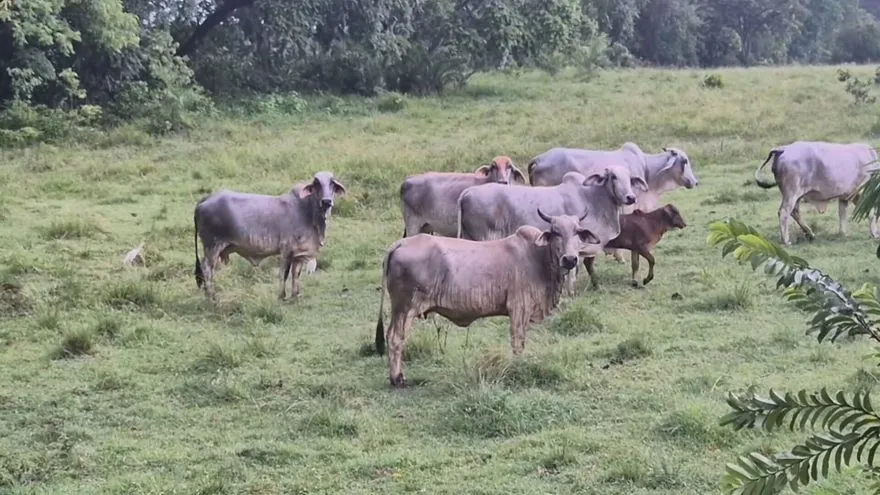
Díaz highlighted that current forecasts are grim for agriculture, especially for cattle ranching, which heavily relies on pasture. "A very strong summer is coming, and the current rainfall pattern is well below normal," he stated, emphasizing the dual challenge of a short rainy season with insufficient precipitation and an impending long, dry summer.
The Dry Arch region is identified as the most vulnerable area. Insufficient rains have depleted farm water sources, leaving streams dry and reservoirs unfilled. While other regions are less critical, water levels in streams have dropped by approximately 60%. Even areas like Chiriquí, the Dry Arch, and Darién, which still have pasture, are struggling to secure adequate water supplies, a problem expected to worsen with the summer heat.
"The formula is food and water," Díaz explained, cautioning that a lack of either will create a crisis. He anticipates a reduction in the supply and availability of food, potentially impacting meat and milk production. While imports might offer some relief, global climate conditions could also affect international markets. Díaz noted that some producers might be forced to sell off their livestock prematurely, a situation reminiscent of the 2015-2016 drought, but potentially more severe this time.
About this summary
Originally published by TVN Panamá in Spanish. Translated, summarized, and contextualized automatically by DistantNews, with a note on how the source frames the story. Not individually reviewed before publishing. How this works.
More Stories

From Our Blog

What Gets Lost (and Found) When News Is Translated

The Critical Role of Diaspora Media in Global News

What Travellers Should Know About Countries with Restricted Press

A Digital Nomad's Guide to Following Local News

How the Same Story Looks Different in Different Countries
