

Panama's artisanal fishers struggle with declining catches due to El Niño
Translated from Spanish and summarized by DistantNews. Read the original for the full story.
At a glance
News
Named sources
Context piece
- Artisanal fishers in Veraguas, Panama, are experiencing reduced catches due to the El Niño phenomenon.
- Changes in species presence and rougher seas are impacting fishing activities.
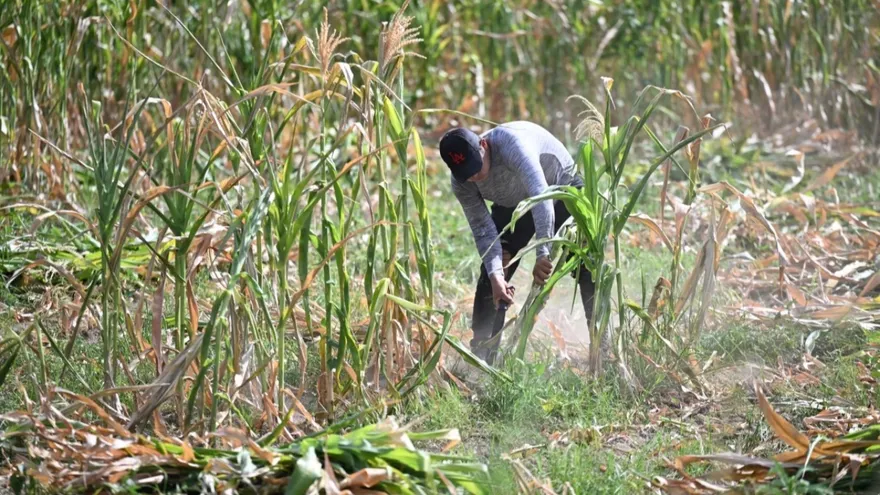
- Fishers are diversifying into agriculture and livestock to supplement their income.
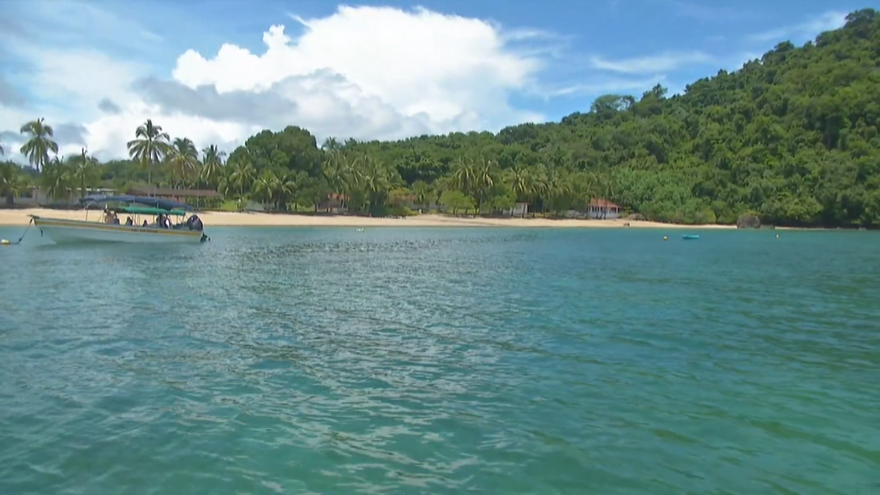
Artisanal fishers along the southern coast of Veraguas province in Panama are facing a significant decline in their catches, attributing the downturn to the intensifying effects of the El Niño phenomenon. The changing climate conditions have altered the presence of fish species, directly impacting the livelihoods of those who depend on the sea for their sustenance.
Paula Serrano, a representative from the Federation of Artisanal Fishers in the Coiba National Park's influence area, explained that the adverse weather conditions, including storms and rough seas, are driving away fish populations. "When the fish disappear, all species disappear. There is a great impact from the storms, the deep seas, and all that implies a drop in products," she stated.
When the fish disappear, all species disappear. There is a great impact from the storms, the deep seas, and all that implies a drop in products.
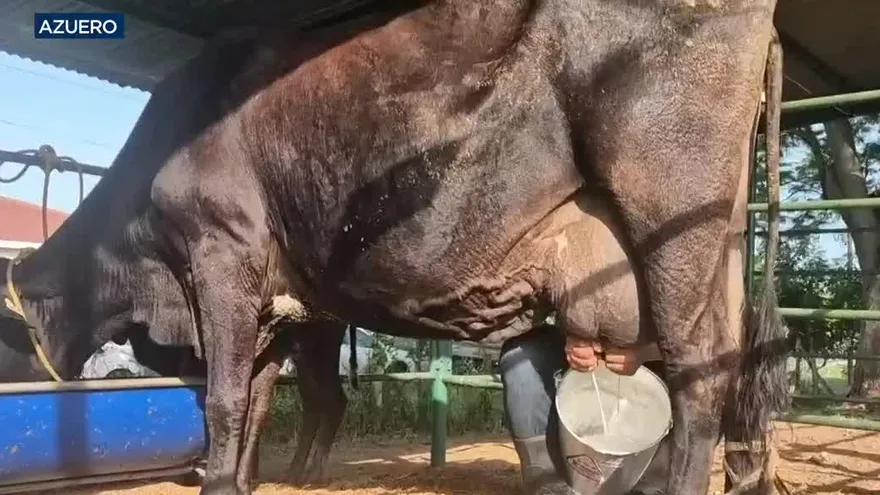
In response to these challenges, fishers are implementing strategies to maximize their efforts during periods of higher production. However, the Federation is also promoting diversification into other economic activities as a crucial alternative. Some communities are turning to agriculture and livestock farming, such as raising poultry, pigs, and cattle, to supplement their income.
Florentina Batista, from the Agrotourism Association of Lagartero, shared her community's approach: "In our association, those of us who don't have fishing equipment dedicate ourselves to agriculture, to raising calves, chickens, and pigs. We complement one thing with another, and the idea is not to stop there, but to explore other ways to survive." The Federation, comprising 14 fishing and tourism associations, sees economic diversification as a key tool for coastal communities navigating climate-induced challenges.
In our association, those of us who don't have fishing equipment dedicate ourselves to agriculture, to raising calves, chickens, and pigs. We complement one thing with another, and the idea is not to stop there, but to explore other ways to survive.
About this summary
Originally published by TVN Panamá in Spanish. Translated, summarized, and contextualized automatically by DistantNews, with a note on how the source frames the story. Not individually reviewed before publishing. How this works.
More Stories


From Our Blog

What Gets Lost (and Found) When News Is Translated

The Critical Role of Diaspora Media in Global News

What Travellers Should Know About Countries with Restricted Press

A Digital Nomad's Guide to Following Local News

How the Same Story Looks Different in Different Countries
