


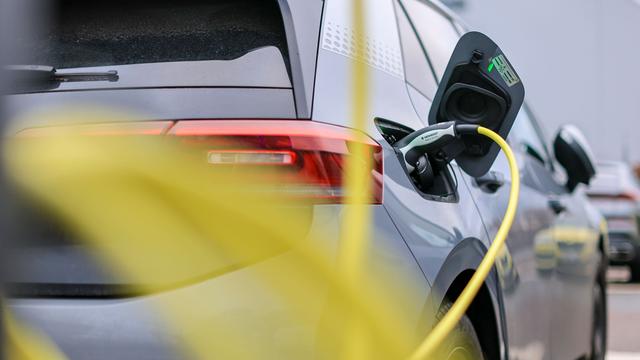
Electric Car Subsidies Increasingly Benefit Low-Income Households in Germany
Translated from German, summarized and contextualized by DistantNews.
At a glance
News
Documents & data
Context piece
- Subsidies for electric cars in Germany are increasingly benefiting households with lower incomes.
- This trend indicates a shift in the accessibility of e-mobility for a broader segment of the population.
- The data suggests that government incentives are effectively reaching and encouraging adoption among those who might otherwise find electric vehicles unaffordable.
Government incentives for electric vehicles in Germany are proving effective in reaching lower-income households, according to recent data. This development signals a positive shift towards making e-mobility more accessible across different economic strata.
Previously, the high cost of electric cars often placed them out of reach for many families. However, the current subsidy programs appear to be successfully bridging this affordability gap. The trend suggests that financial support is playing a crucial role in democratizing access to greener transportation options.
This increased uptake among less affluent households not only supports environmental goals but also addresses social equity concerns. By enabling more people to transition to electric vehicles, Germany is moving closer to its climate targets while ensuring the benefits of new technology are more widely shared.
DistantNews Editorial
Originally published by Die Zeit in German. Translated, summarized, and contextualized by our editorial team with added local perspective. Read our editorial standards.
More Stories



From Our Blog

What Gets Lost (and Found) When News Is Translated

How the Same Story Looks Different in Different Countries

The Critical Role of Diaspora Media in Global News

What Travellers Should Know About Countries with Restricted Press

A Digital Nomad's Guide to Following Local News
