


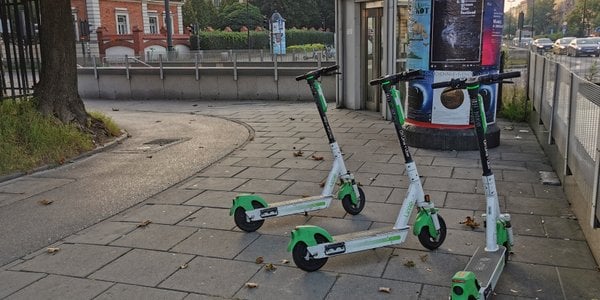
Electric Scooters Face Restrictions as Polish Cities Hit the Brakes Amid Pedestrian Concerns
Translated from Polish, summarized and contextualized by DistantNews.
At a glance
News
Sources not specified
Context piece
- Polish cities are implementing stricter regulations on electric scooters due to increasing accidents and public complaints.
- Measures include speed restrictions in city centers and designated parking zones, often enforced through geofencing technology.
- Authorities are seeking legal changes to better manage privately owned scooters, which pose a challenge beyond operator-controlled fleets.
Cities across Poland are applying the brakes to electric scooters as pedestrian complaints and accident rates rise. The growing popularity of e-scooters has transformed them from a convenient transport option into a source of public disputes over safety and order. Data from the National Police Headquarters shows a significant increase in accidents involving electric scooters, with 1,158 reported last year, a jump of over 50% from 2024's 752 incidents. Most accidents occur during summer months when scooter usage peaks. Experts attribute the rise to increased popularity, insufficient adherence to traffic rules, and speeds not adjusted to road conditions. In response, municipalities are adopting innovative solutions, such as geofencing technology that automatically limits scooter speeds in designated areas like city centers or during events. Some systems can even prevent riders from ending their trips in ways that block sidewalks or automatically disable scooters in restricted zones. Urban planners and traffic engineers emphasize that even the permitted speed of 20 km/h can be too high in crowded urban environments. They highlight that pedestrian safety is a primary goal, noting that higher speeds increase braking distances and reduce reaction times, making collisions more severe. This is particularly critical in areas where pedestrians and scooters share space, such as near schools, public transport stops, parks, and historic city centers. While cities have some control over scooter operators, managing privately owned scooters remains a significant challenge, prompting calls for national legal reforms to enhance pedestrian safety.
Ensuring the safety of vulnerable road users, especially pedestrians, is one of the fundamental goals of traffic management. The pedestrian is the weakest road user and as such is subject to special legal protection.
DistantNews Editorial
Originally published by Rzeczpospolita in Polish. Translated, summarized, and contextualized by our editorial team with added local perspective. Read our editorial standards.
More Stories


From Our Blog

What Gets Lost (and Found) When News Is Translated

The Critical Role of Diaspora Media in Global News

What Travellers Should Know About Countries with Restricted Press

A Digital Nomad's Guide to Following Local News

How the Same Story Looks Different in Different Countries
