


Electricity Bills Soaring? Experts Reveal Habits That Consume the Most Energy at Home
Translated from Spanish, summarized and contextualized by DistantNews.
At a glance
News
Named sources
Context piece
- High temperatures are increasing electricity bills due to increased use of air conditioning and fans, causing concern for many families.
- Experts advise against frequently turning air conditioners on and off, suggesting maintaining a consistent temperature between 21-24 degrees Celsius for inverter models.
- Other significant energy consumers include refrigerators, washing machines, dryers, lighting, and electronics in standby mode, with recommendations to switch to LED bulbs and unplug devices when not in use.
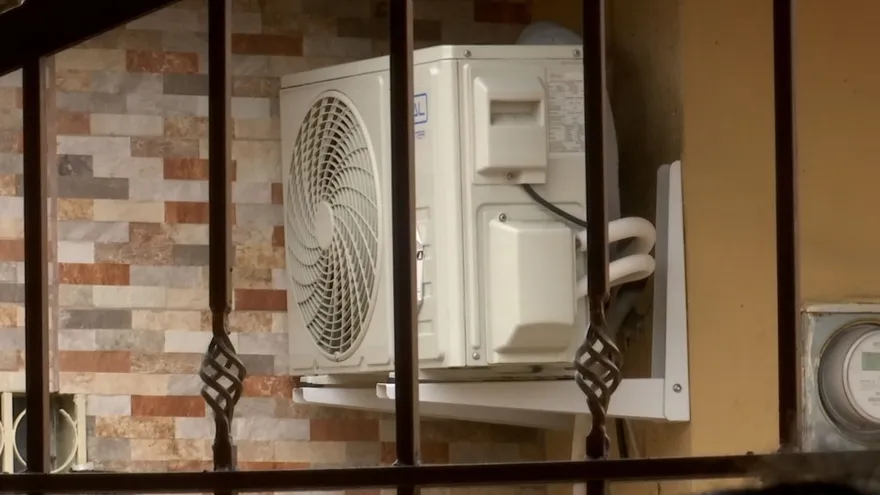
Rising temperatures across the region are leading to a significant increase in household electricity bills, as families rely more heavily on cooling appliances like air conditioners and fans. This surge in energy consumption has become a major concern for many households, prompting experts to offer advice on managing energy use and reducing costs.
With the heat we're having, it was air conditioning all the time, but a few months ago I completely shut them off.
One common practice that experts are advising against is the frequent cycling of air conditioners on and off. Francisco Ortiz, a specialist in industrial safety, explained that this is often a myth regarding energy saving. "It's a myth to turn the air conditioning on and off during several cycles. Savings are seen when the equipment is an inverter and is kept between 21 and 24 degrees Celsius," he stated. For non-inverter models or when consistent temperature is not maintained, this practice can actually increase consumption.
Beyond air conditioning, refrigerators are identified as another major energy drain. Constantly opening and closing the refrigerator door allows warm air to enter, forcing the compressor to work harder to restore the cool temperature. Specialists estimate this habit can increase energy consumption by 10% to 15%. Other appliances contributing significantly to electricity bills include washing machines and dryers (10-15%), lighting (10-12%), and electronics in standby mode (15-25%).
It's a myth to turn the air conditioning on and off during several cycles. Savings are seen when the equipment is an inverter and is kept between 21 and 24 degrees Celsius.
To combat high bills, experts recommend several practical changes. Switching from incandescent bulbs to LED technology can reduce lighting energy consumption by up to 80%. Furthermore, they urge consumers to unplug electronic devices, chargers, and appliances when they are not in use to eliminate "hidden consumption" from standby mode. Using power strips with switches can make it easier to disconnect multiple devices simultaneously. Other simple habits include ironing clothes only once a week and avoiding unnecessary opening of the refrigerator.
This practice can increase energy consumption by between 10% and 15%, depending on how often the refrigerator or freezer door is opened.
DistantNews Editorial
Originally published by TVN Panamá in Spanish. Translated, summarized, and contextualized by our editorial team with added local perspective. Read our editorial standards.
More Stories


From Our Blog

What Gets Lost (and Found) When News Is Translated

The Critical Role of Diaspora Media in Global News

What Travellers Should Know About Countries with Restricted Press

A Digital Nomad's Guide to Following Local News

How the Same Story Looks Different in Different Countries
