


Electricity prices rose late in August and may keep climbing with gas costs
Translated from Estonian and summarized by DistantNews. Read the original for the full story.
At a glance
News
Named sources
Context piece
- Estonia’s average August exchange electricity price fell to 59 euros per megawatt-hour from 77.3 euros a year earlier.
- The lower average reflected limited interconnection capacity with Latvia, which linked Estonia’s price more often to Finland rather than stronger wind and solar output.
- Energy prices may fluctuate sharply this autumn and winter, depending on gas prices, weather and Europe’s ability to refill its gas reserves.
Estonia’s average electricity price was lower in August than a year earlier, but the decline concealed sharp swings between individual days. Prices rose noticeably during the second half of the month, and developments in the gas market may keep electricity prices under pressure.
The monthly average fell from 77.3 euros per megawatt-hour last August to 59 euros this year. That equals a decline from 7.7 cents to 5.9 cents per kilowatt-hour. Marko Allikson of Baltic Energy Partners told ERR that the main reason was not higher wind and solar production.
Instead, limited connection capacity with Latvia meant Estonia’s exchange price matched Finland’s more often than Latvia’s. The result helped lower the average price, even as the market experienced substantial daily jumps.
The lower price was not caused by higher wind and solar production.
Forecasts for the coming autumn and winter remain uncertain. A cold, windless winter would increase reliance on gas and add another source of volatility. Allikson said Europe’s gas storage levels will be especially important, because inadequate supplies would push prices higher.
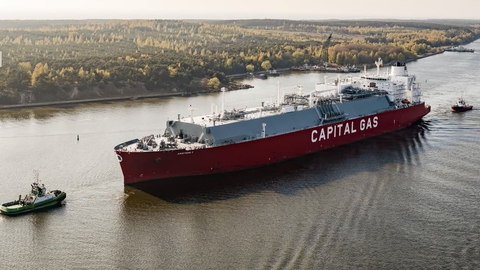
Gas prices above 70 euros per megawatt-hour on the Dutch TTF exchange could also attract more liquefied natural gas to Europe. Asian prices are lower, making European sales more appealing to LNG suppliers, Allikson said.
A cold and windless winter would mean a greater need to use gas.
About this summary
Originally published by Postimees in Estonian. Translated, summarized, and contextualized automatically by DistantNews, with a note on how the source frames the story. Not individually reviewed before publishing. How this works.
More Stories
/nginx/o/2026/01/06/17373756t1h4ab8.jpg)

From Our Blog

What Gets Lost (and Found) When News Is Translated

The Critical Role of Diaspora Media in Global News

What Travellers Should Know About Countries with Restricted Press

A Digital Nomad's Guide to Following Local News

How the Same Story Looks Different in Different Countries
