


Elevators in German Public Transport Frequently Out of Service, Commissioner Reports
Translated from German, summarized and contextualized by DistantNews.
At a glance
News
Named sources
Context piece
- Germany's disabled persons' commissioner reports that elevators in public transport are frequently out of service.
- This lack of reliable accessibility hinders many individuals with disabilities.
- The issue highlights ongoing challenges in ensuring barrier-free public transportation.
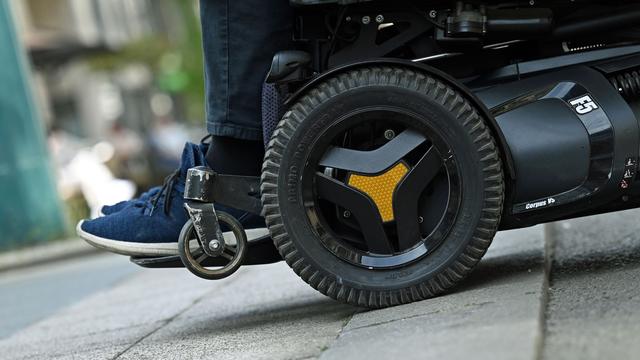
Germany's public transport system faces significant challenges in providing reliable accessibility, particularly concerning elevators. The country's disabled persons' commissioner has highlighted that elevators in public transport facilities are often out of order, creating substantial obstacles for individuals with disabilities.
This widespread issue means that many people who rely on elevators for mobility are frequently unable to access trains, trams, or buses. The unreliability of these essential facilities undermines efforts to create an inclusive public transportation network. For those with physical impairments, the failure of elevators can mean the difference between being able to travel independently or being stranded.
The commissioner's statement underscores a persistent problem that affects a significant portion of the population. While regulations may mandate accessibility, the practical implementation and ongoing maintenance of these features appear to be falling short in many locations across Germany. This situation calls for improved oversight and investment to ensure that public transport is truly accessible to all.
The ongoing challenges with elevator functionality point to a broader need for consistent attention to the needs of disabled passengers. Ensuring that public transport is barrier-free requires not only the installation of accessible infrastructure but also its dependable operation. Without reliable elevators, the promise of accessible public transportation remains unfulfilled for many.
DistantNews Editorial
Originally published by Die Zeit in German. Translated, summarized, and contextualized by our editorial team with added local perspective. Read our editorial standards.
More Stories



From Our Blog

What Gets Lost (and Found) When News Is Translated

How the Same Story Looks Different in Different Countries

The Critical Role of Diaspora Media in Global News

What Travellers Should Know About Countries with Restricted Press

A Digital Nomad's Guide to Following Local News
