

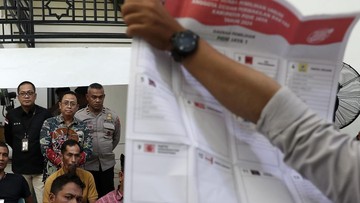

Empty Seats and Mobile Games: Majalengka DPRD Plenary Session Highlights Poor Attendance
Translated from Indonesian and summarized by DistantNews. Read the original for the full story.
At a glance
News
Named sources
Context piece
- A plenary meeting at the Majalengka DPRD was marked by numerous empty seats, with only 34 out of 49 members attending.
- Several attendees were observed using their mobile phones, including playing games, during the session.
- The meeting proceeded despite the low attendance to discuss three draft regional regulations.
The recent plenary session of the Majalengka Regional People's Representative Council (DPRD) has highlighted a concerning trend of absenteeism and disengagement among elected officials. The session, intended to deliberate on three crucial draft regional regulations, was notably sparse, with a significant number of legislators absent without clear explanation.
This lack of attendance not only undermines the democratic process but also raises questions about the commitment of these representatives to their constituents. The situation is further exacerbated by the visible distraction of some attendees, who were engrossed in their mobile phones, playing games or engaging in other non-official activities during the proceedings. Such behavior is disrespectful to the legislative process and the public they are meant to serve.
While the DPRD Chairman, Didi Supriadi, claimed ignorance of the phone usage and stated no reports were filed regarding absences, this response is insufficient. The public deserves transparency and accountability from their elected officials. The presence of more executive officials than legislators in the session underscores the severity of the problem. The three draft regulations on alcohol control, family resilience, and construction services, though important, were discussed in an environment that lacked the full participation and focus expected of a legislative body.
There has been no notification.
About this summary
Originally published by Republika in Indonesian. Translated, summarized, and contextualized automatically by DistantNews, with a note on how the source frames the story. Not individually reviewed before publishing. How this works.
More Stories


From Our Blog

News in Translation: What Gets Lost, and How We Keep the Framing

Diaspora Media: How Communities Abroad Follow Home

Traveling Where the Press Is Not Free: How to Read the News There

The Digital Nomad's Guide to Local News

The Same Story, Different Countries: How Coverage Changes at the Border
