

Energy Crisis: Europe Faces Challenges, Germany and Italy Roll Out Support Measures
Translated from Hungarian, summarized and contextualized by DistantNews.
TLDR
- European nations are implementing measures to mitigate the impact of the energy crisis, with varying approaches.
- Germany is considering direct financial support for households unable to pay energy bills and tax reductions for commercial vehicles.
- Italy has allocated a significant €3 billion package to support energy-intensive companies and reduce fuel prices through excise tax cuts.
Europe is grappling with an unprecedented energy crisis, and national responses are varied, reflecting different economic capacities and political priorities. In Germany, the government is exploring a multi-pronged strategy to cushion the blow for its citizens and businesses. Proposals include direct financial aid for households struggling with soaring energy bills, a move that acknowledges the severe strain on ordinary Germans. Additionally, measures like reducing vehicle taxes for commercial vehicles and increasing tax benefits for commuters aim to alleviate broader economic pressures. The focus on home insulation support for homeowners further signals a commitment to long-term energy efficiency, even amidst the immediate crisis.
Those who can no longer afford to pay their energy bills may receive direct financial support.
Meanwhile, Italy has opted for a more substantial fiscal intervention. Prime Minister Giorgia Meloni's government has unveiled a €3 billion package designed to provide significant relief. This substantial sum is earmarked for two key areas: bolstering energy-intensive industries that are crucial to the Italian economy and lowering fuel costs for consumers and businesses. Italy's decision to slash fuel excise duties by 25 cents per liter, mirroring actions taken elsewhere, is a swift measure to combat rising prices. Furthermore, transport companies are set to receive tax credits, a targeted approach to prevent the increased costs from being passed directly onto consumers.
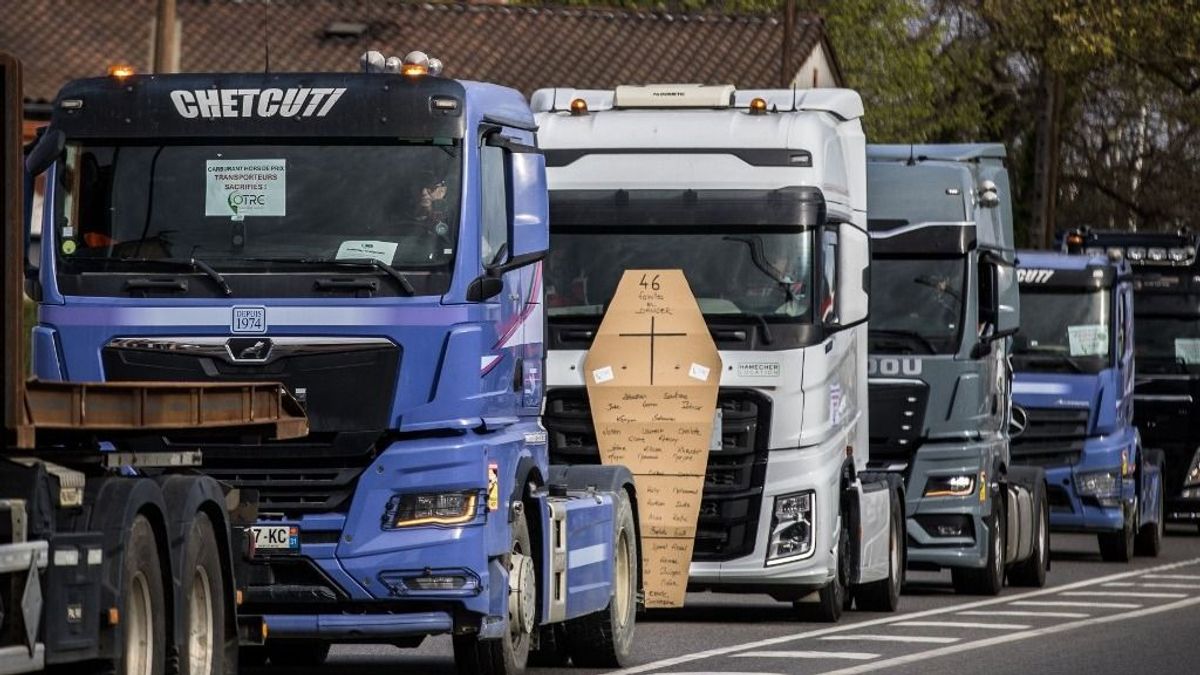
In addition, the government would reduce vehicle taxes for commercial vehicles, such as trucks and vans, and increase the tax credit for commuters.
The strategy of reducing fuel excise taxes has emerged as a rapid and widely adopted tool across Europe. Countries like Greece and Austria have also implemented similar measures. However, the effectiveness of this approach hinges on whether the tax reductions translate into actual price drops at the pump, rather than being absorbed by energy companies. This concern is prompting some governments to consider stricter oversight. From a European perspective, these diverse national responses highlight the complex challenge of navigating the energy crisis. While Germany focuses on a mix of immediate relief and efficiency, Italy is deploying larger financial resources. The common thread is the urgent need to stabilize energy markets and protect economies, but the varying scales and methods underscore the difficulty of a unified European solution.
Homeowners could also apply for support for thermal insulation to reduce oil and gas consumption.
DistantNews Editorial
Originally published by Magyar Nemzet in Hungarian. Translated, summarized, and contextualized by our editorial team with added local perspective. Read our editorial standards.
More Stories

From Our Blog

Countries Without a Free Press: What You Need to Know

What Press Freedom Means for the News You Read

What Gets Lost (and Found) When News Is Translated

The Critical Role of Diaspora Media in Global News

What Travellers Should Know About Countries with Restricted Press
