


Enforcement of land laws needs strengthening
Translated from Malay, summarized and contextualized by DistantNews.
At a glance
Analysis
Official statement
Context piece
- Kajang Municipal Council demolished an illegal Rohingya refugee settlement in Hulu Langat, Selangor.
- The settlement was built without valid approvals and on government reserve land, with illegal utility connections.
- The incident highlights the need for stronger land laws, development control, and enforcement, while balancing humanitarian concerns with national interests.
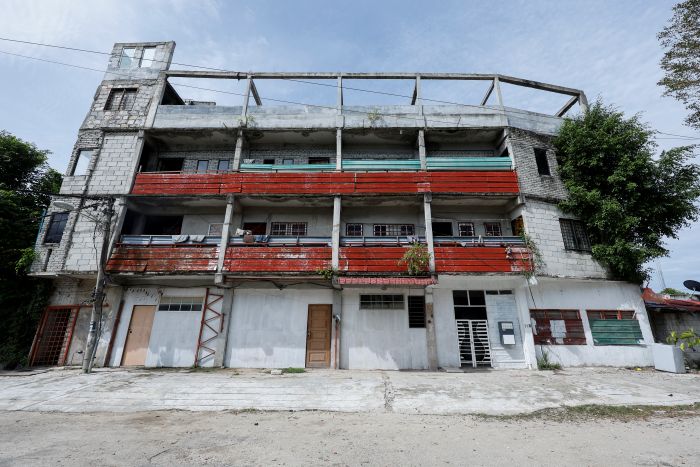
The demolition of an illegal Rohingya refugee settlement in Sungai Tekali, Hulu Langat, by the Kajang Municipal Council (MPKj) has sparked a broader discussion on land law compliance, development control, and enforcement effectiveness. Authorities stated the structures were erected without valid plan approvals and occupied government reserve land, with further violations including unauthorized utility connections.
Concerns have been raised about the scale of the settlement, which reportedly operated for several years, questioning the efficacy of monitoring illegal developments, especially those housing hundreds of residents and requiring basic services like water, electricity, and road access. This situation also reveals how some parties exploit such opportunities to build and rent out dwellings without adhering to land use regulations or safety standards, putting residents at risk of fires, sanitation issues, structural damage, and public health threats.
The existence of unrecorded settlements complicates resident monitoring and emergency management. In crises like disasters or disease outbreaks, authorities may struggle to ascertain the exact number of inhabitants, hindering efficient aid and rescue operations. While addressing refugee issues requires a balanced approach considering humanitarian needs and national interests, humanitarian aspects cannot justify legal violations.
Strict enforcement against illegally constructed buildings is crucial to preserve land administration systems, urban planning, and public safety. Particular attention should be given to holding accountable those who profit from illegal developments. Landowners or developers constructing and renting out structures without permission must be held responsible under the law. Failure to act decisively risks encouraging further illegal construction in the future.
DistantNews Editorial
Originally published by Utusan Malaysia in Malay. Translated, summarized, and contextualized by our editorial team with added local perspective. Read our editorial standards.
More Stories



From Our Blog

What Gets Lost (and Found) When News Is Translated

The Critical Role of Diaspora Media in Global News

What Travellers Should Know About Countries with Restricted Press

A Digital Nomad's Guide to Following Local News

How the Same Story Looks Different in Different Countries
