


England Faces Historic Drought as July Rainfall Plummets to 7%
Translated from Greek, summarized and contextualized by DistantNews.
At a glance
News
Official statement
Ongoing story
- England is experiencing its driest July on record, with rainfall at just 7% of the historical average.
- Over half the country is now in a state of drought, impacting river levels, agriculture, and water consumption.
- The prolonged dry spell follows the hottest June on record and raises concerns about environmental and economic consequences.
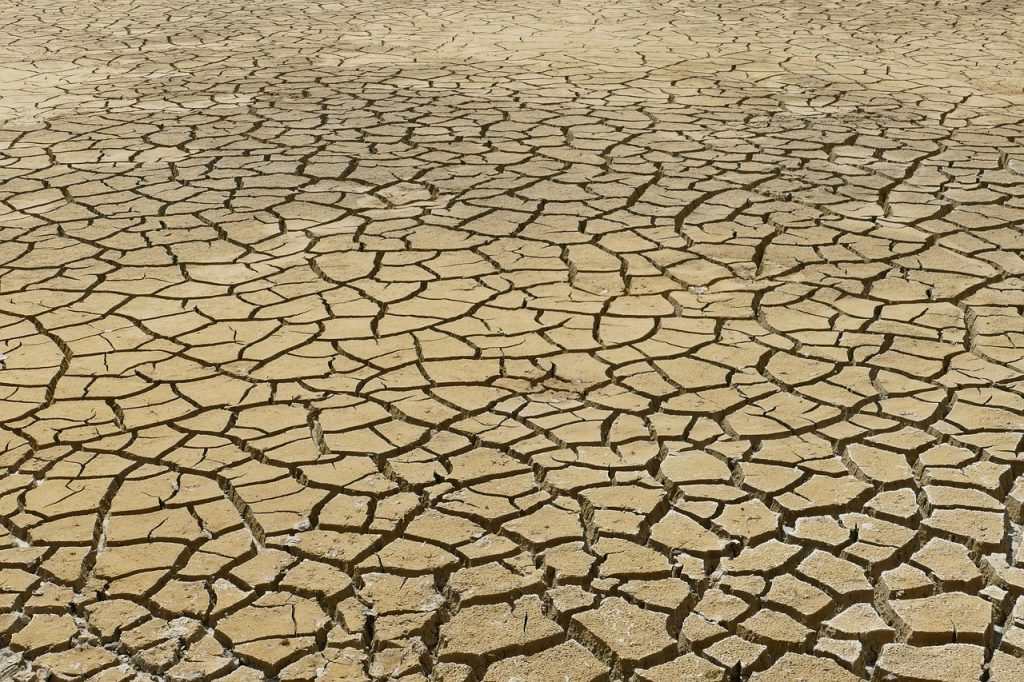
England faces a historic drought as July recorded the lowest rainfall in history, with precipitation levels at a mere 7% of the usual amount. This severe dry spell has rapidly developed due to exceptionally low rainfall combined with high temperatures, leading to significant water shortages across the nation.
Large swathes of central, eastern, and southern England are now officially in drought. Areas including East Anglia, Hertfordshire, Greater London, the Thames Valley, Hampshire, the Isle of Wight, Devon, Cornwall, and the West Midlands are particularly affected. Another third of the country is experiencing prolonged drought conditions. River and stream levels are dropping, farmers are forced into early harvests, and the risk of wildfires is increasing, prompting widespread water consumption restrictions for millions.
Helen Wakeham, Director of Water at the Environment Agency, described the situation as critical, stating, "We are currently using water faster than nature can replenish it." She highlighted that this is the second consecutive drought wave, following one in 2025, creating an "extremely serious situation" with long-lasting environmental, wildlife, and economic repercussions.
Water companies are urged to accelerate leak repairs in their networks. This extreme weather follows a record-breaking hot June, which saw temperatures soar and caused disruptions to schools and transportation. The national meteorological service recorded a new high of 38°C on June 26 in east England. England has endured three consecutive heatwaves since May, with a fourth currently unfolding.
we are currently using water faster than nature can replenish it. The second consecutive wave of drought (after the wave of 2025) creates an extremely serious situation, which will have lasting consequences for our environment, our fauna and the economy.
DistantNews Editorial
Originally published by Ta Nea in Greek. Translated, summarized, and contextualized by our editorial team with added local perspective. Read our editorial standards.
More Stories


From Our Blog

What Gets Lost (and Found) When News Is Translated

The Critical Role of Diaspora Media in Global News

What Travellers Should Know About Countries with Restricted Press

A Digital Nomad's Guide to Following Local News

How the Same Story Looks Different in Different Countries
