

England's rarest moth rediscovered after 70-year absence
Translated from English and summarized by DistantNews. Read the original for the full story.
At a glance
News
Sources not specified
Outcome reported
- Conservationists rediscovered a breeding colony of the dark bordered beauty moth at Northumberland's Wallington Estate, a species last recorded there in 1952.
- Dr. Dave Wainwright, a senior conservation scientist, found the moth just 10 minutes into a survey of the restored habitat, calling it a career highlight.
- This discovery offers a vital boost for the species, which was at serious risk of extinction in England, with its only other known stronghold in North Yorkshire facing significant population decline and habitat pressures.
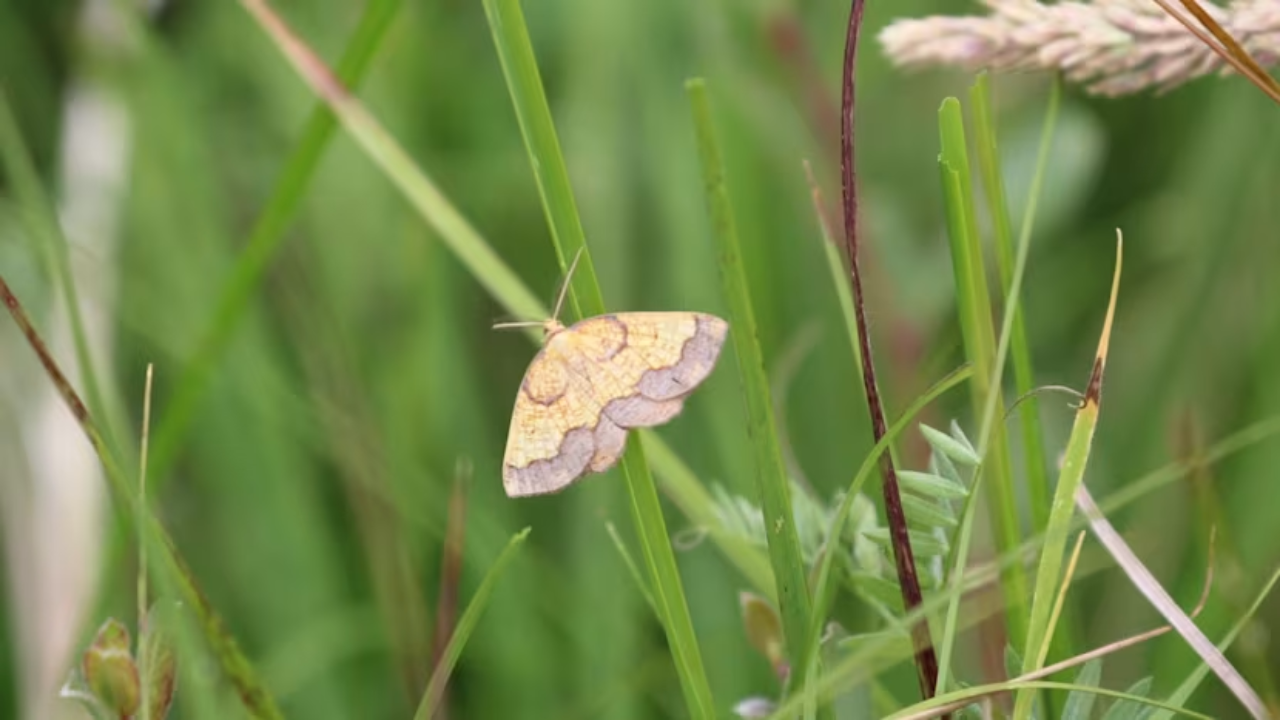
In a remarkable find for conservationists, one of England's rarest moths has been rediscovered at a Northumberland estate, a site where it had not been seen for over 70 years. A breeding colony of the dark bordered beauty moth (Epione vespertaria) was found at the National Trust's Wallington Estate near Morpeth, marking a significant moment for a species once on the brink of disappearing from England.
Dr. Dave Wainwright, a senior conservation scientist with Butterfly Conservation, made the discovery just 10 minutes into a survey of the restored habitat. The day-flying moth, known for its distinctive custard and chocolate-colored wings, was last recorded at Wallington in 1952. Dr. Wainwright, who had previously surveyed the estate in 2004 without success, noted that the land was not suitable for the moth at that time due to heavy grazing.
I looked at that site in 2004 and it was quite heavily grazed and wasn't in the right condition for dark bordered beauty. This time the site looked a hell of a lot better – really lush vegetation with lots of wildflowers.
"This time the site looked a hell of a lot better – really lush vegetation with lots of wildflowers," Wainwright told ITV News. Despite careful preparation for the survey, he expressed surprise at the speed of the discovery. "I was hopeful – I'm always hopeful – but I definitely didn't expect it because I've been to so many sites to look for this species over the years, so my heart and my head were in two different places," he said.
I was hopeful – I'm always hopeful – but I definitely didn't expect it because I've been to so many sites to look for this species over the years, so my heart and my head were in two different places.
Before this rediscovery, Strensall Common in North Yorkshire was considered the only remaining population of dark bordered beauty moths in England. However, this population has faced a sharp decline over the past two decades, with surveys now recording numbers barely in the double figures, down from hundreds. The Yorkshire Wildlife Trust and Ministry of Defence-managed reserve is also grappling with changing weather patterns, including long summer droughts and a wildfire last year, pushing the moth closer to local extinction.
The return of the dark bordered beauty moth to Wallington offers a glimmer of hope, not only for the species itself but also for the potential to find other hidden insect populations through dedicated habitat restoration efforts. While small populations still exist in Scotland, the English population's near-total dependence on the vulnerable North Yorkshire site made this Northumberland discovery particularly crucial.
Overwhelmingly it was just a feeling of relief that we weren't just fighting the fight at one site any more.
About this summary
Originally published by Times of India in English. Translated, summarized, and contextualized automatically by DistantNews, with a note on how the source frames the story. Not individually reviewed before publishing. How this works.
More Stories



From Our Blog

What Press Freedom Means for the News You Read

What Gets Lost (and Found) When News Is Translated

The Critical Role of Diaspora Media in Global News

What Travellers Should Know About Countries with Restricted Press

A Digital Nomad's Guide to Following Local News
