


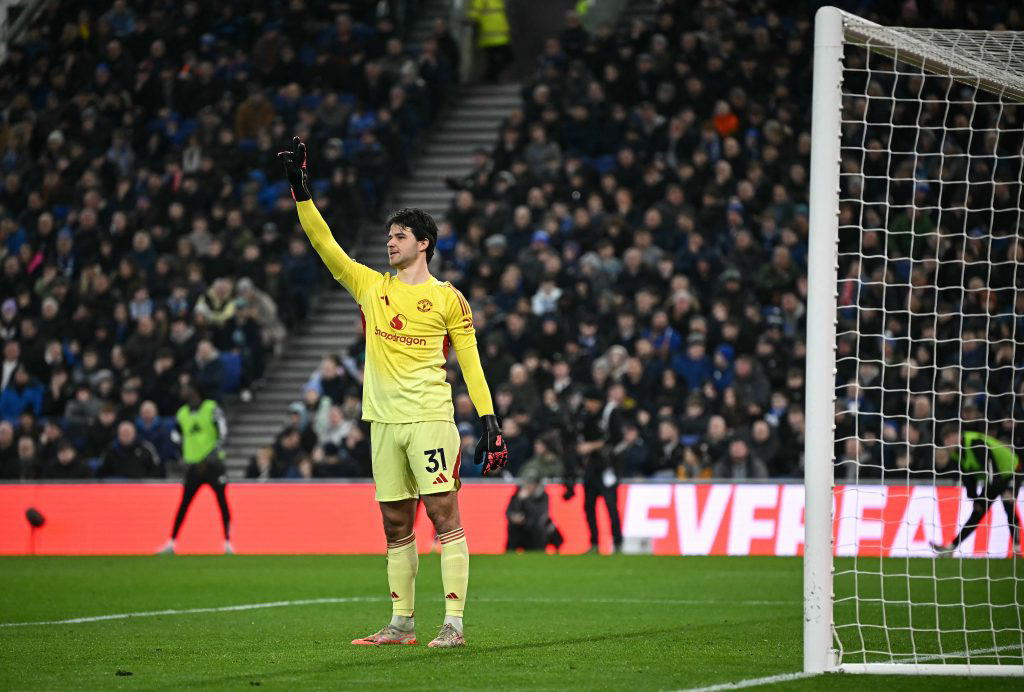
English football to trial rule against goalkeeper tactical timeouts
Translated from English, summarized and contextualized by DistantNews.
At a glance
News
Sources not specified
New plan
- English football will trial a new rule to prevent goalkeepers from using injury stoppages for tactical timeouts.
- Teams may have to play with 10 men for one minute if a goalkeeper receives treatment after a stoppage.
- The trial, pending IFAB approval, aims to deter teams from feigning injuries to disrupt opponents or gain tactical advantages.
English football is set to trial a new rule designed to curb goalkeepers' use of injury stoppages as tactical timeouts. Under the proposed measure, if a referee allows a goalkeeper to receive treatment, the coach must nominate an outfield player to leave the pitch for one minute. Failure to do so within 10 seconds will require the captain to exit the field.
The trial, agreed upon by the Football Association, Premier League, English Football League, National League, and Women's Super League, awaits approval from the International Football Association Board (IFAB). It could begin with a Carabao Cup match on August 1.
This initiative addresses growing concerns about goalkeepers feigning or exaggerating injuries to halt play, disrupt momentum, or allow coaches to deliver tactical instructions. The practice has drawn criticism, especially when goalkeepers go down late in matches while their teams are protecting a lead.
While players can still gather near the touchline during a stoppage, the prospect of playing temporarily with 10 men is intended to discourage tactical advantages gained through goalkeeper injuries. Exemptions exist for situations where a goalkeeper does not need treatment, collides with a teammate, is fouled, or is bleeding. The rule will not apply to serious injuries requiring substitution or suspected concussions.
The proposed trial follows IFAB's decision to invite competitions to test solutions, rather than immediately changing the Laws of the Game. IFAB's head of referees, Pierluigi Collina, had previously identified this practice as an issue needing attention.
DistantNews Editorial
Originally published by Vanguard in English. Translated, summarized, and contextualized by our editorial team with added local perspective. Read our editorial standards.
More Stories



From Our Blog

How the Same Story Looks Different in Different Countries

What Gets Lost (and Found) When News Is Translated

The Critical Role of Diaspora Media in Global News

What Travellers Should Know About Countries with Restricted Press

A Digital Nomad's Guide to Following Local News
