

Erdoğan uses NATO summit to showcase Turkey's growing arms industry
Translated from German, summarized and contextualized by DistantNews.
At a glance
Analysis
Named sources
Context piece
- Turkish President Recep Tayyip Erdoğan is leveraging the NATO summit to highlight Turkey's growing status as a weapons producer.
- Turkey has transformed from an import-dependent nation to the world's eleventh-largest arms exporter over the past two decades.
- The country is developing advanced military technology, including fifth-generation fighter jets and AI-powered drones, increasing its strategic importance within NATO.
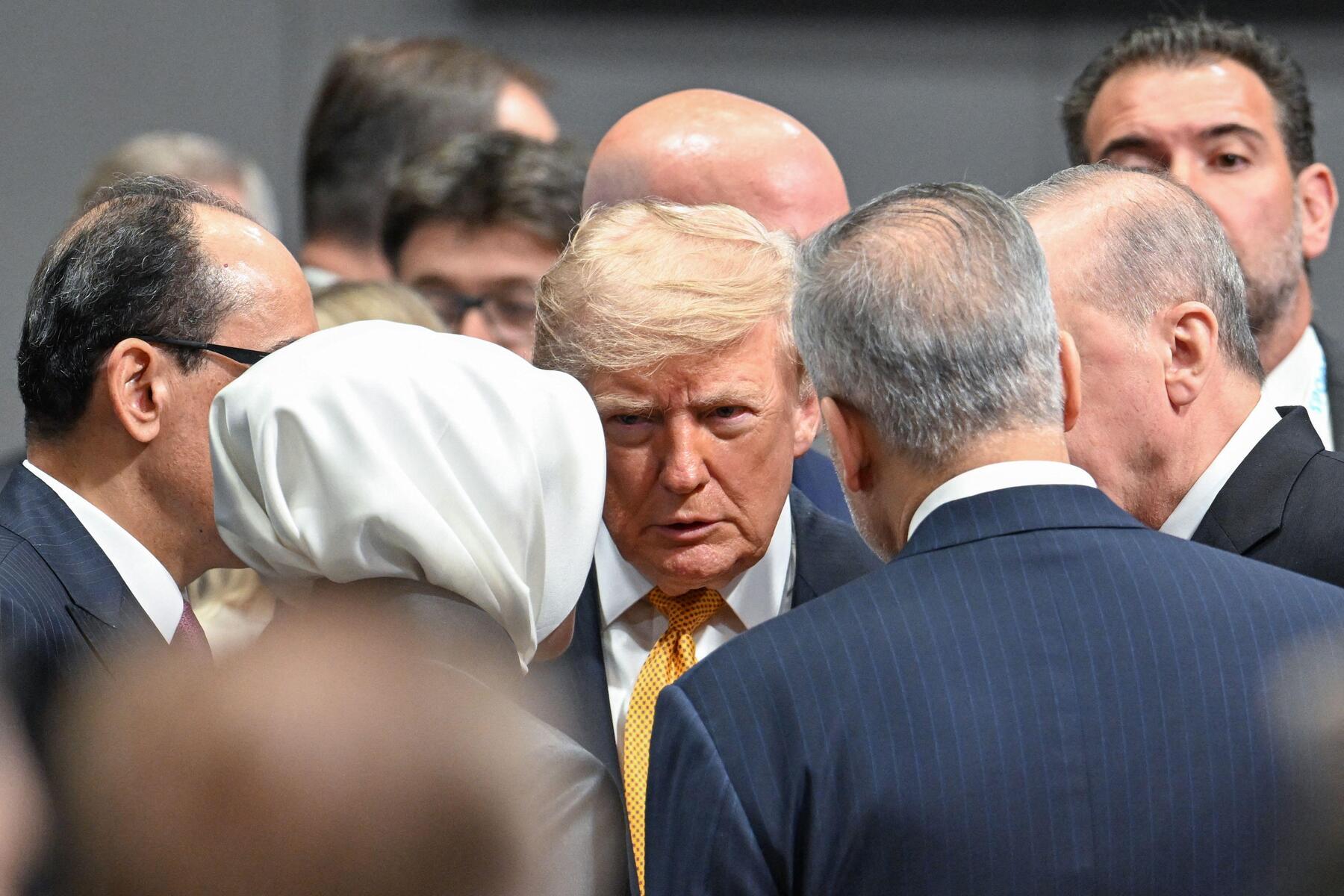
Turkish President Recep Tayyip Erdoğan is using the NATO summit not just as a platform to project his power, but also to underscore Turkey's significant advancements as a weapons producer. In an era where NATO is prioritizing rearmament, Turkey stands out among its allies for its rapid transformation over the last two decades, evolving from a country heavily reliant on imports to a notable arms exporter.
According to the Stockholm International Peace Research Institute, Turkey now ranks as the eleventh-largest arms exporter globally. This rise in military production and export capability significantly enhances Turkey's strategic value within the alliance. Political scientist Diğdem Soyaltın Colella notes that Turkey is expected to emphasize this growing importance at the NATO summit.
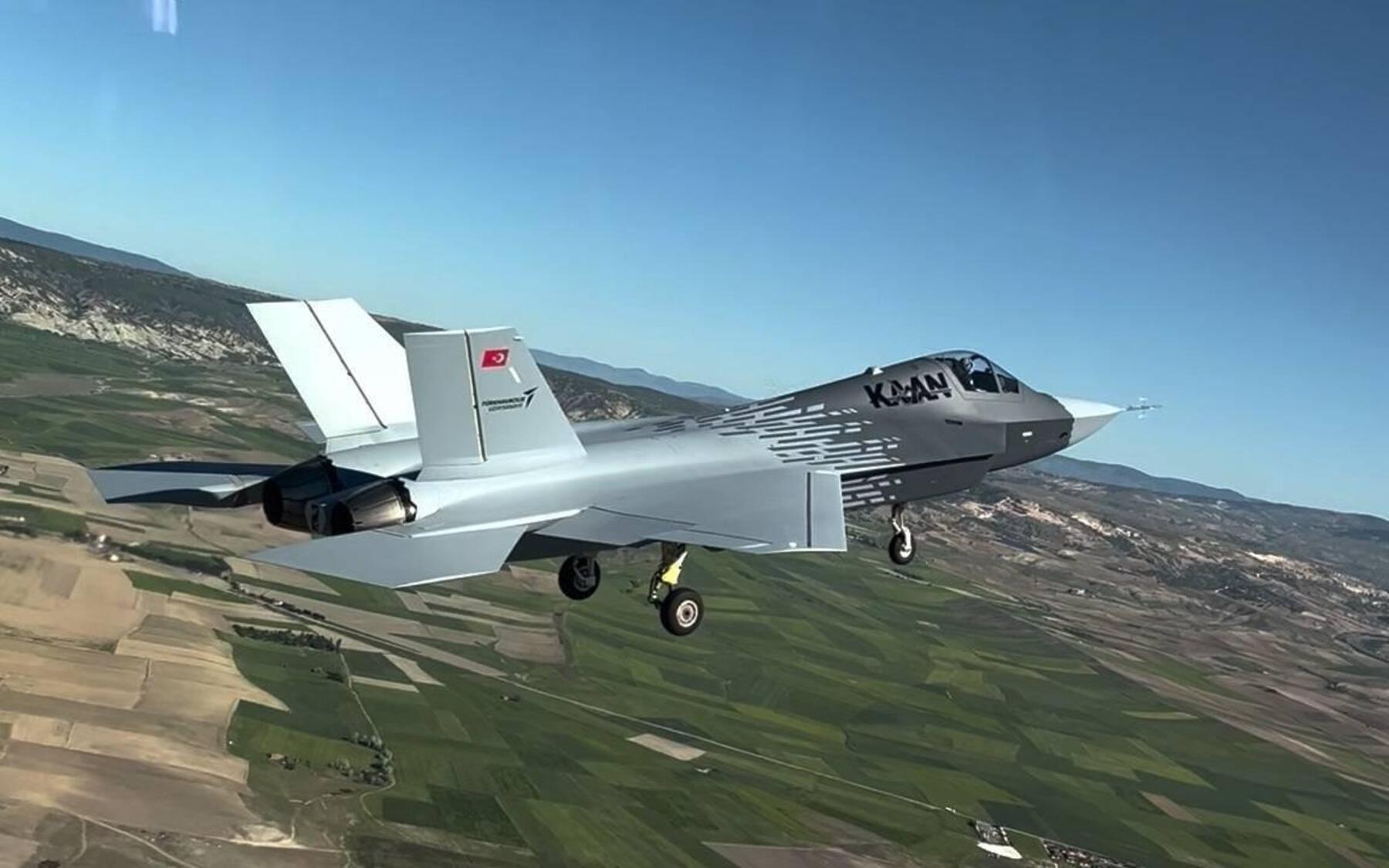
Turkey is among a select group of nations capable of producing indigenous fighter jets, with its fifth-generation Kaan jet having completed its first flight. The long-term goal is for the Kaan to eventually replace the U.S.-made F-16 fleet. However, this transition will take time, particularly as the software requires extensive adaptation for combat missions. Soyaltın suggests Turkey is pursuing a dual strategy, not anticipating an immediate replacement of the F-16s. Concurrently, Ankara recently finalized a $23 billion deal with Washington to modernize its existing F-16 fleet.
The U.S. had previously excluded Turkey from the F-35 fighter jet program after Ankara's purchase of Russian air defense missiles. However, there are indications that U.S. President Donald Trump might consider Turkey's re-entry into the program during the NATO summit. These multi-role fighter jets would complement, rather than replace, the Kaan series in the Turkish fleet.
Turkish drones have proven effective in recent conflicts, such as those in Ukraine and Armenia. Their lower cost compared to Western alternatives and the absence of restrictive conditions often attached to European or American purchases make them attractive. Soyaltın highlights that drone production enhances Turkey's influence, as acquiring foreign systems often creates dependencies for spare parts, training, and software support. Turkey is also investing in AI-driven drones and exploring swarm technology, exemplified by the Kemankeș cruise missile, which was successfully targeted by a Bayraktar TB2 drone. The development of unmanned combat aircraft like the Kızılelma is ongoing, with the war in Ukraine further accelerating the focus on autonomous systems.
DistantNews Editorial
Originally published by Die Presse in German. Translated, summarized, and contextualized by our editorial team with added local perspective. Read our editorial standards.
More Stories

From Our Blog

What Gets Lost (and Found) When News Is Translated

The Critical Role of Diaspora Media in Global News

What Travellers Should Know About Countries with Restricted Press

A Digital Nomad's Guide to Following Local News

How the Same Story Looks Different in Different Countries
