

EsSalud: What to do if a person is injured during an earthquake
Translated from Spanish, summarized and contextualized by DistantNews.
At a glance
Explainer
Named sources
Context piece
- EsSalud advises on basic first-aid steps for earthquake victims in Peru.
- Common injuries include fractures, wounds, and contusions from falling debris.
- Emergency kits with medical supplies and essential items are recommended for preparedness.
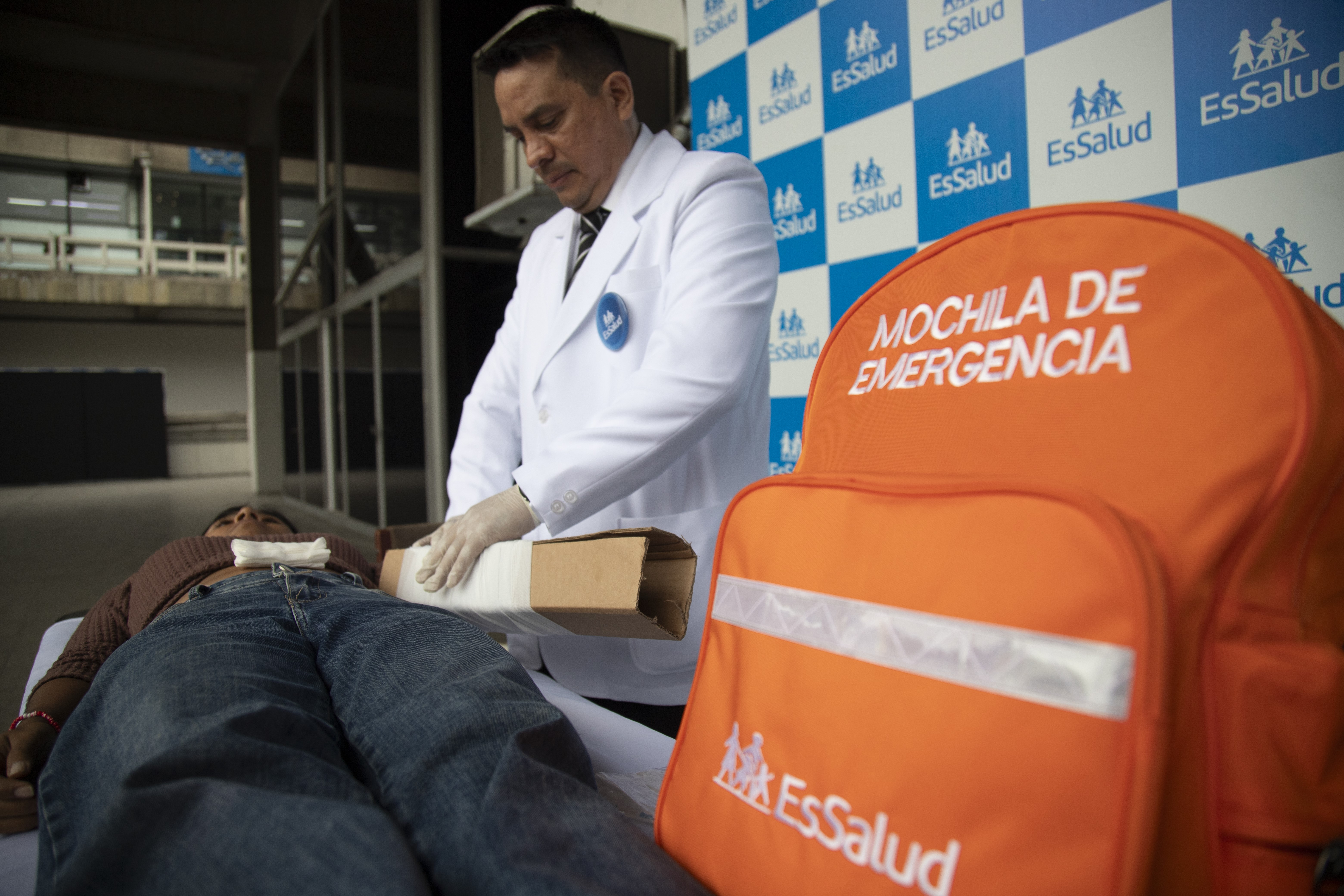
In the event of an earthquake, basic first-aid knowledge can be critical for assisting injured individuals while emergency services are en route, according to Jorge Pareja, a doctor with EsSalud's Emergency Service. Earthquakes frequently result in injuries such as fractures, wounds, and bruises caused by falling objects or collapsing structures. Pareja stressed the importance of families being prepared with emergency kits and understanding fundamental aid techniques. Essential supplies for these kits include bandages, gauze, cotton, and any necessary personal medications. The kits should also contain potable water, non-perishable food, a flashlight, batteries, a whistle, and a portable radio to sustain individuals for the initial 24 to 48 hours post-disaster, when specialized help might be delayed. For individuals with chronic conditions like hypertension or diabetes, ensuring their medications are accessible within the emergency kit is vital to prevent treatment interruptions if they become isolated. Pareja provided specific guidance for treating bleeding: apply direct pressure to the wound with a clean gauze for at least 10 minutes. If the gauze becomes saturated, do not remove it; instead, place another layer on top and continue applying pressure until bleeding is controlled. Suspected fractures require immobilization without attempting to reset the bone. The affected limb should be secured with materials like cardboard and bandages, awaiting professional help from firefighters or specialized personnel trained to transport patients safely. Beyond physical care, providing emotional support is also crucial. Maintaining a calm demeanor, speaking reassuringly, and conveying confidence can help reduce panic in injured individuals. Simple phrases like "We are here to help you" or "Emergency teams are on their way" can significantly alleviate anxiety. The specialist concluded by emphasizing prevention, stating that the best way to face an earthquake is through preparedness, including having an emergency kit, knowing basic first aid, and remaining calm.
DistantNews Editorial
Originally published by La República in Spanish. Translated, summarized, and contextualized by our editorial team with added local perspective. Read our editorial standards.
More Stories
From Our Blog

What Gets Lost (and Found) When News Is Translated

The Critical Role of Diaspora Media in Global News

What Travellers Should Know About Countries with Restricted Press

A Digital Nomad's Guide to Following Local News

How the Same Story Looks Different in Different Countries
