

Ethiopia: Tigray faces renewed war threat amid government restrictions and political deadlock
Translated from Finnish, summarized and contextualized by DistantNews.
At a glance
News
Named sources
Ongoing story
- Ethiopia faces the threat of renewed war in the Tigray region, less than four years after a devastating previous conflict.
- The central government has imposed severe restrictions on fuel, medicine, and funding to Tigray, crippling public services.
- Tensions are high as Tigray's regional parliament has reinstated its leader, whom the Ethiopian government does not recognize, raising fears of wider regional instability.
The shadow of war is darkening daily in Ethiopia's Tigray region, with its external relations head Addis Alem Balema describing the situation from a blackout-stricken area as "ten months of strangulation."
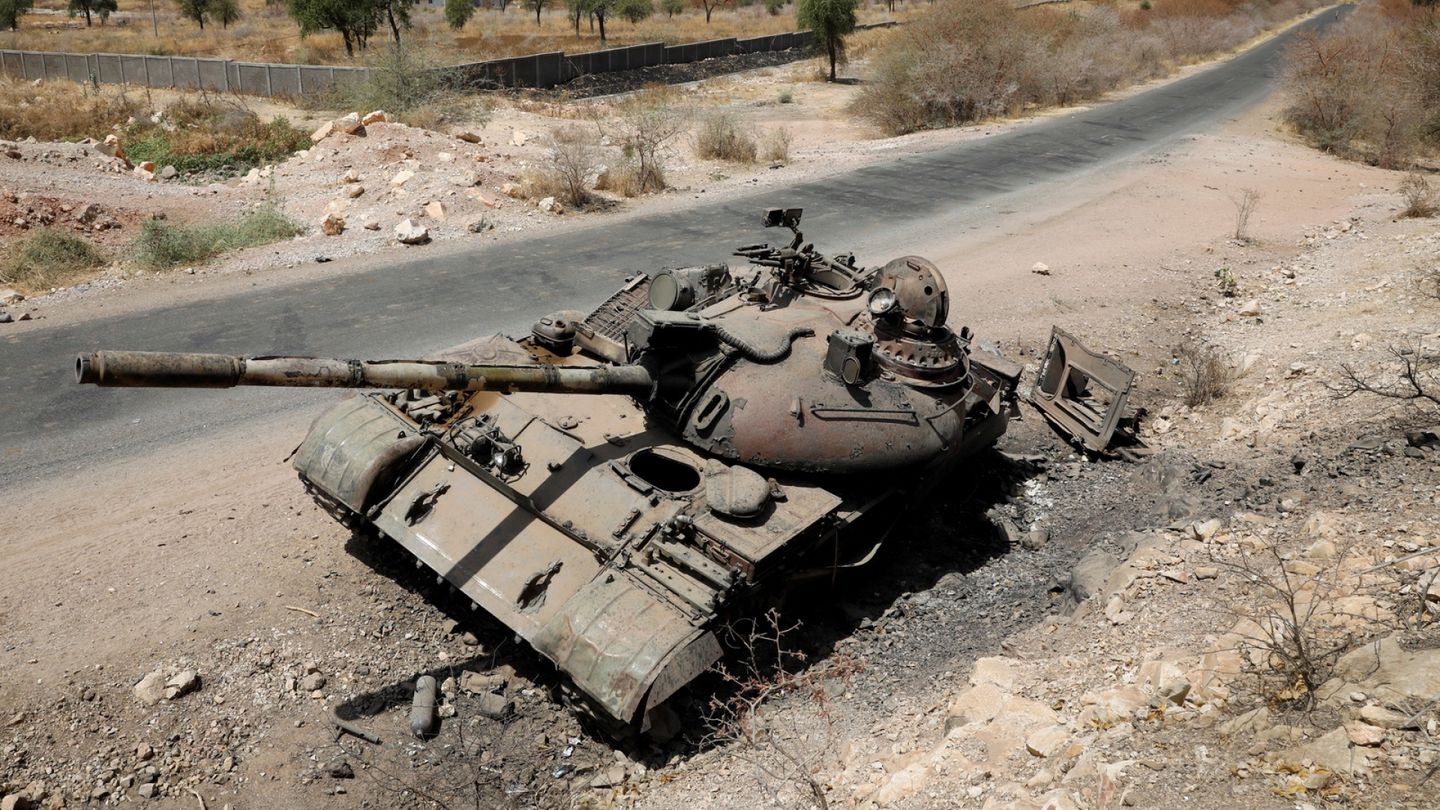
The Ethiopian federal government has cut off fuel, medicine, and funding to the northern state. Public sector employees have not received salaries in months, exacerbating the humanitarian crisis. Tigray is now on the brink of another war against the central government, less than four years after a previous two-year civil war concluded in late 2022. That conflict resulted in hundreds of thousands of deaths and widespread systematic atrocities, yet received relatively little international attention.
Recent fighting has spilled over the border, with hundreds fleeing Tigray into Sudan. Bodies of Tigrayan fighters have been recovered from a border river, according to a hospital source in Sudan speaking to AFP. Despite these clashes, Tigrayan forces reportedly repelled an advance by the Ethiopian army, an attack an expert called a "heavy miscalculation" by the Ethiopian government.
The main parties in the conflict are the federal government led by Prime Minister Abiy Ahmed and the Tigray People's Liberation Front (TPLF), which functions as both a political party and an armed group. During the war, the TPLF was supported by the armed forces of neighboring Eritrea and the Ethiopian states of Amhara and Afar. A transitional administration was established in Tigray under the peace agreement but has since been ousted. In the spring, the TPLF reactivated the regional parliament, which appointed long-time party chairman Debretsion Gebremichael as Tigray's leader, a position he held when the war began.
The Ethiopian government does not recognize Gebremichael's leadership. However, media reports suggest the TPLF-led administration in the capital, Mekelle, has been in effective control since last year. Addis Alem Balema cites several reasons for Gebremichael's reinstatement, viewing them as breaches of the peace agreement by the central government: Prime Minister Abiy Ahmed's attempt to control appointments, the continued ban on the TPLF as a political party, and the failure to withdraw external armed forces from Tigray. Balema states the TPLF controls about half of Tigray, primarily in the east, while the west remains occupied by Ethiopian soldiers and Amhara forces who claim parts of Tigray as their own. Approximately one million internally displaced Tigrayans still reside in camps.
Ten months of strangulation.
DistantNews Editorial
Originally published by Helsingin Sanomat in Finnish. Translated, summarized, and contextualized by our editorial team with added local perspective. Read our editorial standards.
More Stories


From Our Blog

What Gets Lost (and Found) When News Is Translated

The Critical Role of Diaspora Media in Global News

What Travellers Should Know About Countries with Restricted Press

A Digital Nomad's Guide to Following Local News

How the Same Story Looks Different in Different Countries
