


Ceuta Crisis Shows EU's Vulnerability to External Pressure on Border Control
Translated from Finnish, summarized and contextualized by DistantNews.
At a glance
Analysis
Sources not specified
Context piece
- The European Union's reliance on third countries for border control has been highlighted by a crisis in Ceuta, where thousands of migrants from Morocco crossed into the Spanish enclave.
- Morocco has received financial and political support from the EU to curb migration, yet thousands still managed to enter Ceuta during a diplomatic dispute.
- The article argues that externalizing border control makes the EU vulnerable to the political interests of neighboring nations, potentially increasing insecurity.
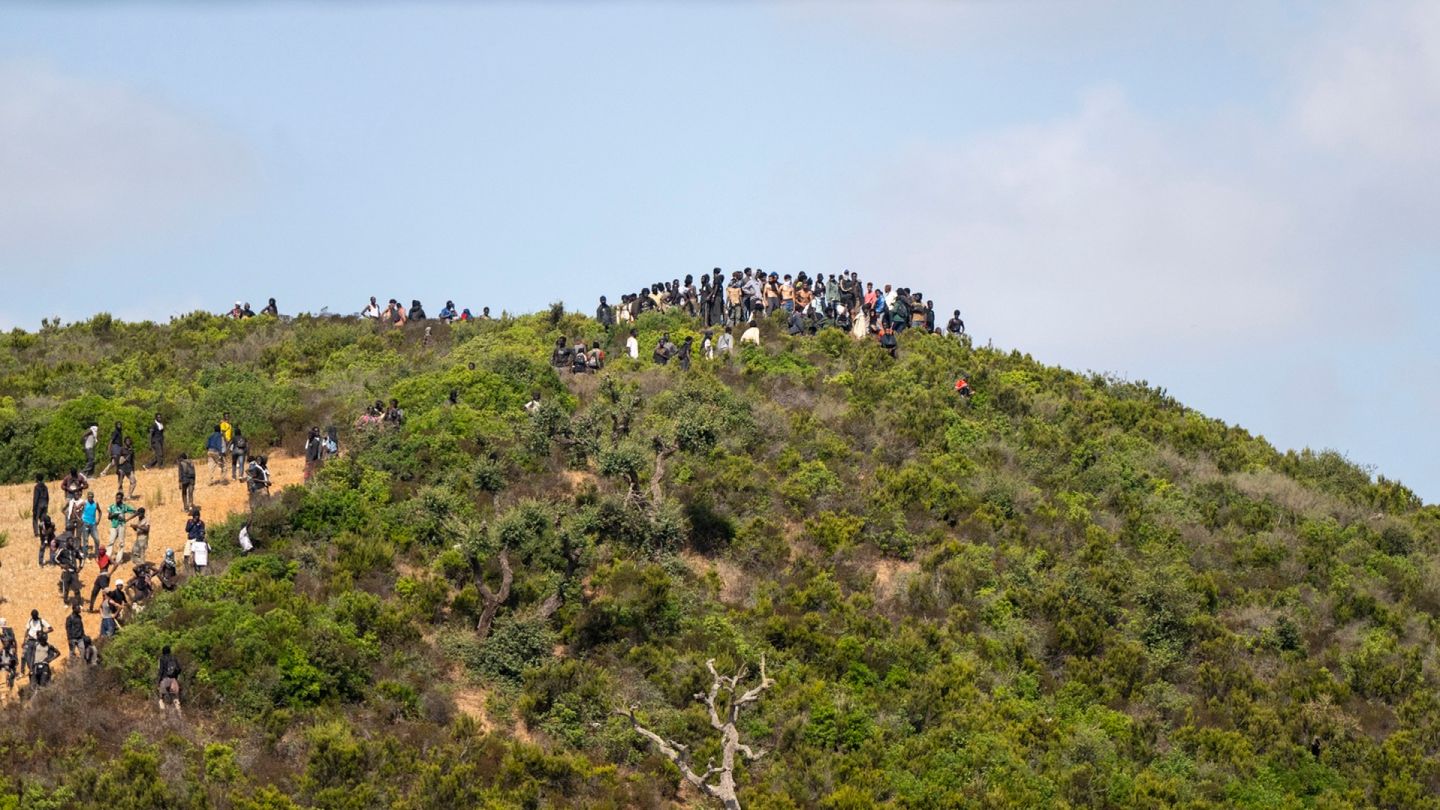
The European Union's strategy of outsourcing border control to neighboring countries has left it vulnerable to external political pressure, as demonstrated by a recent crisis in the Spanish enclave of Ceuta. Thousands of migrants from Morocco surged across the border in the summer, overwhelming Spanish authorities.
For years, the EU has increasingly depended on third countries to manage migration flows. This approach was notably seen with Turkey during the Syrian war, which leveraged migration to negotiate a favorable border control agreement in 2016. Turkey has since used the threat of opening its borders as a bargaining chip for political and financial support.
Morocco, too, has benefited from EU and member state aid in exchange for limiting migration. Despite these arrangements, approximately 8,000 people entered Ceuta in 2021 amid a diplomatic rift between Spain and Morocco. This situation underscores how border control negotiations become entangled with broader issues like energy, trade, security, and regional disputes.
The article suggests that the large-scale crossing into Ceuta was not spontaneous but likely involved at least passive acceptance from Moroccan authorities. Underlying geopolitical tensions, particularly between Morocco and Algeria over Western Sahara, and Spain's shifting stance on the issue, complicate regional dynamics. Morocco's strengthened ties with the United States and Israel further add layers of complexity to its relationship with Spain and the EU's external border policies.
DistantNews Editorial
Originally published by Helsingin Sanomat in Finnish. Translated, summarized, and contextualized by our editorial team with added local perspective. Read our editorial standards.
More Stories
From Our Blog

What Gets Lost (and Found) When News Is Translated

The Critical Role of Diaspora Media in Global News

What Travellers Should Know About Countries with Restricted Press

A Digital Nomad's Guide to Following Local News

How the Same Story Looks Different in Different Countries
