


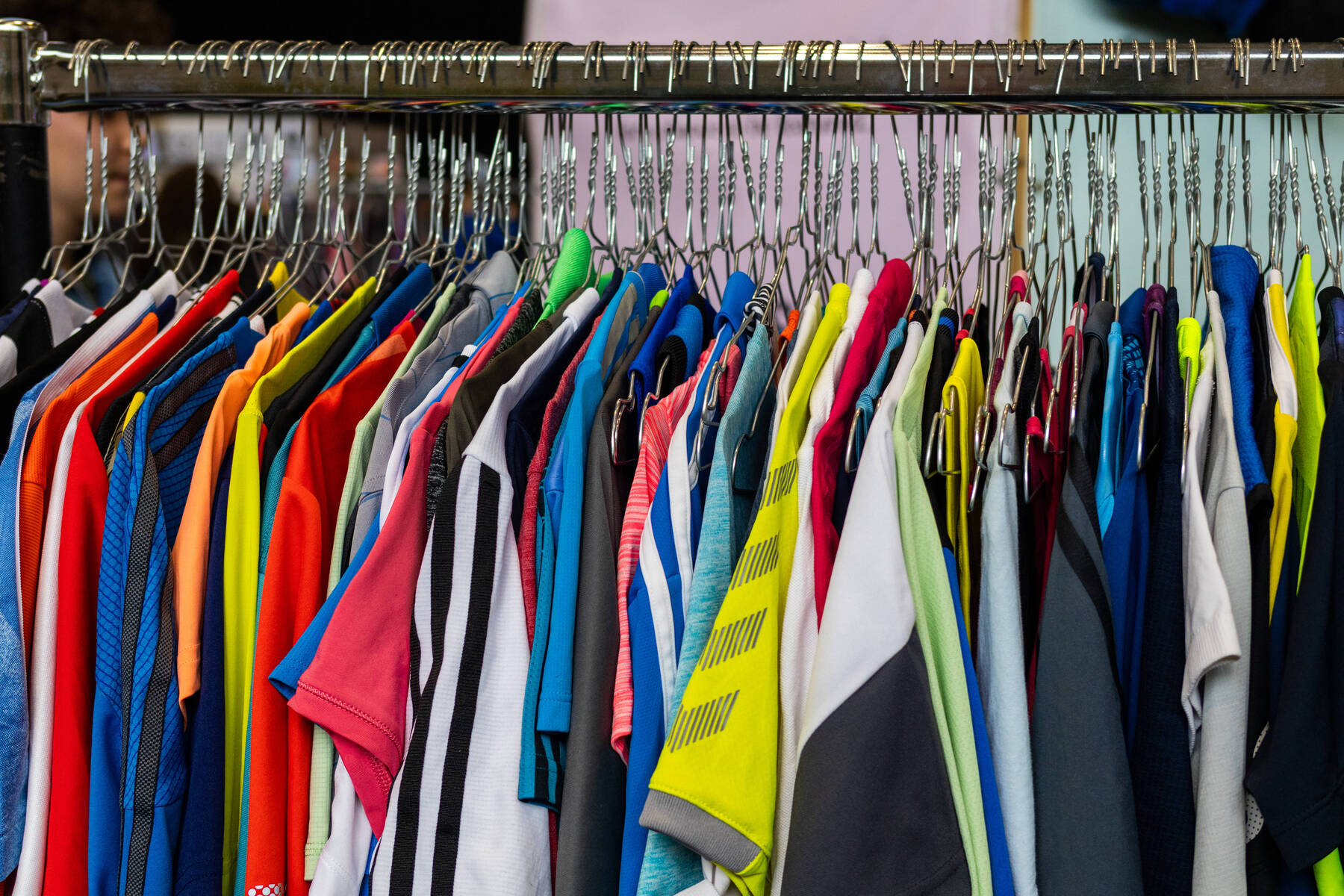
EU bans destruction of unsold clothing, but Austria faces criticism over penalties
Translated from German, summarized and contextualized by DistantNews.
At a glance
News
Sources not specified
New plan
- The EU has enacted a new regulation prohibiting large companies from destroying unsold clothing and footwear.
- The regulation aims to encourage companies to resell or donate unsold items instead of discarding them, addressing significant CO2 emissions from textile waste.
- While welcomed as a milestone, environmental groups criticize Austria for not yet implementing penalties, allowing the destruction of new clothing to continue without punishment.
Large companies in the European Union can no longer destroy unsold clothing and shoes, as a new EU regulation took effect on July 19, 2026. This rule mandates that affected businesses must resell or donate their merchandise rather than discard it. Previously, disposal was often cheaper than storing, processing, or reselling products.
Greenpeace, an environmental organization, has lauded the new EU regulation as a "significant historical milestone." However, the group criticizes Austria, stating that the ban "risks being ineffective" there. According to Greenpeace, Austrian Environment Minister Norbert Totschnig has not yet implemented the required national accompanying legislation, meaning no penalties are in place. Consequently, while the destruction of new clothing and shoes is prohibited in Austria from Sunday, it remains without punishment, Greenpeace points out. The organization estimates that in 2021 alone, approximately 4.6 million kilograms of new clothing and shoes, valued at 155 million euros, were destroyed in Austria.
The Handelsverband Deutschland (HDE), a German retail association, suggests the ban could benefit consumers. HDE's general manager, Stefan Genth, believes the availability of discounted goods might increase through outlets, clearance markets, or second-hand channels. He also foresees potential ecological advantages, as "less new clothing is destroyed and products are resold or donated more frequently."
However, Genth also highlighted challenges for the retail sector. "Not all unsold goods can be easily resold or donated without further ado," he stated, citing reasons such as damaged packaging, high logistics costs, and a lack of demand.
ins Leere laufen
DistantNews Editorial
Originally published by Die Presse in German. Translated, summarized, and contextualized by our editorial team with added local perspective. Read our editorial standards.
More Stories


From Our Blog

What Gets Lost (and Found) When News Is Translated

The Critical Role of Diaspora Media in Global News

What Travellers Should Know About Countries with Restricted Press

A Digital Nomad's Guide to Following Local News

How the Same Story Looks Different in Different Countries
