


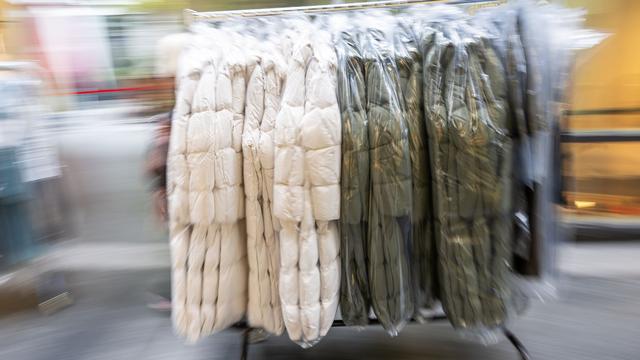
EU Bans Destruction of Unsold Clothing, Pushing for Resale and Donation
Translated from German, summarized and contextualized by DistantNews.
At a glance
News
Named sources
New plan
- A new EU regulation, effective July 19, prohibits large companies from destroying unsold clothing and shoes.
- The rule aims to encourage resale, donation, or recycling, though exceptions exist for hazardous or damaged goods.
- Retail associations foresee potential benefits for consumers, such as increased discounted items, but also highlight challenges and additional costs for businesses.
Large companies in the European Union can no longer destroy unsold clothing and shoes. A new EU regulation, effective July 19, mandates that these businesses must find alternative avenues for their merchandise, such as resale or donation, instead of disposal.
This directive addresses situations where discarding goods is sometimes more cost-effective than managing inventory. However, exceptions apply if the items are hazardous, damaged, or cannot be reused or refurbished. Goods offered as donations to social enterprises within the EU that are not accepted within a specified timeframe may also be destroyed. Smaller businesses will face these new requirements at a later date.
The German Retail Association (HDE) suggests the ban could benefit consumers by increasing the availability of reduced-price items through outlets, clearance markets, or second-hand channels. HDE's General Manager, Stefan Genth, also noted potential environmental advantages from reduced waste. Nevertheless, Genth pointed out that retailers will encounter difficulties, as not all unsold items are easily resold or donated due to issues like damaged packaging, high logistics costs, lack of demand, or low product value.
The German Fashion Association (GermanFashion) supports the regulation, viewing clothing as a valuable product that should not be wasted. Its General Manager, Thomas Lange, stated the ban sends a crucial message about responsible resource management. Lange believes the impact on many European clothing companies will be minimal, as they typically do not destroy unsold stock. He identified the large volumes of ultra-fast fashion ordered by consumers directly from non-European suppliers as the primary challenge, urging for these companies to share the costs of textile collection, sorting, and recycling.
Conversely, the Federation of the German Textile and Fashion Industry criticizes the law, arguing it is out of touch with reality, burdens domestic businesses with bureaucracy, and fails to address the core issues of fast fashion.
DistantNews Editorial
Originally published by Die Zeit in German. Translated, summarized, and contextualized by our editorial team with added local perspective. Read our editorial standards.
More Stories


From Our Blog

What Gets Lost (and Found) When News Is Translated

How the Same Story Looks Different in Different Countries

The Critical Role of Diaspora Media in Global News

What Travellers Should Know About Countries with Restricted Press

A Digital Nomad's Guide to Following Local News
