


EU Climate Commissioner Open to Reviewing How Carbon Sinks Are Calculated
Translated from Finnish and summarized by DistantNews. Read the original for the full story.
At a glance
Interview
Named sources
Ongoing story
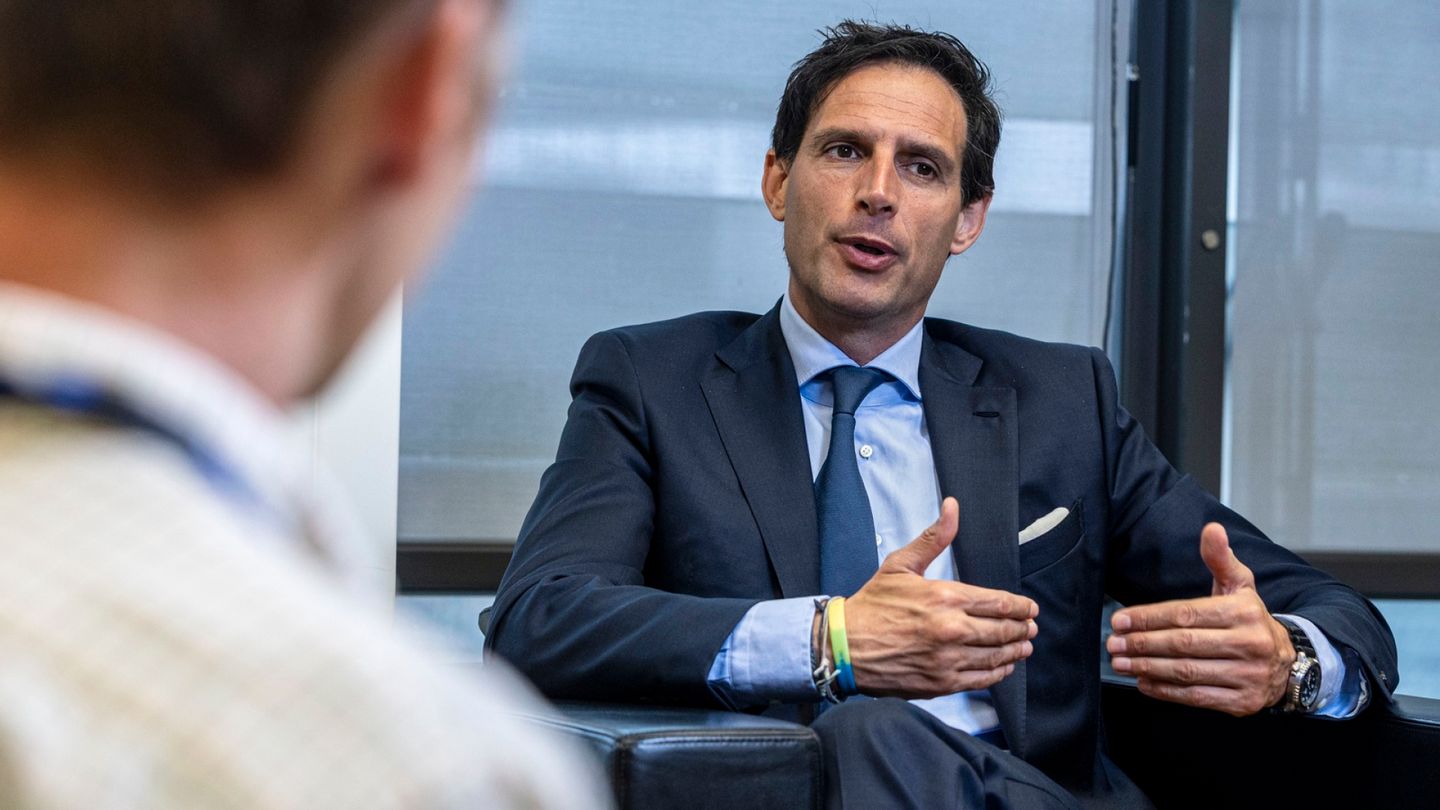
- EU Climate Commissioner Wopke Hoekstra said the European Commission will consider criticism of carbon-sink accounting methods during next year’s review.
- Finland’s forest carbon sinks have declined for more than a decade, turning its land-use sector from a net absorber into a source of emissions and putting its targets at risk.
- Finland hopes revised calculations could reduce or eliminate the need to buy carbon units, which the country has warned could cost the state billions of euros.
Wopke Hoekstra says the European Commission is prepared to look at whether the way carbon sinks are calculated needs to change. For Finland, the review could determine whether the country faces a bill running into billions of euros.
The EU wants member states to increase the carbon dioxide absorbed by forests and other carbon sinks by the end of the decade. Instead, sinks have declined across the bloc for more than 10 years. The trend threatens to undermine the EU’s emissions-reduction targets.
You can either blame companies or member states, or you can be solution-oriented and look at what other ways there are to solve the problem.
Finland is among the countries facing the most serious problems. Its forest carbon sinks have collapsed, turning the land-use sector from a net absorber of emissions into a source. Increased logging and slower forest growth are cited as factors behind the decline. In November, the Commission estimated that 11 member states were at risk of missing their sink targets.
Under EU rules, a country that falls short can buy so-called sink units from countries whose carbon sinks have exceeded their targets. Finnish officials and political leaders have warned that the cost to the state could reach billions of euros. The Commission will publish an interim assessment of member states’ carbon sinks next year.
I do not belong to the school of thought that says if you cannot reach the bar, lower the bar. At the same time, we must be prepared to examine to what extent criticism of the calculation methods is justified. And if it is justified, we need to consider whether there is a better method.
Hoekstra says the problem is not limited to Finland. Forecasts made 10 to 15 years ago about the development of carbon sinks generally failed to materialize. The Commission is already revising its calculation method, and Hoekstra says it must examine whether criticism of the existing approach is justified. He rejects simply lowering the target when countries miss it, but says the EU should consider a better method if the current one is flawed.
Finland’s climate report in June said updated calculations could make it possible for the country to meet its obligations for 2021 to 2025, depending on accepted corrections to the forest reference level. Asked whether the revisions could allow Finland to avoid buying carbon units altogether, Hoekstra replied: “We need to assess that.” He said the methodological work remains partly unfinished and that not all answers are available yet.
We need to assess that.
About this summary
Originally published by Helsingin Sanomat in Finnish. Translated, summarized, and contextualized automatically by DistantNews, with a note on how the source frames the story. Not individually reviewed before publishing. How this works.
More Stories


From Our Blog

What Gets Lost (and Found) When News Is Translated

The Critical Role of Diaspora Media in Global News

What Travellers Should Know About Countries with Restricted Press

A Digital Nomad's Guide to Following Local News

How the Same Story Looks Different in Different Countries
