

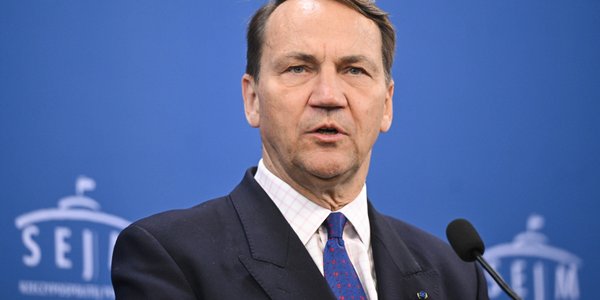
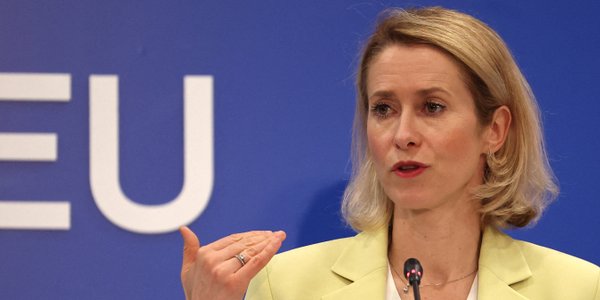
EU Diplomacy at Crossroads? Paris, Berlin Eye Reforms to EEAS, Kaja Kallas's Role
Translated from Polish, summarized and contextualized by DistantNews.
At a glance
News
Named sources
Ongoing story
- France and Germany are reportedly discussing reforms to the European External Action Service (EEAS) to improve the EU's crisis response.
- The proposals, detailed in a French government assessment, could reduce the powers of EU foreign policy chief Kaja Kallas and the EEAS itself.
- Concerns exist that the EEAS is "dysfunctional" and that overlapping competencies hinder effective EU foreign policy.
A potential "revolution" in European diplomacy is brewing as France and Germany reportedly discuss significant reforms to the European External Action Service (EEAS). The Financial Times, citing five senior officials, reports that Paris, Berlin, and other European capitals are considering measures that could curtail the authority of EU foreign policy chief Kaja Kallas and the EEAS, the bloc's 15-year-old diplomatic corps.
The European External Action Service is dysfunctional.
The proposals aim to streamline the EU's response to geopolitical crises, a capability questioned amid recent global challenges. The EEAS, with an annual budget of 1 billion euros, is accused by some officials of being "dysfunctional." One assessment suggests the structure needs a complete overhaul due to systemic issues.
The problem is structural, and therefore the structure must be rebuilt.
One key idea under consideration involves shifting some responsibilities back to the European Commission and individual member states, effectively reversing the decision to establish the EEAS as an autonomous service. This move could diminish the control the EEAS, and Kallas, currently hold over its extensive network of over 140 delegations worldwide. Officials express frustration, stating, "Capitals are annoyed and want us to be able to act together externally." There is a perceived risk that the EEAS could "disintegrate" if reforms are not effectively implemented.
Capitals are annoyed and want us to be able to act together externally.
DistantNews Editorial
Originally published by Rzeczpospolita in Polish. Translated, summarized, and contextualized by our editorial team with added local perspective. Read our editorial standards.
More Stories

From Our Blog

What Gets Lost (and Found) When News Is Translated

The Critical Role of Diaspora Media in Global News

What Travellers Should Know About Countries with Restricted Press

A Digital Nomad's Guide to Following Local News

How the Same Story Looks Different in Different Countries
