


EU Drafts Plan to Cut Electricity Prices Amid Energy Crisis
Translated from Greek, summarized and contextualized by DistantNews.
At a glance
News
From a news agency
Ongoing story
- The European Union is planning significant changes to energy taxation and network charges to lower electricity bills for consumers.
- The proposal aims to tax electricity at a lower rate than natural gas, encouraging a shift away from fossil fuels.
- This initiative comes in response to energy market disruptions caused by the conflict in Iran, which has driven up oil and gas prices.
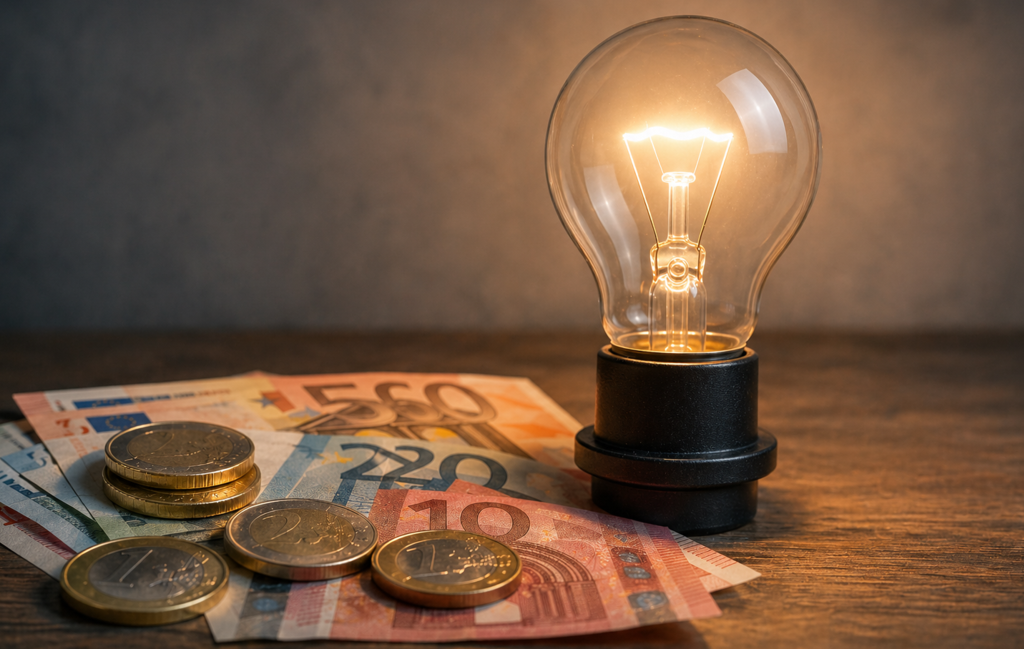
The European Union is preparing a major overhaul of its energy tax system and network charges, aiming to reduce electricity bills for consumers. A draft proposal obtained by Reuters suggests the European Commission plans to impose lower taxes on electricity compared to natural gas.
This initiative is a direct response to the energy market volatility triggered by the conflict in Iran, which has led to soaring oil and gas prices. Europe's continued reliance on imported fossil fuels means these price hikes have significantly burdened consumers.
The proposed plan mandates that national governments tax electricity at a lower rate than natural gas. The goal is to accelerate the transition from fossil fuels to electricity in sectors like transportation, industry, and heating. By making electricity cheaper, the EU hopes to boost the competitiveness of technologies such as electric vehicles and heat pumps.
The draft states a clear need "to reduce electricity bills and the EU's dependence on fossil fuels." While national governments will retain the ability to set their own tax rates, they must adhere to the EU's general rule. The proposal also includes incentives for consumers to shift their electricity usage to off-peak hours when prices are lower.
To support this policy, the EU suggests that half of all electricity consumers should have smart meters by 2030, enabling them to monitor usage and benefit from lower off-peak prices. Network charges, which constitute about a quarter of the average EU household electricity bill, are also part of the proposed changes. However, the plan requires approval from the European Parliament and a qualified majority of member states, with some diplomats reportedly opposing it, arguing that tax decisions should be unanimous.
to reduce electricity bills and the EU's dependence on fossil fuels.
DistantNews Editorial
Originally published by Ta Nea in Greek. Translated, summarized, and contextualized by our editorial team with added local perspective. Read our editorial standards.
More Stories


From Our Blog

What Gets Lost (and Found) When News Is Translated

The Critical Role of Diaspora Media in Global News

What Travellers Should Know About Countries with Restricted Press

A Digital Nomad's Guide to Following Local News

How the Same Story Looks Different in Different Countries
