

EU finalizes quarantine of 8 passengers exposed to hantavirus outbreak; they leave without infection
Translated from Spanish, summarized and contextualized by DistantNews.
At a glance
News
Official statement
Outcome reported
- U.S. health authorities concluded a 42-day monitoring operation for eight passengers exposed to a hantavirus outbreak on a cruise ship.
- None of the passengers developed the illness during the observation period, and all have been released from medical monitoring.
- The outbreak involved the Andes virus strain, a rare variant of hantavirus known for potential human-to-human transmission.
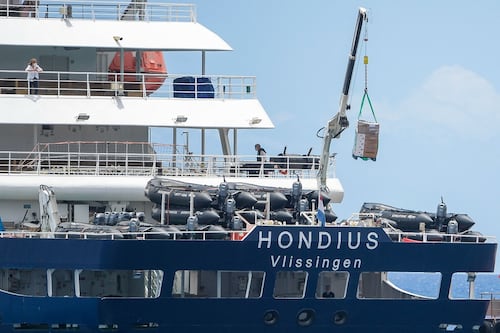
U.S. health authorities have concluded a 42-day quarantine and monitoring period for the final eight passengers who were potentially exposed to a hantavirus outbreak. The outbreak occurred on the cruise ship MV Hondius in the South Atlantic. Officials from the Department of Health and Human Services (HHS) confirmed that none of the passengers developed symptoms of the hantavirus during the extensive observation period.
Consequently, all eight individuals have been cleared and released from the specialized medical facility in Nebraska where they were being monitored. This marks the end of a significant public health response that tracked 18 U.S. citizens potentially exposed to the Andes virus, a rare and concerning strain of hantavirus. The Andes virus is primarily found in South America and is notable for its capacity for human-to-human transmission, which heightened concerns during the cruise ship incident.
The incident generated controversy earlier when Health Secretary Robert Kennedy ordered one passenger to remain in isolation despite her objections to the quarantine. The outbreak itself resulted in three fatalities among those aboard the MV Hondius. Health authorities identified the Andes virus strain as the cause, emphasizing its rarity and potential for person-to-person spread, necessitating the stringent monitoring of potentially exposed individuals upon their return to the United States.
DistantNews Editorial
Originally published by El Universal in Spanish. Translated, summarized, and contextualized by our editorial team with added local perspective. Read our editorial standards.
More Stories



From Our Blog

What Press Freedom Means for the News You Read

What Gets Lost (and Found) When News Is Translated

The Critical Role of Diaspora Media in Global News

What Travellers Should Know About Countries with Restricted Press

A Digital Nomad's Guide to Following Local News
