


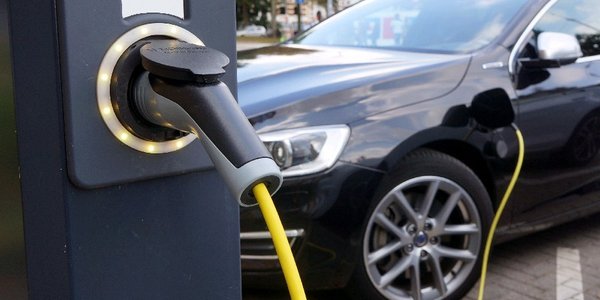
EU fleet electrification stalls as Poland and allies block accelerated targets
Translated from Polish, summarized and contextualized by DistantNews.
At a glance
News
Sources not specified
Context piece
- Poland and other EU nations blocked plans to accelerate the electrification of company car fleets.
- They argue the proposed pace of change does not align with market realities and is too prescriptive.
- The decision could lead to significant changes in the EU's automotive transformation plans.
The European Union's plan to transition company car fleets to electric vehicles is facing significant headwinds, with Poland and a group of other member states blocking proposed administrative measures to speed up the process. The countries argue that the pace of change is unrealistic and not aligned with current market conditions.
Originally, the European Commission proposed reducing the emissions target for new cars from 100% to 90% by mid-next decade. However, this adjustment was deemed insufficient by the European automotive industry and several member states. During a Council of the EU meeting on Transport in Luxembourg, a bloc of nations, including Poland, successfully halted the "greening of fleets" initiative, which aimed to administratively compel businesses to purchase electric vehicles.
"The green transformation must be sensible and based on market realities, not on top-down orders," commented Poland's Minister of Infrastructure, Dariusz Klimczak, on Facebook. Unofficial reports suggest that the existing plans may undergo substantial revisions.
Furthermore, there are proposals to allow a larger percentage of traditional combustion engine vehicles to be registered after 2035 than the initially planned ten percent. This resistance highlights a growing tension between the EU's ambitious climate goals and the practical, economic challenges faced by businesses and member states in achieving them.
The green transformation must be sensible and based on market realities, not on top-down orders.
DistantNews Editorial
Originally published by Rzeczpospolita in Polish. Translated, summarized, and contextualized by our editorial team with added local perspective. Read our editorial standards.
More Stories

From Our Blog

What Gets Lost (and Found) When News Is Translated

The Critical Role of Diaspora Media in Global News

What Travellers Should Know About Countries with Restricted Press

A Digital Nomad's Guide to Following Local News

How the Same Story Looks Different in Different Countries
