


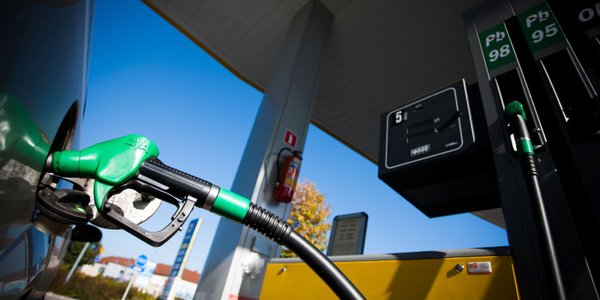
Sejm's constitutional concerns over new Polish fuel tax
Translated from Polish, summarized and contextualized by DistantNews.
At a glance
News
Named sources
Under investigation
- Poland's Sejm legislative office has raised constitutional concerns about a new fuel tax designed to recoup budget losses.
- The tax targets fuel producers and importers with "extraordinary" profits, but critics argue it acts retroactively and risks "confiscation of assets."
- The government aims to raise 4 billion Polish zloty from the tax, intended to offset revenue lost from reduced VAT and excise duties on fuel.
Poland's new fuel tax, intended to bolster the state budget, faces significant constitutional challenges, according to the Sejm's legislative office. The tax targets fuel producers and importers who have seen "extraordinary" profits due to market destabilization following the conflict in the Middle East.
The proposed levy, initially set at 75% but reduced to 60% after public consultations, applies to revenue exceeding a reference margin. This reference margin is based on the average fuel sales margin in 2025, increased by 20%. The government aims to collect 4 billion Polish zloty from this tax, with 3.8 billion zloty expected this year and the remainder in 2027. These funds are meant to compensate for budget revenue lost from a reduction in VAT on fuel to 8% and excise duties to minimal EU levels.
The project's law acts retroactively, and such action is inconsistent with the constitution. It is possible to allow retroactive law only when it benefits the party. This is our most serious charge.
Industry representatives have voiced strong opposition. Dr. Leszek Wiwała, president of the Polish Oil Industry and Trade Organization (POPiHN), argued that the bill's retroactive application, taxing profits from March while the law is being considered in June, violates the constitution. He stated, "The project's law acts retroactively, and such action is inconsistent with the constitution. It is possible to allow retroactive law only when it benefits the party. This is our most serious charge."
Krzysztof Rutkowski, chairman of the supervisory board of Polska Grupa Paliwowa, echoed these concerns about the retroactive taxation. Deputy Minister of Finance and Economy Jarosław Neneman defended the proposal, stating that companies without extraordinary profits would not be taxed. However, the Sejm's legislative office has also noted constitutional doubts regarding the regulation, particularly its compliance with Article 2 of the constitution.
If there are no extraordinary profits among the entrepreneurs importing fuel, then they will not pay any tax.
DistantNews Editorial
Originally published by Rzeczpospolita in Polish. Translated, summarized, and contextualized by our editorial team with added local perspective. Read our editorial standards.
More Stories



From Our Blog

What Gets Lost (and Found) When News Is Translated

The Critical Role of Diaspora Media in Global News

What Travellers Should Know About Countries with Restricted Press

A Digital Nomad's Guide to Following Local News

How the Same Story Looks Different in Different Countries
