


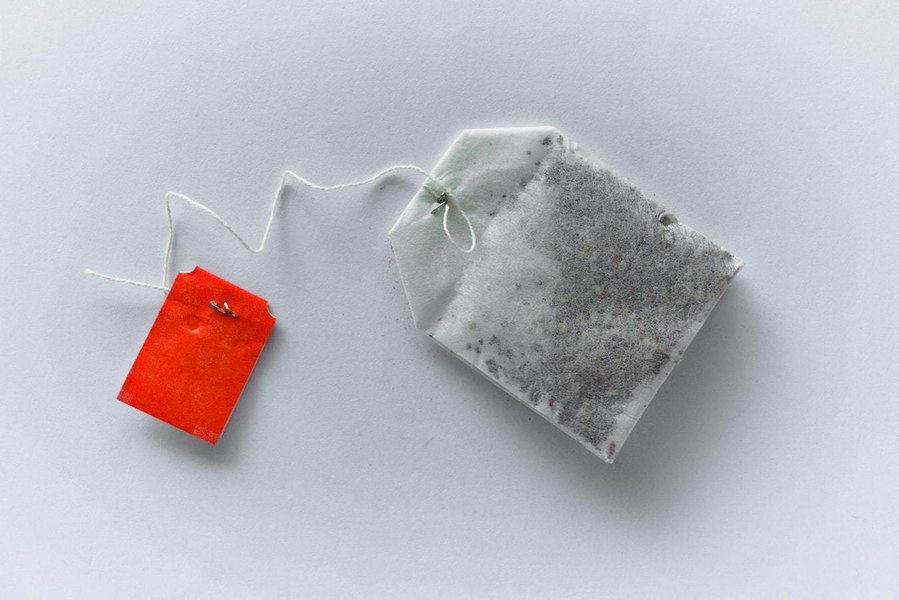
EU Packaging Revolution: Plastic Capsules and Large Online Retail Boxes to Disappear from August 12
Translated from Romanian, summarized and contextualized by DistantNews.
At a glance
News
Sources not specified
New plan
- The EU's Packaging and Packaging Waste Regulation (PPWR) will introduce significant changes starting August 12, 2026.
- Key changes include mandatory compostability for tea bags and coffee capsules, standardized labeling across the EU, and a ban on certain single-use plastics.
- Businesses will face new administrative and compliance obligations, with visible consumer changes rolling out gradually over the coming years.
The European Union is set to implement a sweeping reform of packaging regulations, with the Packaging and Packaging Waste Regulation (PPWR) introducing significant changes starting August 12, 2026. This new framework aims to standardize packaging, promote sustainability, and reduce waste across all member states.
Consumers will gradually notice several key changes. Tea bags and coffee capsules will be required to be industrially compostable from February 12, 2028. Similarly, plastic coffee capsules used in brewing systems will also need to meet industrial compostability standards. Adhesive labels applied directly to fruits and vegetables must also be compostable.
Furthermore, by August 12, 2028, all packaging will feature standardized EU-wide labels with pictograms indicating the material composition and correct disposal methods. This standardization will extend to selective waste collection bins in public spaces and stores, simplifying recycling efforts. By January 1, 2030, single-use plastic packaging for fresh fruits and vegetables sold in quantities up to 1.5 kilograms will be prohibited.
Businesses, particularly in the hospitality and retail sectors, will also face substantial adjustments. Restaurants and cafes will no longer be permitted to use single-use plastic packaging for dine-in services. Hotels will phase out miniature disposable toiletries like shampoo and shower gel bottles (under 50 ml), replacing them with refillable dispensers. Supermarkets larger than 400 square meters will be mandated to establish collection points for reusable packaging.
While the most visible changes for consumers will be implemented gradually, companies must begin addressing administrative and compliance obligations immediately. These include preparing technical documents, declarations of conformity, and adhering to stricter rules on substances within packaging materials. Companies will also need to register within extended producer responsibility (EPR) systems, demonstrating compliance with new European standards for safety, traceability, and environmental impact before products can enter the EU market.
DistantNews Editorial
Originally published by Adevărul in Romanian. Translated, summarized, and contextualized by our editorial team with added local perspective. Read our editorial standards.
More Stories


From Our Blog

What Gets Lost (and Found) When News Is Translated

The Critical Role of Diaspora Media in Global News

What Travellers Should Know About Countries with Restricted Press

A Digital Nomad's Guide to Following Local News

How the Same Story Looks Different in Different Countries
