

EU proposes new sanctions targeting Russia's 'shadow fleet' and oil infrastructure
Translated from German, summarized and contextualized by DistantNews.
At a glance
News
Named sources
New plan
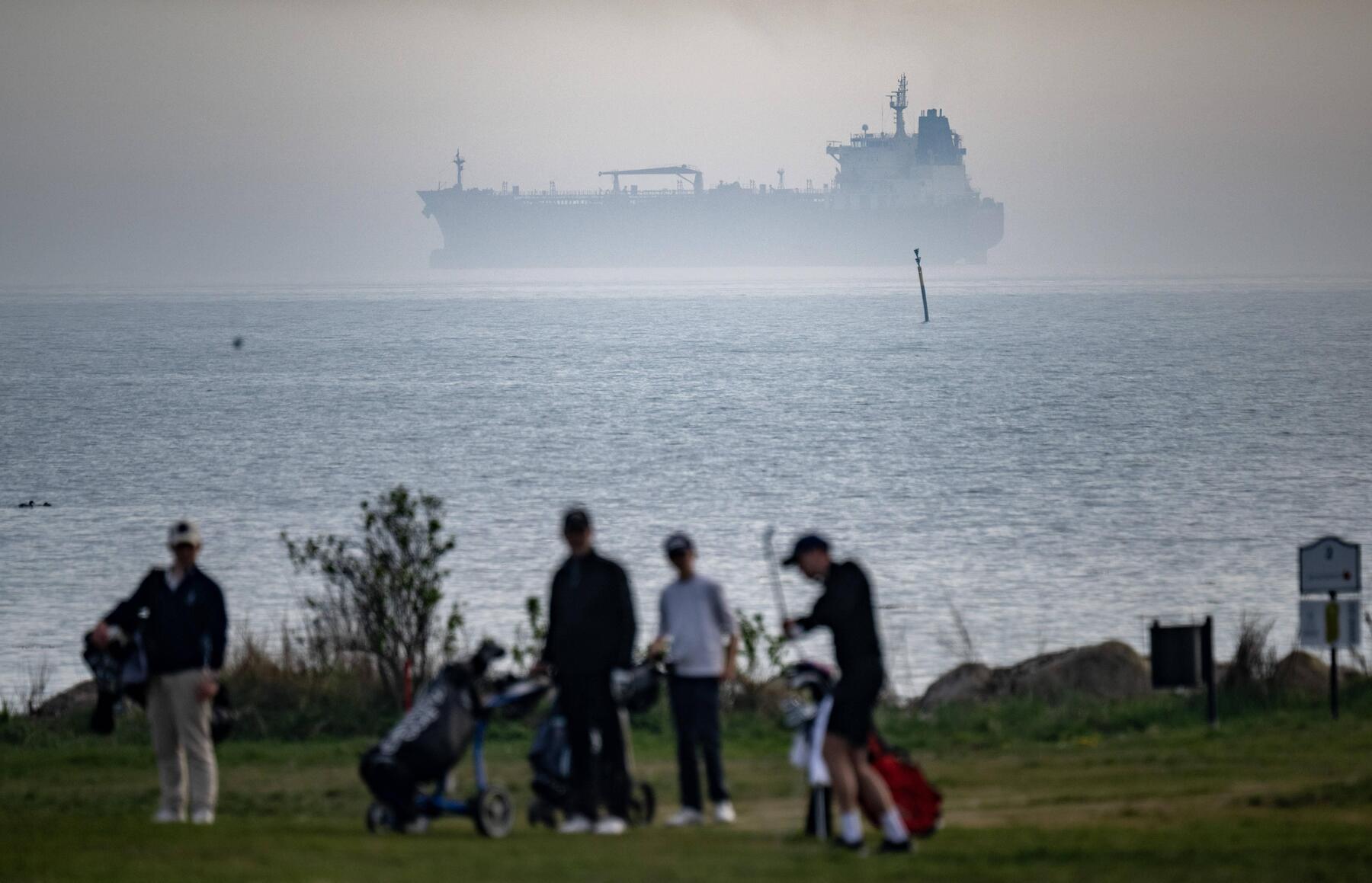
- The EU proposed its 21st sanctions package against Russia, including targeting 30 additional tankers involved in Russia's "shadow fleet" that exports oil bypassing sanctions.
- The proposal also aims to sanction ships supporting the shadow fleet, such as those involved in ship-to-ship oil transfers, and critical infrastructure like ports and refineries handling Russian oil.
- An investigation revealed that former Russian soldiers and Wagner Group mercenaries are increasingly being deployed as security personnel on these shadow fleet tankers, particularly in the Mediterranean and Baltic Seas.
The European Union is moving to tighten sanctions against Russia, proposing its 21st package to counter Moscow's circumvention of oil export restrictions. European Commission President Ursula von der Leyen announced plans to add 30 more tankers to the EU's "shadow fleet" blacklist. These vessels are accused of illegally exporting Russian crude oil, generating an estimated six to nine billion euros in foreign exchange for Russia monthly.
The proposed measures extend beyond just tankers. The Commission aims to sanction ships that facilitate the shadow fleet's operations, such as those involved in ship-to-ship oil transfers at sea, which complicates tracking sanctioned vessels. Furthermore, the EU intends to target critical infrastructure, including ports and refineries, that process or trade Russian oil, as highlighted by von der Leyen.
These intensified sanctions come in light of a new investigation by the Dossier Center, a Russian investigative organization funded by exiled oligarch Mikhail Khodorkovsky. The center obtained crew lists for approximately 700 tankers operating between 2023 and 2026. Their analysis revealed a significant shift in the security personnel deployed on these vessels.
Initially, few "security guards" were present on shadow fleet tankers. However, starting in early summer, the deployment of heavily armed personnel increased dramatically. Investigations identified 83 individuals as security personnel participating in over 140 voyages. Social media profiles linked these individuals to former Russian soldiers and mercenaries from the notorious Wagner Group. German intelligence sources have corroborated these findings, indicating that these security personnel are often provided by Moran, a Moscow-based Russian security service provider.
DistantNews Editorial
Originally published by Die Presse in German. Translated, summarized, and contextualized by our editorial team with added local perspective. Read our editorial standards.
More Stories

From Our Blog

What Gets Lost (and Found) When News Is Translated

The Critical Role of Diaspora Media in Global News

What Travellers Should Know About Countries with Restricted Press

A Digital Nomad's Guide to Following Local News

How the Same Story Looks Different in Different Countries
