


EU Pushes Forward with Migrant Return Centers Amidst French Objections and Taliban Talks
Translated from German, summarized and contextualized by DistantNews.
At a glance
News
Named sources
Ongoing story
- Five EU countries, including Austria, are preparing to establish migrant return centers in third countries outside the EU.
- EU Commissioner Magnus Brunner expressed surprise at French President Macron's objections, noting Macron's prior involvement and emphasizing that participation is voluntary.
- Brunner acknowledged concerns about returning families to such centers, stating it "would go too far," and defended ongoing technical talks with the Taliban regarding the return of criminal migrants.
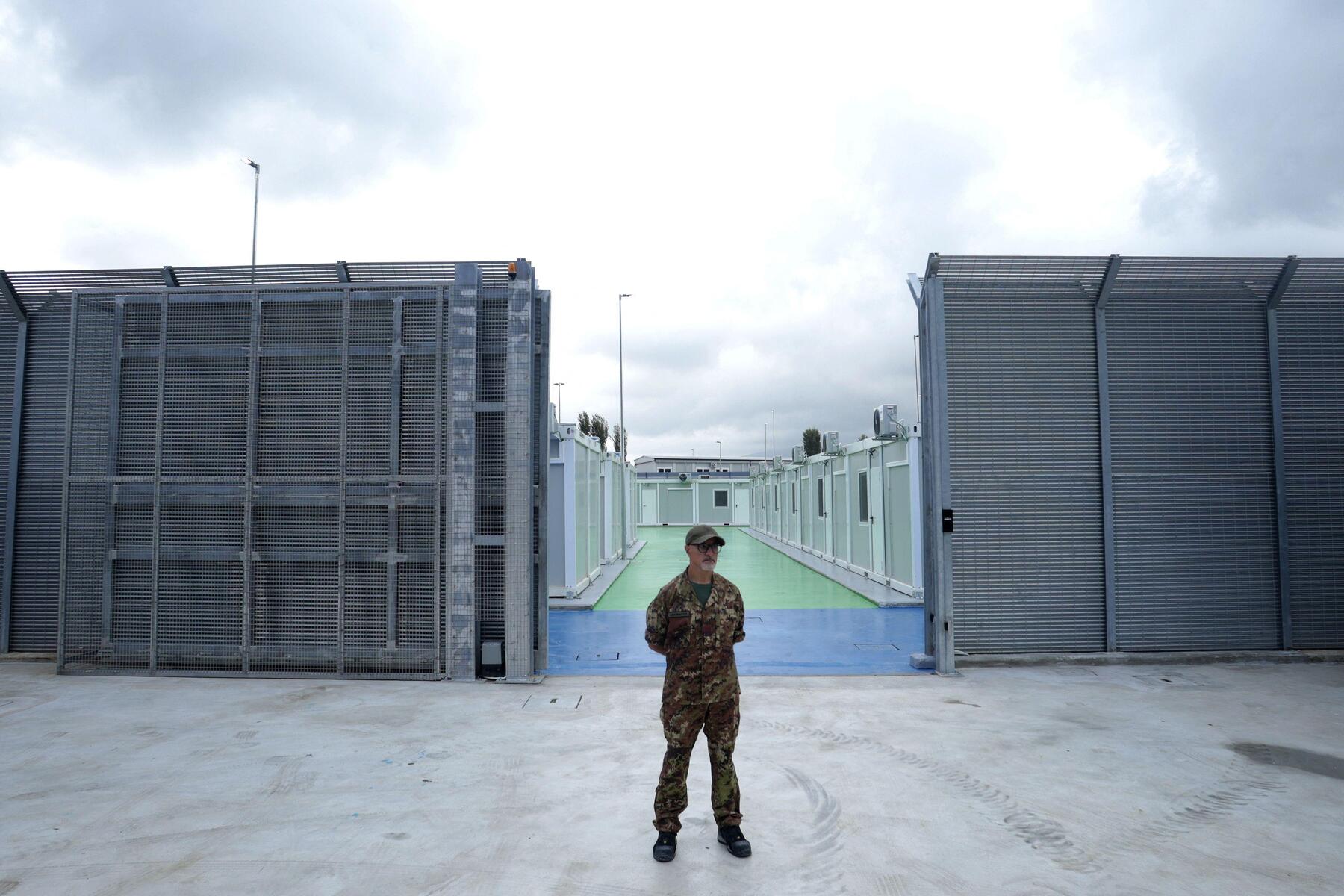
Austria, Germany, the Netherlands, Denmark, and Greece are moving forward with plans to establish migrant return centers in countries outside the European Union. These centers are intended for asylum seekers whose applications have been rejected and who cannot be deported to their home countries. The initiative aims to streamline the return process for individuals deemed ineligible for asylum.
We have laid the legal basis for this, also with safeguards, that human rights must be respected.
EU Commissioner Magnus Brunner announced that the legal framework for these centers is in place, including safeguards to ensure human rights are respected. He expressed surprise at objections raised by French President Emmanuel Macron, recalling Macron's previous participation in discussions on the matter. Brunner stressed that no one is being forced to participate and that the centers are designed to operate within European values. Macron had previously questioned the alignment of these centers with European values and doubted the feasibility of such centers in third countries, ruling out EU funding.
He had once helped shape it.
While defending the initiative, Brunner conceded a point of concern regarding the potential return of families to these centers. He stated that while the European Parliament had pushed for this provision, he personally would not have proposed it, adding, "It would go too far." Human rights experts also criticize the humanitarian implications of returning families, particularly the potential indefinite disruption to children's education.
I am not sure that this is our Europe.
Furthermore, Brunner defended the commencement of negotiations with representatives of the Taliban government in Afghanistan. He clarified that these are "technical talks at the official level" involving 15 EU states, not political representatives, and are aimed at facilitating the return of criminal migrants. Brunner assured that this engagement does not constitute recognition of the Taliban regime and that no concessions would be made to the Afghan government in exchange for cooperation.
I would not have proposed that. Because that would go too far.
DistantNews Editorial
Originally published by Die Presse in German. Translated, summarized, and contextualized by our editorial team with added local perspective. Read our editorial standards.
More Stories


From Our Blog

What Gets Lost (and Found) When News Is Translated

The Critical Role of Diaspora Media in Global News

What Travellers Should Know About Countries with Restricted Press

A Digital Nomad's Guide to Following Local News

How the Same Story Looks Different in Different Countries
