


EU's ETIAS Travel System Delayed to Next Year Amid Implementation Woes
Translated from Polish, summarized and contextualized by DistantNews.
At a glance
News
Named sources
Ongoing story
- The EU's new ETIAS travel authorization system, requiring a 20 euro fee and security check for visa-exempt travelers, will be delayed until next year.
- The delay is due to technical issues and slow implementation of the separate EU Entry/Exit System (EES), which has caused border crossing problems.
- eu-LISA, the agency responsible for ETIAS, confirmed the delay, with the European Commission to set a new launch date after successful testing.
The European Union's planned European Travel Information and Authorisation System (ETIAS) will not launch this year as initially scheduled. The system, which requires travelers from visa-exempt countries to pay a 20 euro fee and undergo a pre-travel security check, has been postponed until 2025.
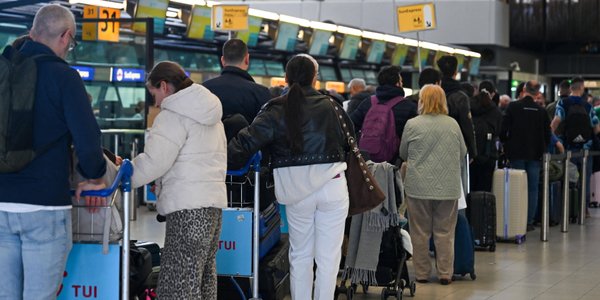
The delay stems from persistent technical problems and the sluggish rollout of the EU's new Entry/Exit System (EES). The EES, designed to scan fingerprints and facial images of non-EU travelers at the bloc's borders, has already caused significant disruptions, including long queues at airports and border crossings, and warnings of a chaotic summer travel season.
eu-LISA, the agency tasked with implementing ETIAS, acknowledged that the system's launch by the end of 2024 is no longer feasible. Agency officials met in mid-June to discuss rescheduling, with another meeting planned for September to finalize a new timeline. The European Commission will ultimately decide the launch date, but only after eu-LISA successfully tests the ETIAS system.
An anonymous EU official expressed concern about launching another complex system before the EES is fully functional, stating, "Let's sort out the EES first before adding another system that will double the queues again." The EES itself has faced multiple delays since its original planned launch in 2022, attributed to procurement issues, technical difficulties, and slow adoption by some member states.
Let's sort out the EES first before adding another system that will double the queues again.
DistantNews Editorial
Originally published by Rzeczpospolita in Polish. Translated, summarized, and contextualized by our editorial team with added local perspective. Read our editorial standards.
More Stories



From Our Blog

What Gets Lost (and Found) When News Is Translated

The Critical Role of Diaspora Media in Global News

What Travellers Should Know About Countries with Restricted Press

A Digital Nomad's Guide to Following Local News

How the Same Story Looks Different in Different Countries
