

EU seeks protective measures against Chinese industrial competition
Translated from Finnish, summarized and contextualized by DistantNews.
At a glance
News
Named sources
Ongoing story
- The EU is seeking new measures to combat unfair competition from China, which threatens European industries like solar panels, autos, and steel.
- Chinese companies leverage significant state subsidies, allowing them to offer products at much lower prices than European competitors.
- EU leaders are converging on a tougher stance, aiming to rebalance trade relations, which currently show the EU importing significantly more from China than it exports.
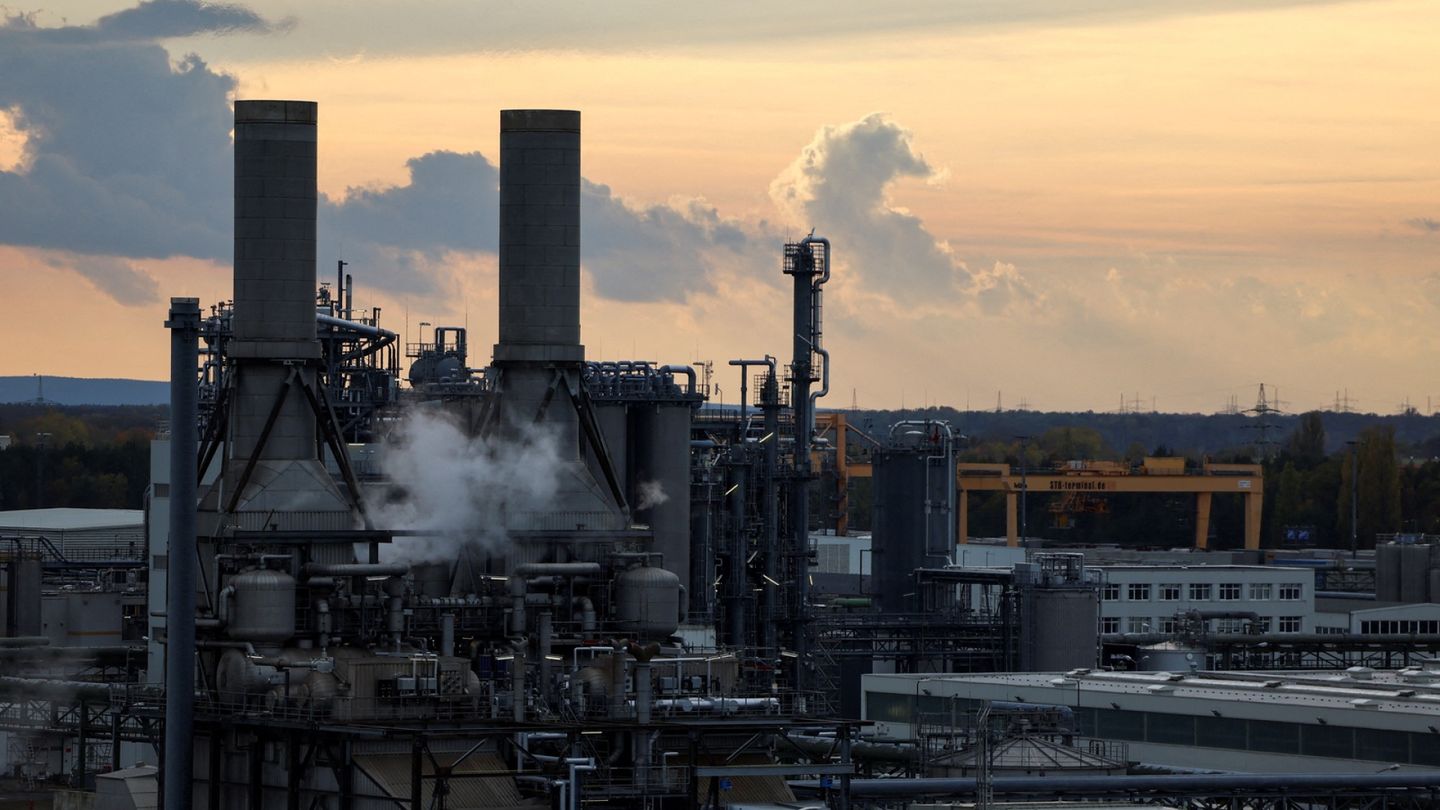
European Union leaders are convening to discuss and implement stronger measures against what they perceive as unfair competition from China, which poses a significant threat to key European industries. The EU is looking for new ways to counter Chinese practices that risk decimating sectors such as solar panel manufacturing, which has already been largely lost to China, and currently struggling auto and steel industries.
The EU is going to take a much firmer line than before.
Chinese companies benefit from substantial state subsidies, estimated by the IMF to be equivalent to 4.5% of China's GDP. This financial backing enables them to undercut European competitors on price. Despite existing protective measures like tariffs, China's exports to the EU continue to grow, with the EU importing approximately one billion euros more from China daily than it exports.
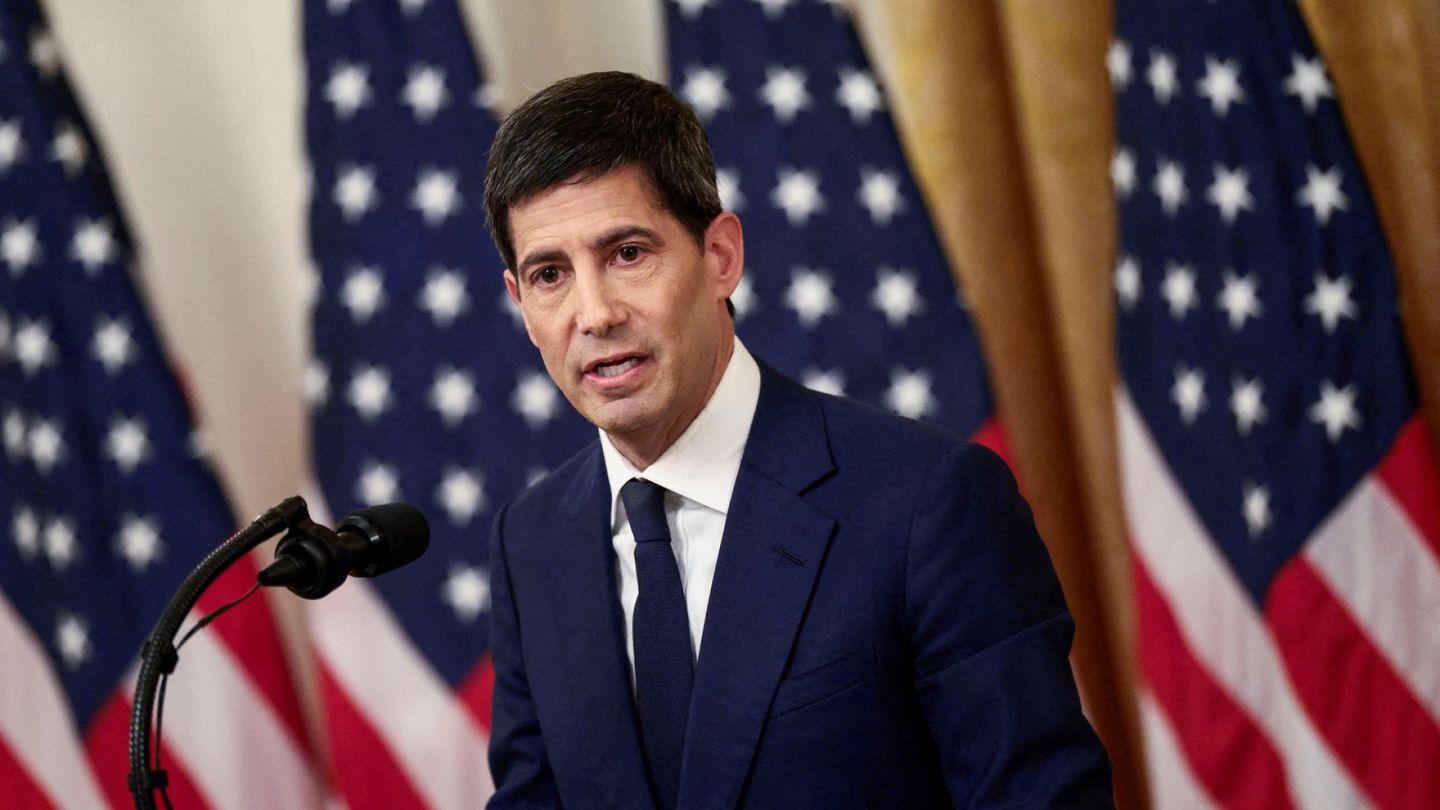
Our trade relationship with China has reached a point that requires reassessment – not confrontation, but rebalancing. The current situation is no longer economically or politically sustainable.
EU Trade Commissioner Maroš Šefčovič stated that the trade relationship with China has reached a critical point requiring reassessment. He emphasized the need for balance, not confrontation, and declared the current situation unsustainable economically and politically. Protecting European industry from unfair competition requires more effective and "sharper tools," alongside unity among member states.
We must protect European industry from unfair competition more effectively.
Finding common ground on China policy has historically been challenging for EU members, as seen with differing stances on tariffs for Chinese electric vehicles. However, a growing consensus is emerging, with five major member states, France, Italy, the Netherlands, Poland, and Spain, jointly calling for faster action. They warn that Europe has already lost a million industrial jobs and risks losing strategic sectors and critical industrial capacity. Proposals include refining current regulations and creating a new "resilience instrument" to address large-scale market distortions beyond the scope of existing tools.
sharper tools
DistantNews Editorial
Originally published by Helsingin Sanomat in Finnish. Translated, summarized, and contextualized by our editorial team with added local perspective. Read our editorial standards.
More Stories


From Our Blog

What Gets Lost (and Found) When News Is Translated

The Critical Role of Diaspora Media in Global News

What Travellers Should Know About Countries with Restricted Press

A Digital Nomad's Guide to Following Local News

How the Same Story Looks Different in Different Countries
