


New Rules Needed for Organization Funding
Translated from Finnish, summarized and contextualized by DistantNews.
At a glance
Opinion
Sources not specified
Context piece
- Finnish organizations face funding challenges as state aid cuts fail to solve the national budget deficit.
- The current funding system inadequately considers the diversity of organizations, their sizes, and funding capabilities.
- Recommendations include prioritizing organizations serving vulnerable groups and improving access to EU funding for those with administrative capacity.
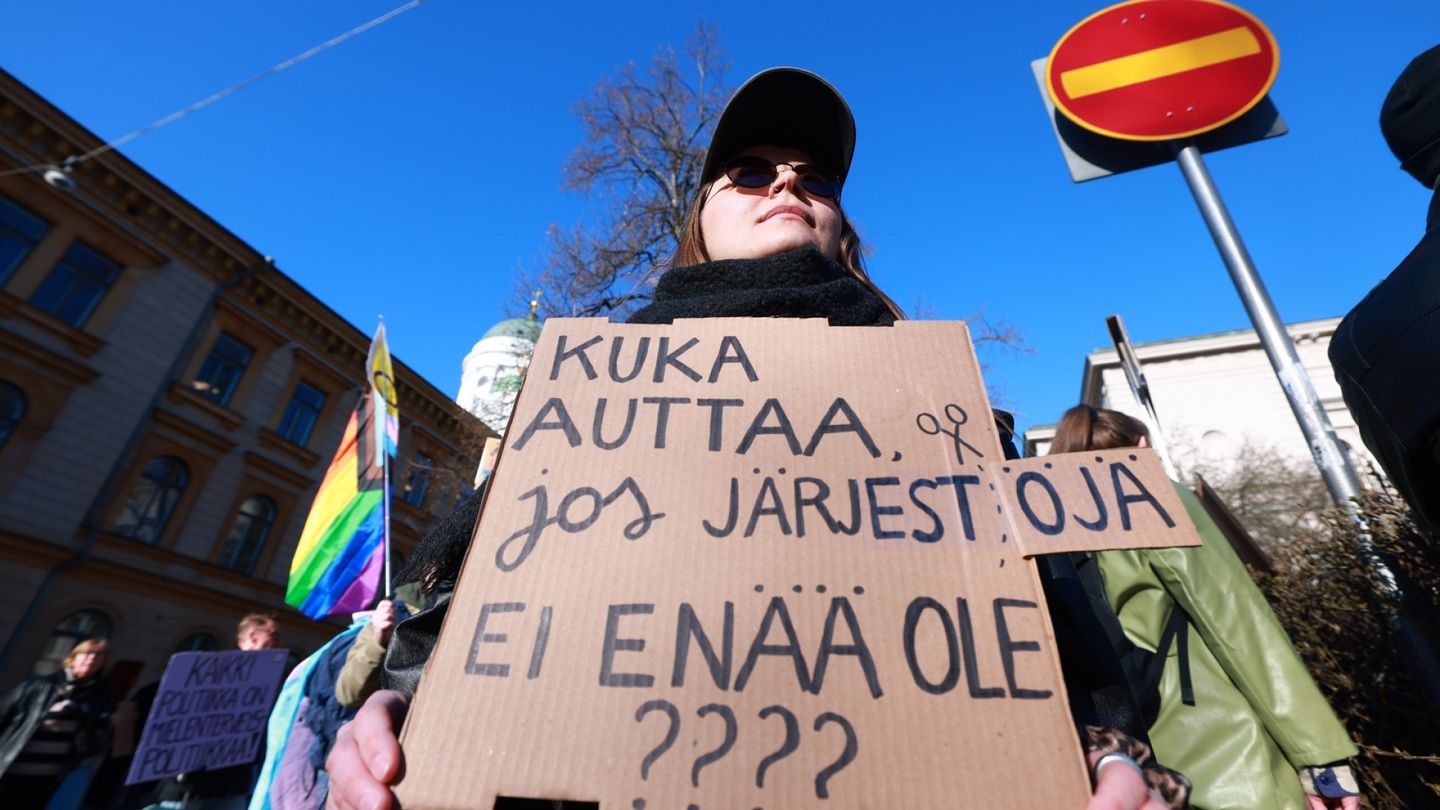
The debate surrounding Finnish organization funding and cuts to STEA aid has intensified over the past year. Political parties have offered few solutions, and organizations themselves have largely remained defensive against accusations about their spending and the necessity of public support.
Minister Wille Rydman's recent guidelines on STEA aid criteria do not resolve the situation. The article argues that these cuts will not save the national economy and fail to clarify the future role of organizations. A key issue is the lack of understanding regarding the diverse nature of organizations and their varying abilities to secure funding. The current system inadequately accounts for their size, tasks, and operational needs.
As funding decreases, prioritization is necessary. However, many STEA-funded organizations have limited options for alternative fundraising due to their target audiences. These groups often work with individuals struggling with substance abuse, mental health issues, or child protection, making it difficult to attract large membership fees or corporate sponsorships. The article stresses that STEA aid should primarily support these organizations, which perform crucial direct outreach work that the minister's guidelines incorrectly exclude from state aid.
The author suggests that regional welfare areas should direct their organizational grants specifically to local organizations that strengthen regional well-being and community spirit. Small, local associations are best positioned to support welfare area strategies due to their agility and understanding of local residents' needs and operating environments. Additionally, while EU funding is available, small organizations often struggle with co-financing requirements, international networks, and significant administrative burdens. The article proposes better targeting and accessibility of EU funds for national and international organizations operating in Finland, as they are better equipped to handle the administrative load and often have stronger fundraising capabilities.
DistantNews Editorial
Originally published by Helsingin Sanomat in Finnish. Translated, summarized, and contextualized by our editorial team with added local perspective. Read our editorial standards.
More Stories



From Our Blog

What Gets Lost (and Found) When News Is Translated

The Critical Role of Diaspora Media in Global News

What Travellers Should Know About Countries with Restricted Press

A Digital Nomad's Guide to Following Local News

How the Same Story Looks Different in Different Countries
