


EU targets 46% electrification by 2040 to cut costs and boost energy security
Translated from Turkish, summarized and contextualized by DistantNews.
At a glance
News
Sources not specified
New plan
- The European Union Commission has raised its electrification target to 46% by 2040 to save 260 billion euros annually and reduce fossil fuel dependence.
- This plan aims to cut natural gas imports by over 70% and crude oil imports by over 40% by 2040, driven by energy security concerns following recent geopolitical crises.
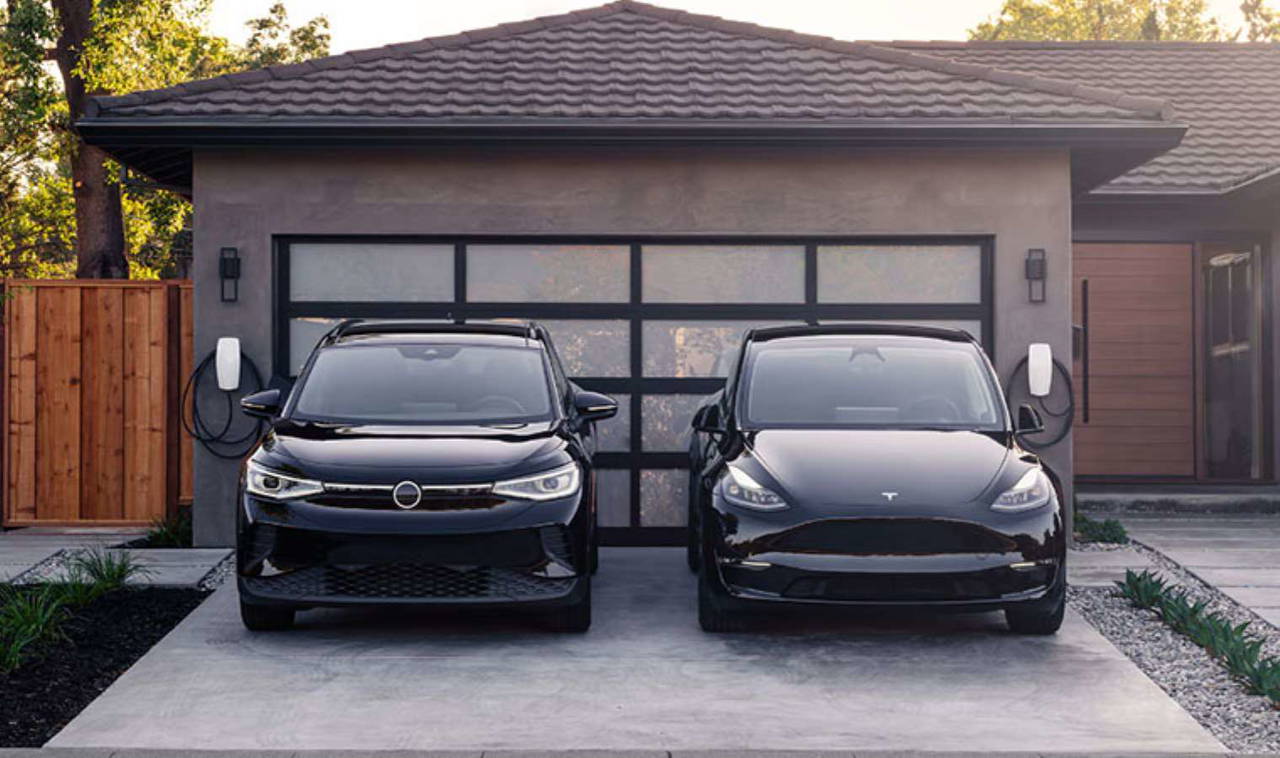
- Achieving the target requires increasing electric vehicles to 120 million and heat pumps to 100 million by 2040.
The European Union Commission is pushing for a significant increase in electrification, aiming for 46% by 2040. This ambitious goal is designed to bolster energy security and reduce reliance on fossil fuels, a vulnerability exposed by recent conflicts like the war in Ukraine and tensions between the US/Israel and Iran. These geopolitical events have already led to substantial increases in the EU's fossil fuel import bill, contributing to inflation and rising interest rates.
The plan forecasts that accelerated energy transformation, centered on electrification, could slash the EU's natural gas imports by over 70% and crude oil imports by more than 40% by 2040. This shift is projected to save the bloc approximately 260 billion euros annually on its fossil fuel expenditures. The proposed 46% electrification level, while not legally binding, represents a doubling of the current rate, which has remained stagnant at 23% for about a decade.
This initiative follows the EU's global pledge to increase electrification to 35% by 2035, announced in the context of COP31, which Turkey will host. The EU's Electrification Action Plan aims to boost clean technology production and adoption across Europe. Officials view faster electrification as key to enhancing the competitiveness of European economies, ensuring supply security, and lowering energy costs. To meet the 2040 target, the number of electric vehicles in the EU would need to surge from the current 8 million to 120 million, and the stock of heat pumps would need to rise from 28 million to 100 million.
DistantNews Editorial
Originally published by Cumhuriyet in Turkish. Translated, summarized, and contextualized by our editorial team with added local perspective. Read our editorial standards.
More Stories



From Our Blog

What Gets Lost (and Found) When News Is Translated

The Critical Role of Diaspora Media in Global News

What Travellers Should Know About Countries with Restricted Press

A Digital Nomad's Guide to Following Local News

How the Same Story Looks Different in Different Countries
