


EU, UK hit Russia with joint sanctions over cyber attacks
Summarized and contextualized by DistantNews.
At a glance
News
Named sources
New plan
- The EU and UK imposed coordinated sanctions on nine individuals and four entities linked to Russian state-sponsored cyberattacks.
- The sanctions target Russia's FSB intelligence agency and GRU military intelligence for alleged involvement in digital strikes and destabilization campaigns.
- Actions include asset freezes and visa bans, marking the first joint cyber sanctions package between the EU and Britain.
The European Union and Britain have jointly sanctioned nine individuals and four entities over Russia's alleged cyberattacks targeting Europe, accusing Moscow's FSB intelligence agency of orchestrating digital strikes. Western officials warn that Russia has intensified its "hybrid" campaign to destabilize Europe, now over four years into the war in Ukraine.
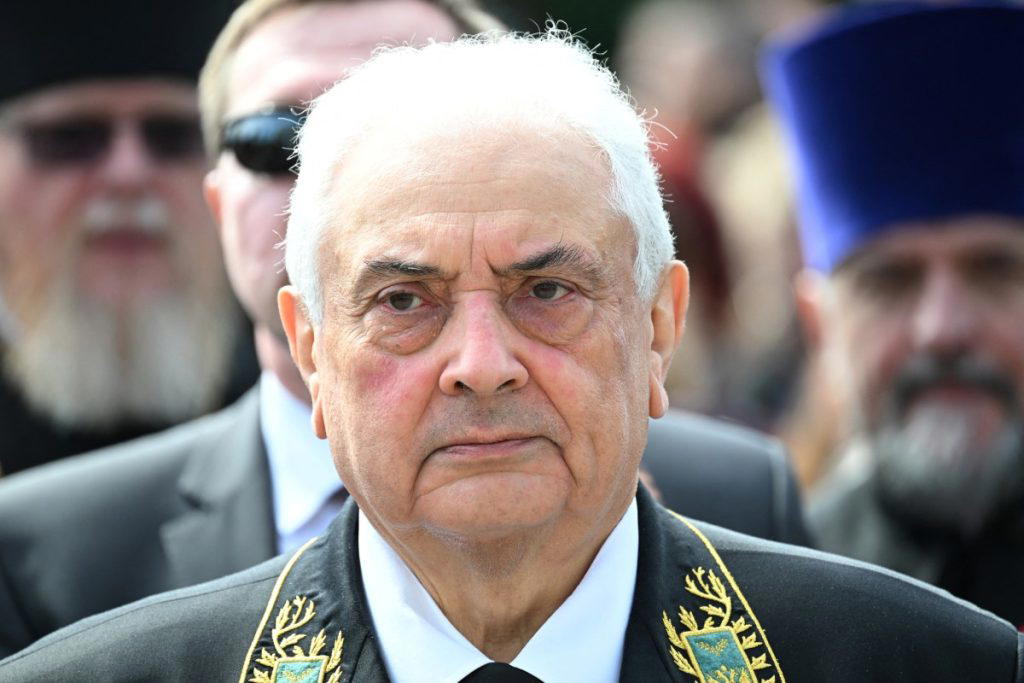
This morning… we summoned the Russian ambassador to the foreign ministry in connection with hostile cyber attacks.
The EU announced sanctions on nine individuals and four entities, while Britain added 24 names to its blacklist. The British government stated these sanctions, the first joint cyber package with the EU, target Russia's "persistent and increasingly reckless attempts to sow chaos and division across Europe." Among those sanctioned are officers from Russia's GRU military intelligence agency and alleged "cybercriminals" collaborating with the Russian state.
target the Russian state’s persistent and increasingly reckless attempts to sow chaos and division across Europe.
Both the EU and Britain highlighted a recent attempted cyberattack on critical infrastructure in Poland, including its power grid, as a prime example of actions by the FSB's Centre 16 spying hub. The British foreign office noted this attack, though unsuccessful, could have left 500,000 citizens without electricity in winter, calling it another instance of Russia's "irresponsible attempts to sow chaos."
This reckless attack failed but could have caused 500,000 citizens to lose electricity in the depths of winter.
The EU and several member states summoned Russian diplomatic representatives to protest the cyberattacks. France's foreign minister, Jean-Noel Barrot, confirmed that attacks targeted government ministries, companies, and service operators, aiming to gather information or sabotage operations, citing a specific incident against rail infrastructure in Poland. The French foreign ministry also noted a sanctioned group claimed destabilizing actions against the Paris 2024 Olympics.
either of capturing information or sabotaging operations, for example rail infrastructure, as was the case in Poland.
DistantNews Editorial
Originally published by Vanguard. Summarized and contextualized by our editorial team with added local perspective. Read our editorial standards.
More Stories


From Our Blog

How the Same Story Looks Different in Different Countries

What Gets Lost (and Found) When News Is Translated

The Critical Role of Diaspora Media in Global News

What Travellers Should Know About Countries with Restricted Press

A Digital Nomad's Guide to Following Local News
