

Europe charts new energy map, prioritizing diversification and infrastructure
Translated from Polish, summarized and contextualized by DistantNews.
At a glance
News
Named sources
Context piece
- Poland, Ukraine, and the U.S. are collaborating to create a new energy supply architecture for the region, emphasizing diversification, infrastructure, and cross-border cooperation.
- Poland, having long warned against European dependence on Russian resources, is now leveraging its infrastructure, including LNG terminals and the Baltic Pipe, to supply neighboring countries.
- Ukraine's gas storage facilities and domestic production are highlighted as crucial assets for regional energy security, despite ongoing conflict and infrastructure damage.
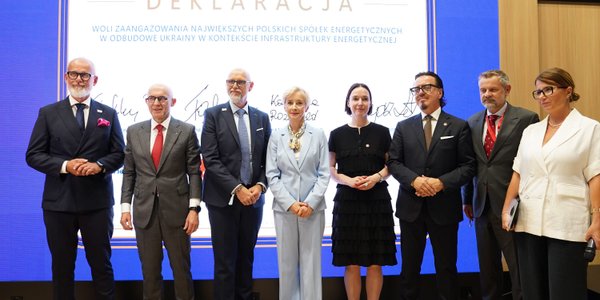
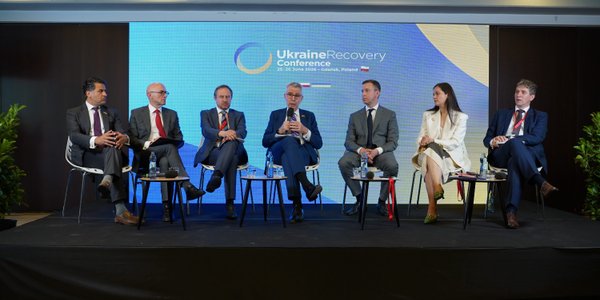
Poland, Ukraine, and the United States are spearheading the creation of a new energy supply map for the region, aiming to reduce reliance on volatile sources and foster greater stability. Discussions during the Conference on the Recovery of Ukraine emphasized the need for a diversified approach, robust infrastructure, and enhanced business collaboration across borders.
Poland was the first country to raise the issue of the potential use of gas supplies as a weapon against Europe. At a time when we were diversifying supplies, building a terminal and thinking about the Baltic Pipe, other EU countries were developing Nord Stream. Unfortunately, we were right.
Poland's long-standing warnings about Europe's dependence on Russian energy resources have proven prescient. Wojciech Wrochna, Secretary of State at the Ministry of Energy, noted that Poland was among the first to caution against the weaponization of gas supplies. While other EU nations expanded projects like Nord Stream, Poland focused on diversifying its own supply, building terminals, and developing the Baltic Pipe. This strategic foresight now positions Poland as a key player in the EU's pivot away from Russian gas, creating new economic opportunities.
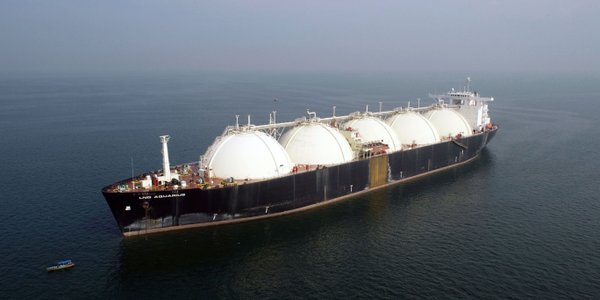
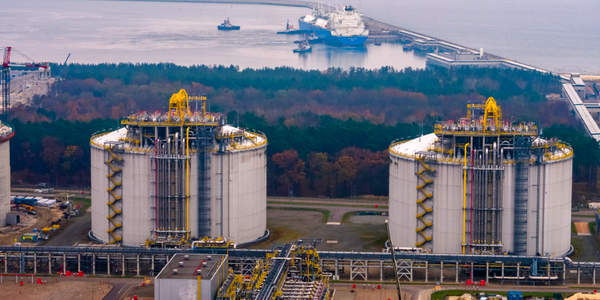
Significant investments in Poland's gas infrastructure, including LNG terminals and cross-border connections, are central to this new energy paradigm. Sławomir Hinc, CEO of Gaz-System, highlighted Poland's transformation from near-total dependence on Russia to a nation with multiple alternative gas sources. The planned expansion of LNG import capacity, including a third FSRU in Gdańsk, aims to secure the domestic market and bolster Poland's role as a supplier to Central and Eastern Europe.
The foundation of a diversified gas market is infrastructure and direct access to raw material producers.
Ukraine, despite being embroiled in a protracted conflict, is also a vital component of this evolving energy landscape. Sergii Koretskyi, head of Naftohaz, stressed that Ukraine's extensive underground gas storage facilities, located near the EU border, could meet up to 20% of Europe's daily gas consumption if needed. The country is also boosting its domestic production, with Naftohaz completing 145 new wells last year. However, Ukraine faces the immense challenge of rebuilding damaged infrastructure and securing capital for future investments.
Our underground gas storage facilities near the EU border can provide up to 20% of the daily gas consumption of European countries if necessary.
DistantNews Editorial
Originally published by Rzeczpospolita in Polish. Translated, summarized, and contextualized by our editorial team with added local perspective. Read our editorial standards.
More Stories

From Our Blog

What Gets Lost (and Found) When News Is Translated

The Critical Role of Diaspora Media in Global News

What Travellers Should Know About Countries with Restricted Press

A Digital Nomad's Guide to Following Local News

How the Same Story Looks Different in Different Countries
