

Europe Considers Voluntary Hormuz Toll, Opposes Mandatory Fees
Translated from Korean, summarized and contextualized by DistantNews.
At a glance
News
Sources not specified
Context piece
- European nations are considering a voluntary service fee for ships transiting the Strait of Hormuz, contingent on international approval.
- This approach aims to enhance maritime safety and environmental protection without imposing mandatory tolls, which are opposed due to potential international law violations.
- The discussions follow U.S. demands for Iran to publicly commit to reopening the strait and ceasing attacks on international shipping.
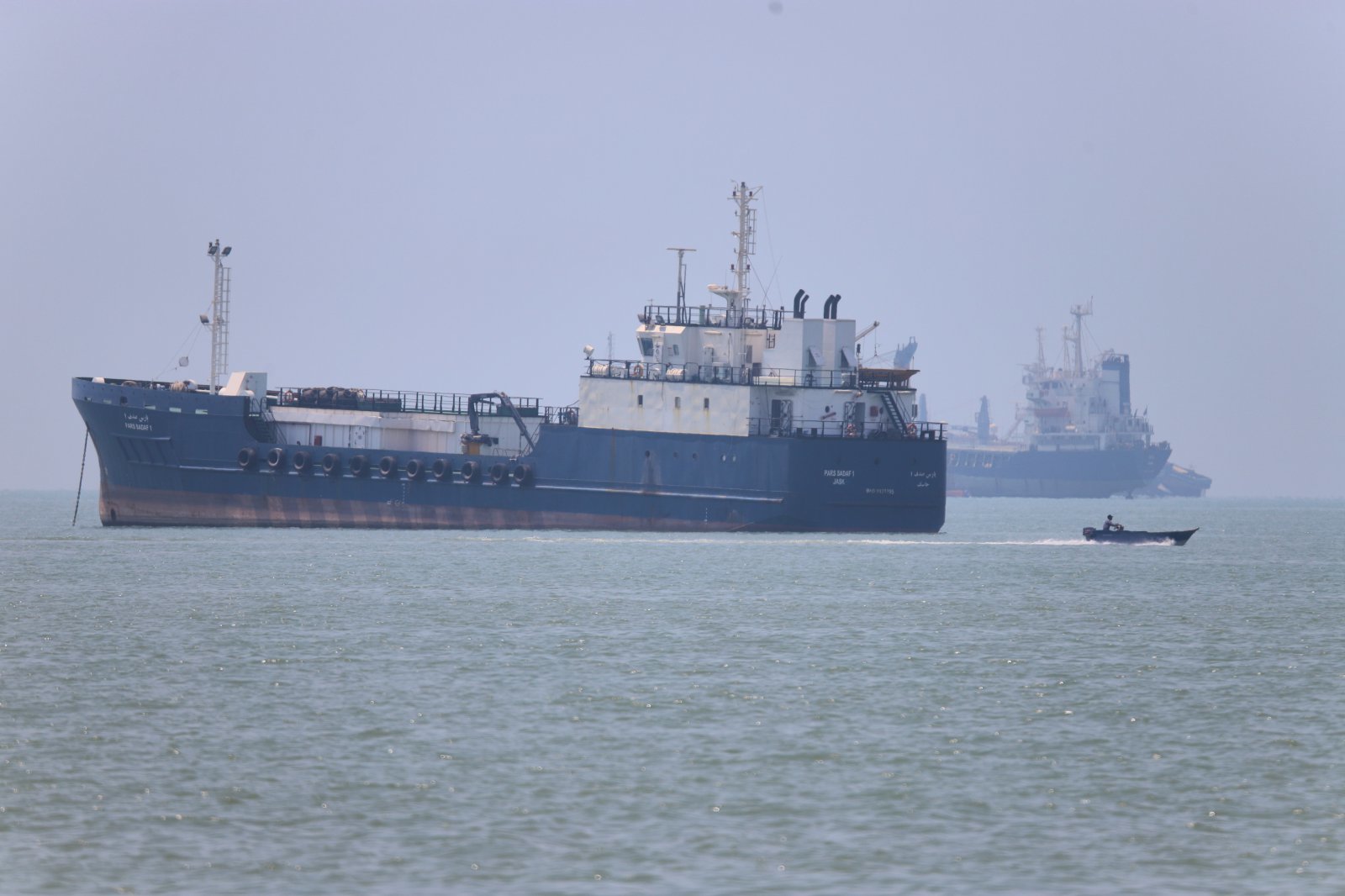
European countries are exploring a "voluntary service fee" for vessels navigating the Strait of Hormuz, a plan that would require approval from international bodies. This initiative aims to bolster safety and environmental measures in the crucial waterway.
The proposed fee would be voluntary, meaning ships would choose whether to contribute to services like navigation assistance and environmental protection. This contrasts with mandatory tolls, which European nations, including the UK, argue could have "disastrous consequences" and violate international law. However, some within the British government see potential in a voluntary system, citing similar arrangements in other straits like the Strait of Malacca and the English Channel.
The discussions occur amid ongoing tensions and U.S. pressure on Iran. Washington is demanding a public commitment from Tehran to reopen the Strait of Hormuz and cease attacks on commercial shipping. The U.S. has been seeking international cooperation to ensure freedom of navigation in the vital global trade route.
disastrous consequences
DistantNews Editorial
Originally published by Dong-A Ilbo in Korean. Translated, summarized, and contextualized by our editorial team with added local perspective. Read our editorial standards.
More Stories


From Our Blog

What Gets Lost (and Found) When News Is Translated

The Critical Role of Diaspora Media in Global News

What Travellers Should Know About Countries with Restricted Press

A Digital Nomad's Guide to Following Local News

How the Same Story Looks Different in Different Countries
