

Europe Faces Russia's Shadow War: Sabotage, Cyberattacks, and Influence Operations Intensify
Translated from Romanian and summarized by DistantNews. Read the original for the full story.
At a glance
Analysis
Sources not specified
Context piece
- Europe is experiencing an increase in covert actions attributed to Russia, such as sabotage and cyberattacks.
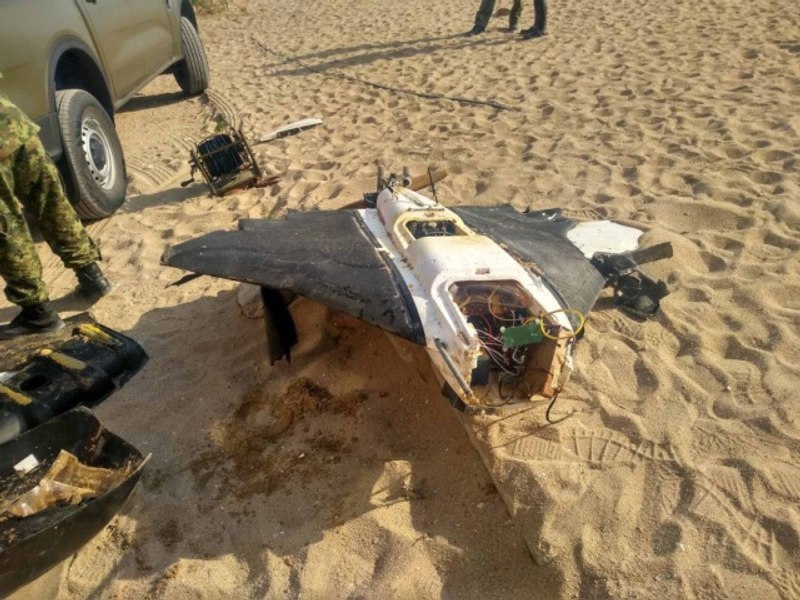
- Recent incidents include a drone found near a Ukrainian cargo plane in Germany and a foiled assassination plot against a German drone company CEO.
- Russia has motives to pressure Europe, especially as its own military efforts in Ukraine face setbacks.
Europe is increasingly alarmed by a surge in clandestine operations attributed to Russia, ranging from sabotage and cyberattacks to influence campaigns and military provocations. These actions exploit European vulnerabilities, as highlighted in a Foreign Policy analysis.
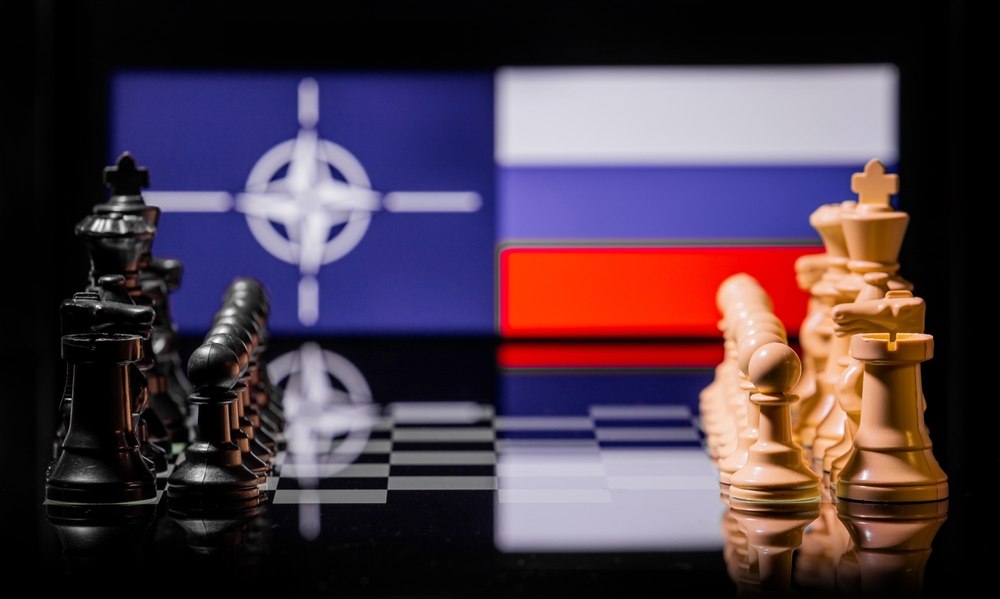
NATO could be put to the test.
Recent incidents underscore the escalating threat. In August alone, a drone laden with explosives was discovered near a Ukrainian cargo plane in Leipzig, Germany. Simultaneously, German authorities thwarted an assassination plot targeting the CEO of a major German drone manufacturer. Near Rome, an explosion destroyed an ammunition factory supplying Ukrainian forces, and a Spanish fighter jet on a NATO mission intercepted a suspected Russian drone entering Romanian airspace.
All of this happened only in the first half of August, Foreign Policy notes.
These events are not isolated. For months, Europe has faced hostile actions, some clearly linked to Russia, aimed at undermining support for Ukraine. Russia has cut undersea cables, jammed GPS signals, and used online recruitment for sabotage operations. Some observers have termed this a "gray zone" war, employing aggressive tactics below the threshold of direct conflict. However, the boldness of these Russian threats suggests the "gray zone" label is increasingly inadequate.
But if Europeans believe that observing the rules of diplomatic courtesy will save them, then they are mistaken.
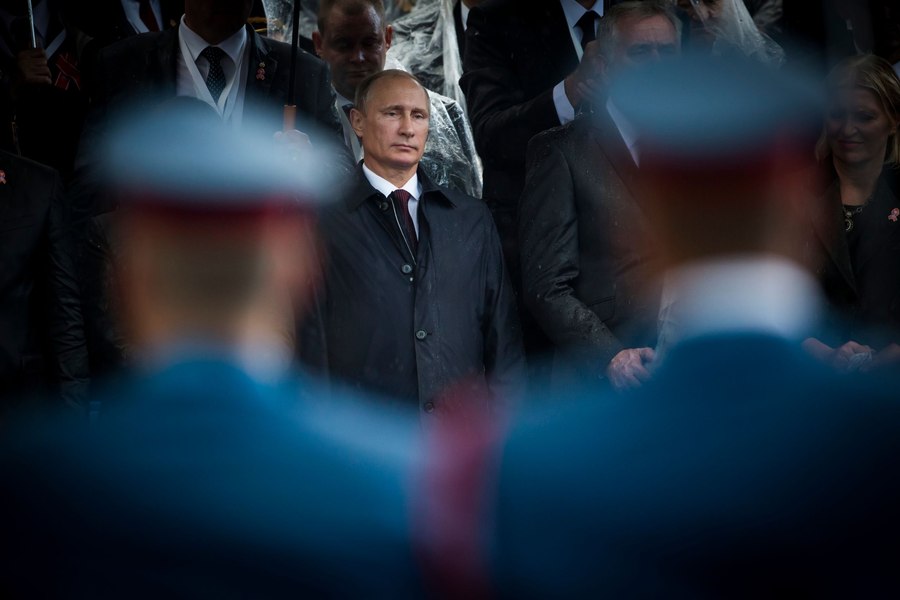
President Vladimir Putin has vowed unspecified retaliation against any nation interfering with Russia's "phantom fleet." Yet, Europe hesitates. German officials, for instance, appear to await definitive proof of Russian involvement in the Leipzig incident before reacting. This cautious approach, aimed at maintaining diplomatic norms, may be misplaced, as Moscow often engineers deniability. Putin has strong reasons to escalate pressure on Europe. After over four years of direct military confrontation in Ukraine, where Russian forces have faced significant setbacks and Ukrainian drones strike deep within Russian territory, intensifying pressure on Europe presents a strategic alternative.
Putin has reasons to intensify pressure on Europe.
About this summary
Originally published by Adevărul in Romanian. Translated, summarized, and contextualized automatically by DistantNews, with a note on how the source frames the story. Not individually reviewed before publishing. How this works.
More Stories
From Our Blog

What Gets Lost (and Found) When News Is Translated

The Critical Role of Diaspora Media in Global News

What Travellers Should Know About Countries with Restricted Press

A Digital Nomad's Guide to Following Local News

How the Same Story Looks Different in Different Countries
