

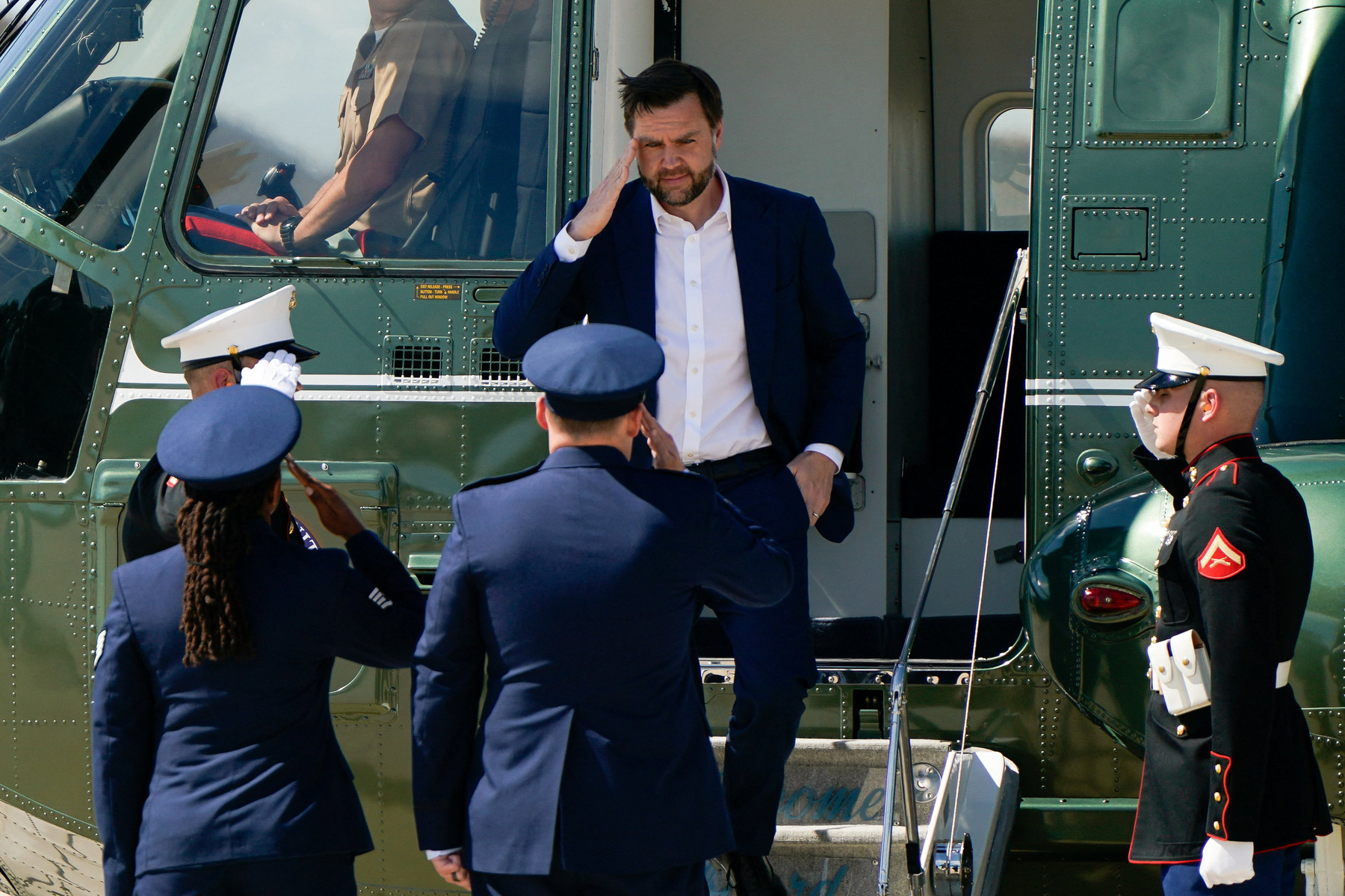

Europe outmaneuvers itself, abandoning security policy
Translated from German, summarized and contextualized by DistantNews.
At a glance
Analysis
Sources not specified
Context piece
- The European Union's common policy on Ukraine and Iran is creating chaos due to conflicting national interests and Brussels institutions.
- This disarray allows the US, Russia, and China to benefit while European leaders are divided.
- Disagreements exist on whether the EU should conduct direct talks with Moscow, with differing opinions from EU Council President Antonio Costa, Ukrainian President Volodymyr Zelenskyy, and German Chancellor Friedrich Merz.
The European Union is undermining its own security policy and becoming irrelevant on the global stage, according to this analysis. National governments, through institutions in Brussels, are creating chaos in the EU's common policy regarding Ukraine and Iran. This internal disarray is allowing major powers like the United States, Russia, and China to capitalize on the situation.
The article questions whether the European Union should engage in direct talks with Moscow concerning the Ukraine war. While EU Council President Antonio Costa has initiated contact, which Ukrainian President Volodymyr Zelenskyy welcomes, German Chancellor Friedrich Merz insists on the leading role of Germany, France, and Great Britain in Ukraine matters, feeling bypassed.
Following recent G7 and EU summits, the landscape of crisis and war diplomacy is described as chaotic. Although Europeans form a majority within the G7 format, they have struggled to formulate a cohesive strategy since Donald Trump's rise to power 17 months ago. This has placed them in constant confrontation with the economically and militarily superior United States.
DistantNews Editorial
Originally published by Der Standard in German. Translated, summarized, and contextualized by our editorial team with added local perspective. Read our editorial standards.
More Stories
From Our Blog

What Gets Lost (and Found) When News Is Translated

The Critical Role of Diaspora Media in Global News

What Travellers Should Know About Countries with Restricted Press

A Digital Nomad's Guide to Following Local News

How the Same Story Looks Different in Different Countries
