

Talk to Putin! The chance for peace is higher than it has been since 2022
Translated from German, summarized and contextualized by DistantNews.
At a glance
Analysis
Sources not specified
Context piece
- The Ukraine war, now longer than WWI, has resulted in hundreds of thousands of deaths and a costly stalemate.
- Ukraine's technological edge, particularly drones, has helped it hold the front but it is bleeding resources.
- Despite Ukraine's offer for direct talks, Putin remains entrenched, believing he can still achieve battlefield objectives.
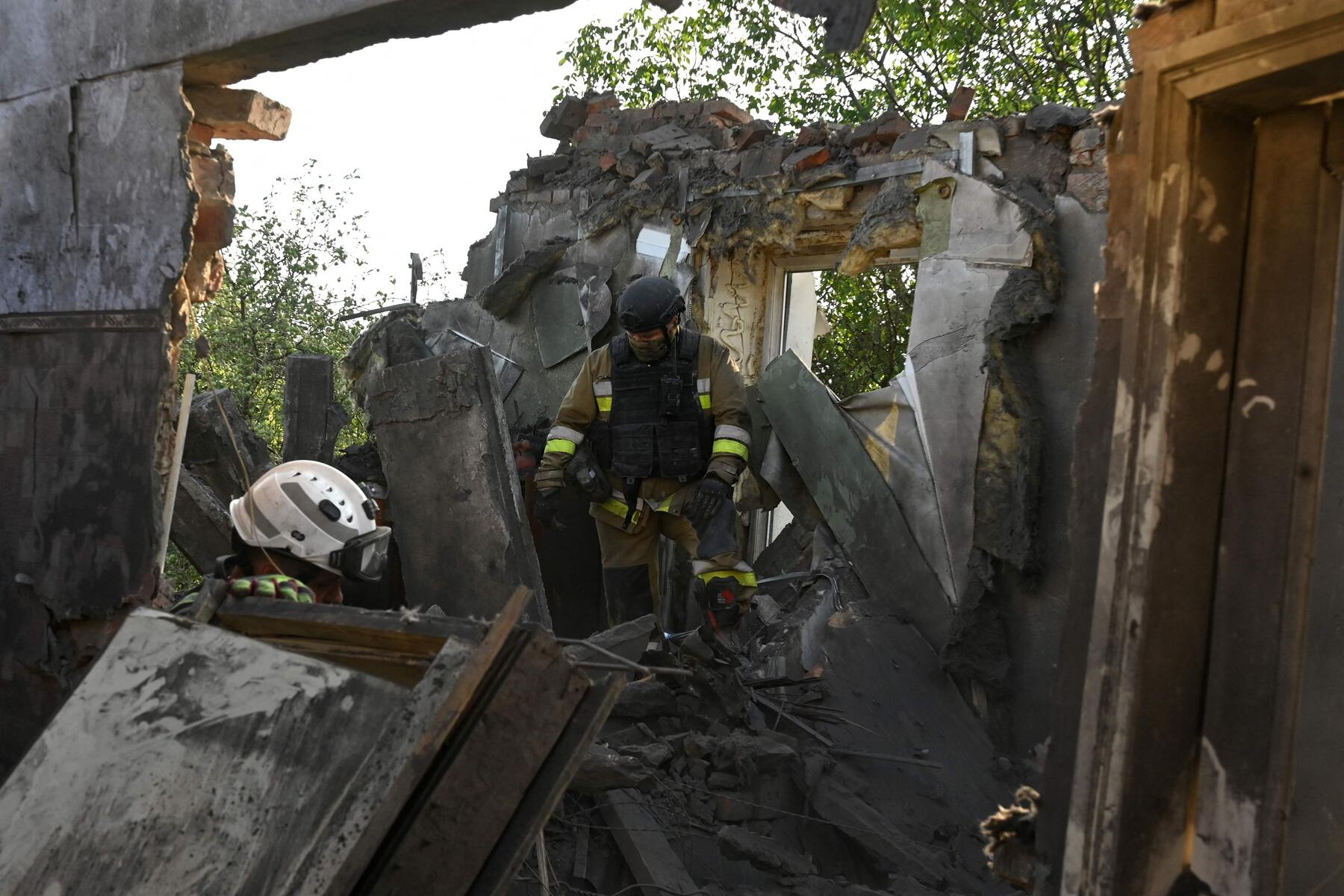
The war in Ukraine has surpassed the duration of World War I, lasting over 1568 days and resulting in catastrophic losses with hundreds of thousands of casualties on both sides. Russia is now losing more soldiers than it can recruit, while Ukraine, despite its technological advantages and innovative drone warfare that has kept the front lines stable and enabled long-range strikes into Russia, is facing severe attrition. The author argues that Ukraine is bleeding out and that reclaiming the Donbas or Crimea remains an illusion.
Sorry, Kaja Kallas, but what is the point of an EU foreign representative that nobody wants to talk to?
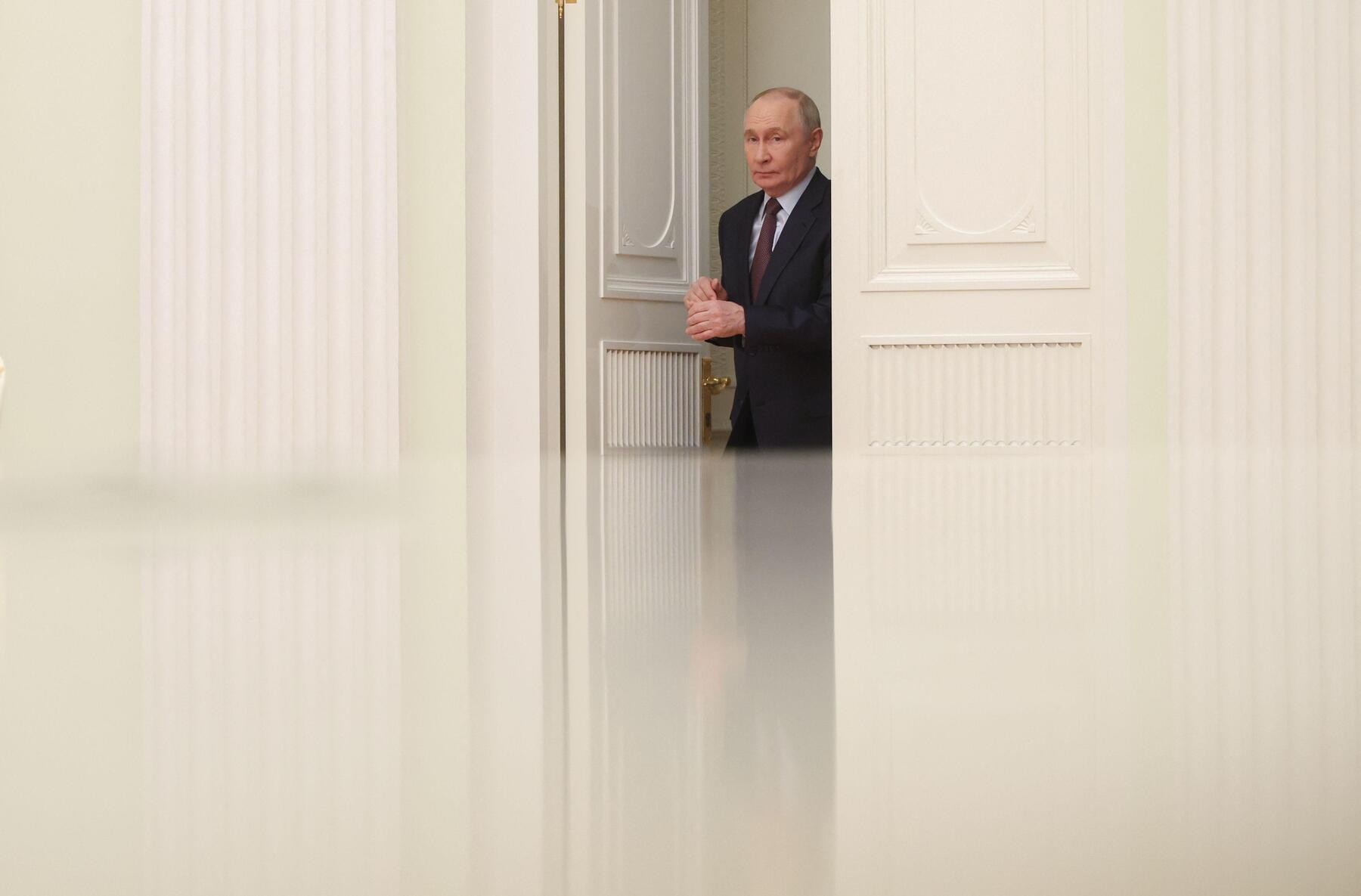
A costly war of attrition has emerged, with minimal territorial gains for either side. This painful stalemate, the article suggests, creates an opportune moment for a ceasefire. Ukraine's President Volodymyr Zelenskyy recognized this potential window and offered direct negotiations to Russian President Vladimir Putin in early June. However, Zelenskyy's tone, which reportedly included warnings about Putin's endangered power if the war continued, was not conducive to a positive reception from the Kremlin, leading Putin to reject the offer.
Putin, contrary to evidence, appears convinced he can still achieve his objectives on the battlefield, which is the primary obstacle to peace. He is currently exploiting gaps in Ukraine's air defenses. Meanwhile, criticism of the war is growing within Russia due to a poor economy and high inflation, which could eventually pressure even an autocrat. The article questions the effectiveness of EU foreign policy, specifically mentioning Kaja Kallas, the EU's High Representative for Foreign Affairs and Security Policy, asking what purpose such a role serves if no one is willing to speak with the designated official.
The Russian president is still convinced, against all evidence, that he can achieve his goals on the battlefield.
Europe senses a peace opportunity, but diplomatic efforts have been clumsy and uncoordinated. Germany, France, and Britain have reached out to Moscow, only to alienate Poland, which feels excluded. Similarly, an initiative by EU Council President António Costa was met with disapproval from some member states, particularly the Baltics, who prefer not to engage with Putin at all. The author contends that dialogue is essential to understand Putin's current mindset, even if it involves engaging with figures like Kallas, who is persona non grata in Moscow and has strained relations with Israel.
In this war, there is nothing more to gain.
DistantNews Editorial
Originally published by Die Presse in German. Translated, summarized, and contextualized by our editorial team with added local perspective. Read our editorial standards.
More Stories

From Our Blog

What Gets Lost (and Found) When News Is Translated

The Critical Role of Diaspora Media in Global News

What Travellers Should Know About Countries with Restricted Press

A Digital Nomad's Guide to Following Local News

How the Same Story Looks Different in Different Countries
