


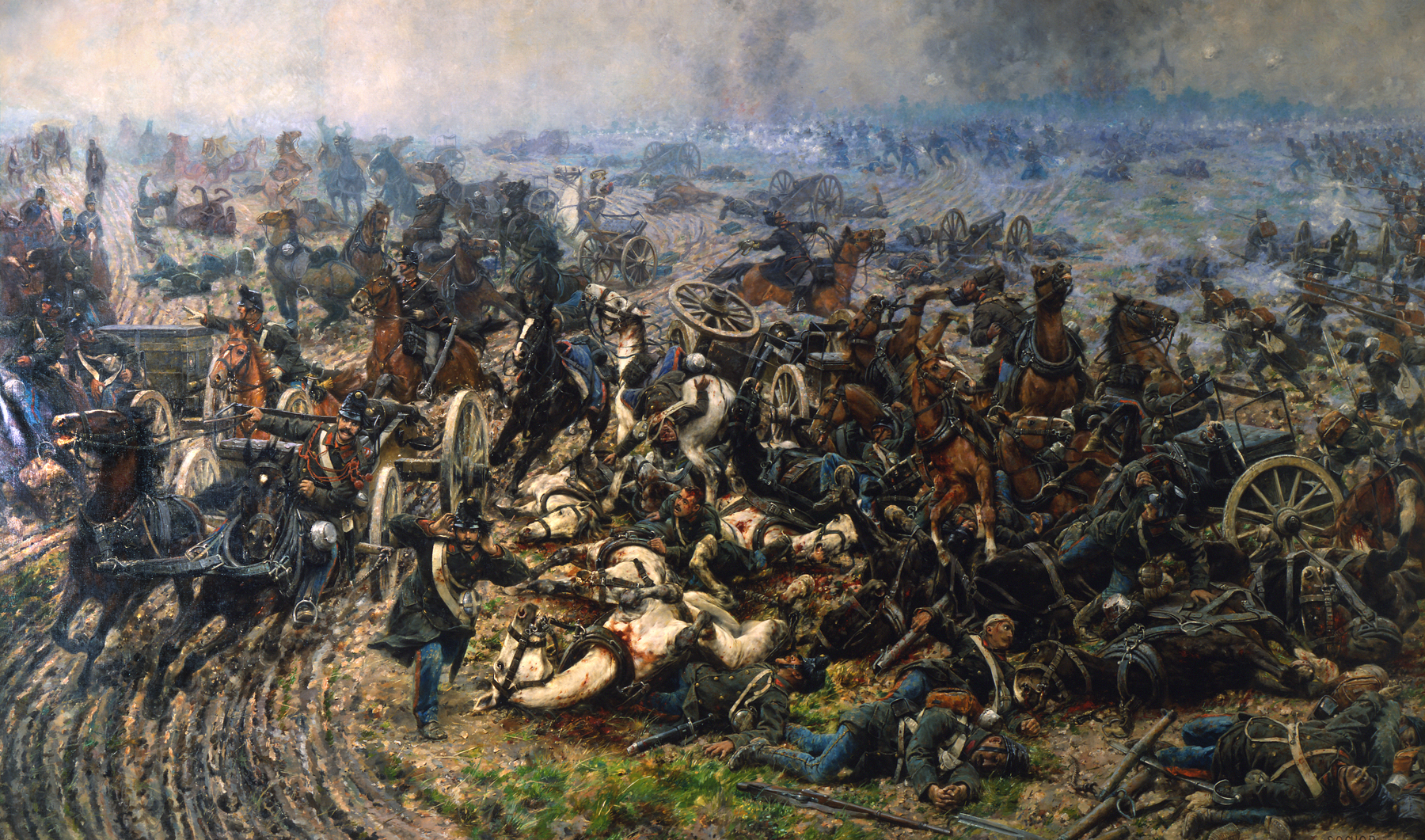
Königgrätz: How Outdated Tactics Met Rapid-Fire Warfare 160 Years Ago
Translated from German, summarized and contextualized by DistantNews.
At a glance
Analysis
Sources not specified
Outcome reported
- The Battle of Königgrätz, fought 160 years ago, was a pivotal clash between Prussian and Austrian forces in Bohemia.
- Prussian victory, aided by the needle gun's rapid firing capability and superior tactics, led to Austria's defeat in the Austro-Prussian War.
- The battle highlighted the obsolescence of traditional warfare tactics against modern weaponry and training.
160 years ago, on July 3, 1866, the Battle of Königgrätz raged near Hradec Králové in Bohemia, pitting 221,000 Prussian soldiers against 215,000 Imperial and 22,000 Saxon allies. The day concluded with a devastating defeat for the Austro-Hungarian Nordarmee, a turning point in the seven-week war for dominance in Central Europe.
The battle became synonymous with military disaster, with blame often placed on the Prussian needle gun. This breech-loading rifle allowed Prussian soldiers to fire three to five times faster than their Austrian counterparts, who used the muzzle-loading Lorenz rifle. While the Lorenz rifle was easier to handle, the needle gun's rate of fire, combined with outdated Austrian tactics, proved decisive. The Imperial army still waged war as if it were the Napoleonic era, advancing in dense columns for close-quarters combat, a strategy that proved suicidal against the rapid-fire Prussian weaponry and superior training.
Austrian commanders lamented the situation, with one noting the shame associated with seeking cover, leading soldiers to stand and be shot down. This mentality, while common in Europe at the time, was ill-suited for the new era of warfare. The staggering losses of World War I would eventually force a shift in military thinking. Königgrätz should have served as a stark lesson that technological advancements had rendered frontal assaults obsolete, a point underscored by earlier defeats suffered by individual Austrian corps in the days leading up to the main battle.
DistantNews Editorial
Originally published by Die Presse in German. Translated, summarized, and contextualized by our editorial team with added local perspective. Read our editorial standards.
More Stories


From Our Blog

What Gets Lost (and Found) When News Is Translated

The Critical Role of Diaspora Media in Global News

What Travellers Should Know About Countries with Restricted Press

A Digital Nomad's Guide to Following Local News

How the Same Story Looks Different in Different Countries
