


Europe's Defense Strength Lies in Citizens, Not Just Arms
Translated from Romanian, summarized and contextualized by DistantNews.
At a glance
In-depth
Named sources
Context piece
- European nations are increasing defense investments due to the war in Ukraine, with a growing emphasis on citizen involvement.
- Security experts highlight that modern warfare targets not just military infrastructure but also critical civilian systems like energy, communications, and transport.
- Countries like Sweden, Estonia, and Lithuania are developing civil defense programs, training citizens for roles in crisis communication, cyber defense, and logistics.
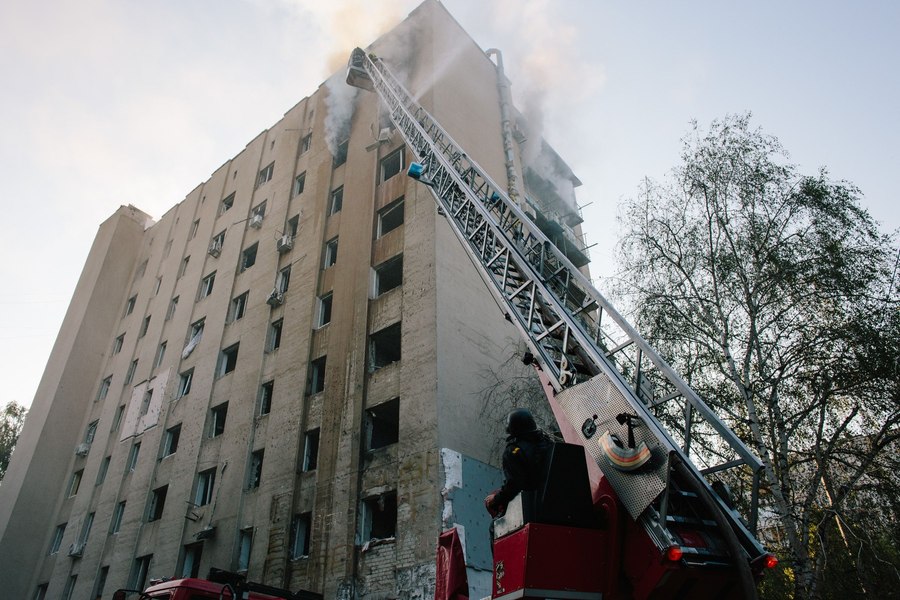
As European nations bolster defense spending amid the war in Ukraine, a crucial resource is gaining prominence: citizen involvement. Security experts emphasize that modern conflicts extend beyond traditional battlefields, targeting essential civilian infrastructure such as energy grids, communication networks, and transportation systems.
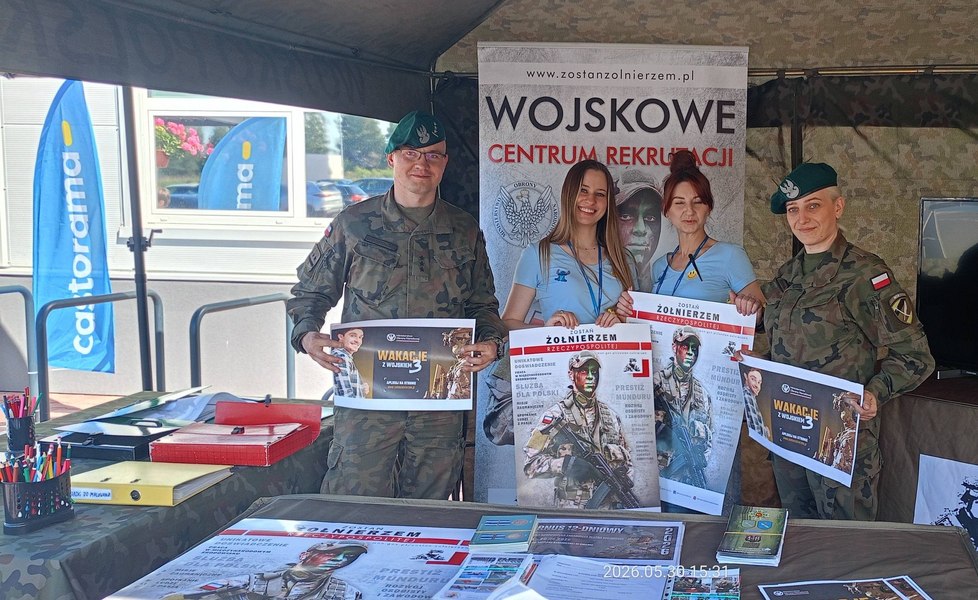
In Scandinavia and the Baltic region, thousands are joining civil defense programs, support units, and volunteer structures. These initiatives, while not directly involving combat, are deemed vital for maintaining essential services during major crises. Sweden exemplifies this with its Volunteer Motorcyclist Corps, training civilians as couriers to transport information between institutions if digital communications fail. Over 250 volunteers have completed this training, with more participating in radio communications, service dog training, and logistical support for the armed forces.
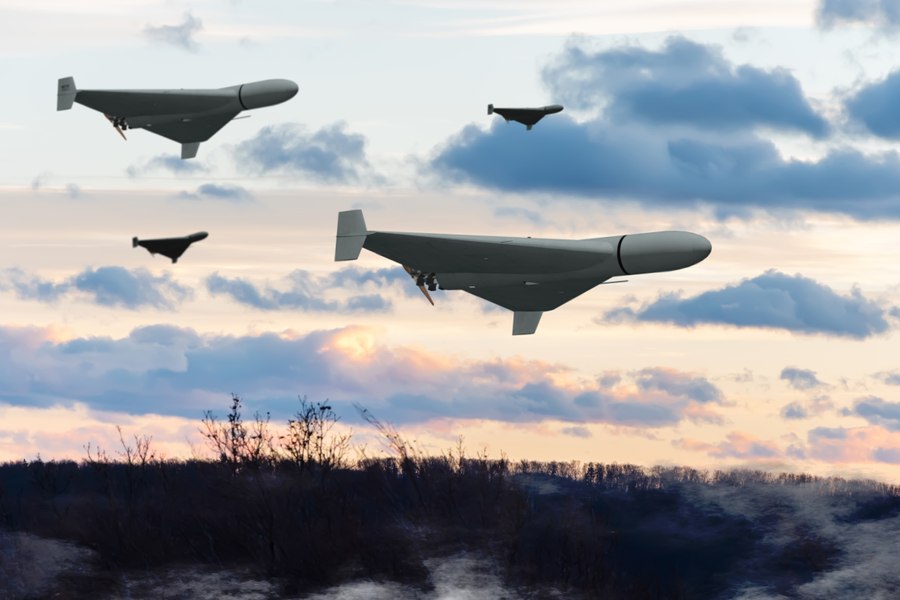
Estonia is engaging IT specialists in cyber defense units and teaching practical survival skills to youth. Lithuania involves citizens in drone construction and operation. Poland's "W Gotowości" program trains approximately 400,000 citizens in military preparedness and other essential skills. These efforts underscore a broader European shift towards a comprehensive civil defense model, integrating professionals from critical sectors to ensure societal resilience.
Elisabeth Braw, a Swedish security expert at the Atlantic Council, argues that this citizen engagement is as vital as weaponry. The ability of civil society to sustain essential services is paramount when state institutions and armed forces face unprecedented challenges. This focus on preparedness aims to build a more robust defense posture, acknowledging that national security relies heavily on the collective capacity of its citizens.
Modern wars no longer target exclusively the military field. Energy networks, communications, computer systems, transport and public services have become strategic targets.
DistantNews Editorial
Originally published by Adevărul in Romanian. Translated, summarized, and contextualized by our editorial team with added local perspective. Read our editorial standards.
More Stories

From Our Blog

What Gets Lost (and Found) When News Is Translated

The Critical Role of Diaspora Media in Global News

What Travellers Should Know About Countries with Restricted Press

A Digital Nomad's Guide to Following Local News

How the Same Story Looks Different in Different Countries
