

Europe's Drinking Water Supply on Brink of Collapse Amid Severe Shortages
Translated from Hungarian, summarized and contextualized by DistantNews.
At a glance
News
Sources not specified
Context piece
- Europe faces a critical water shortage due to intensive agricultural irrigation and unsustainable water usage, depleting underground aquifers.
- Many EU countries are implementing drastic water restrictions, including bans on car washing and garden watering, with penalties for violations.
- The problem has spread to traditionally wetter regions like the UK, prompting infrastructure development and legal prioritization of water use for human consumption over industry.
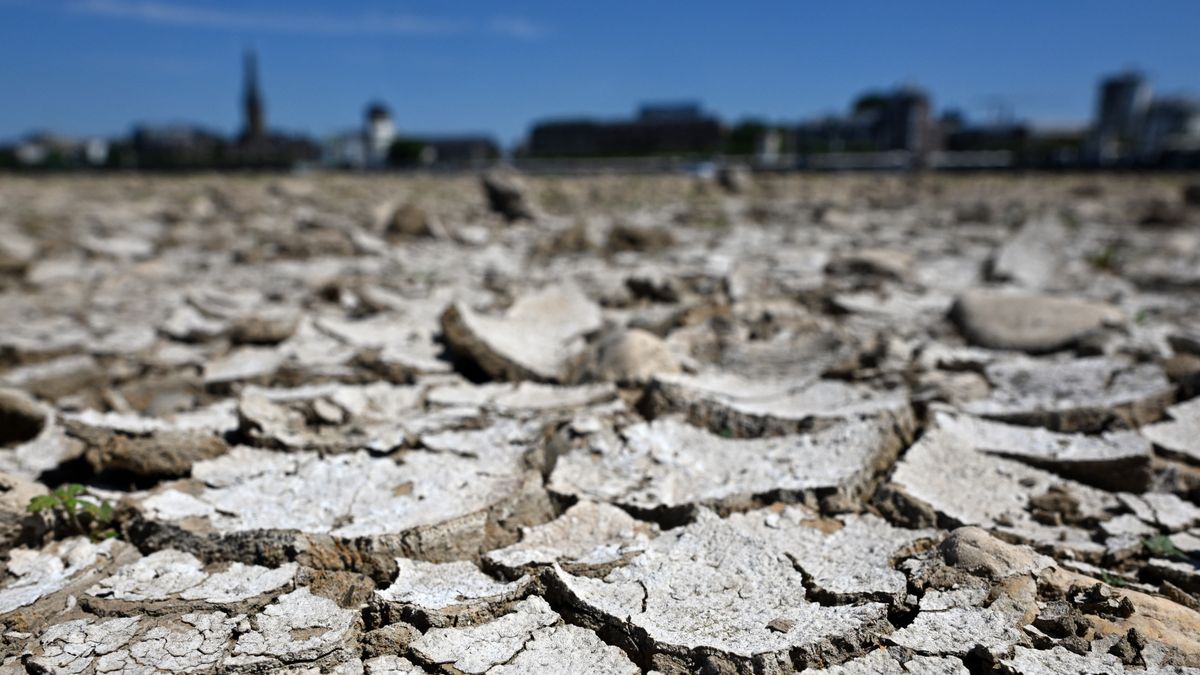
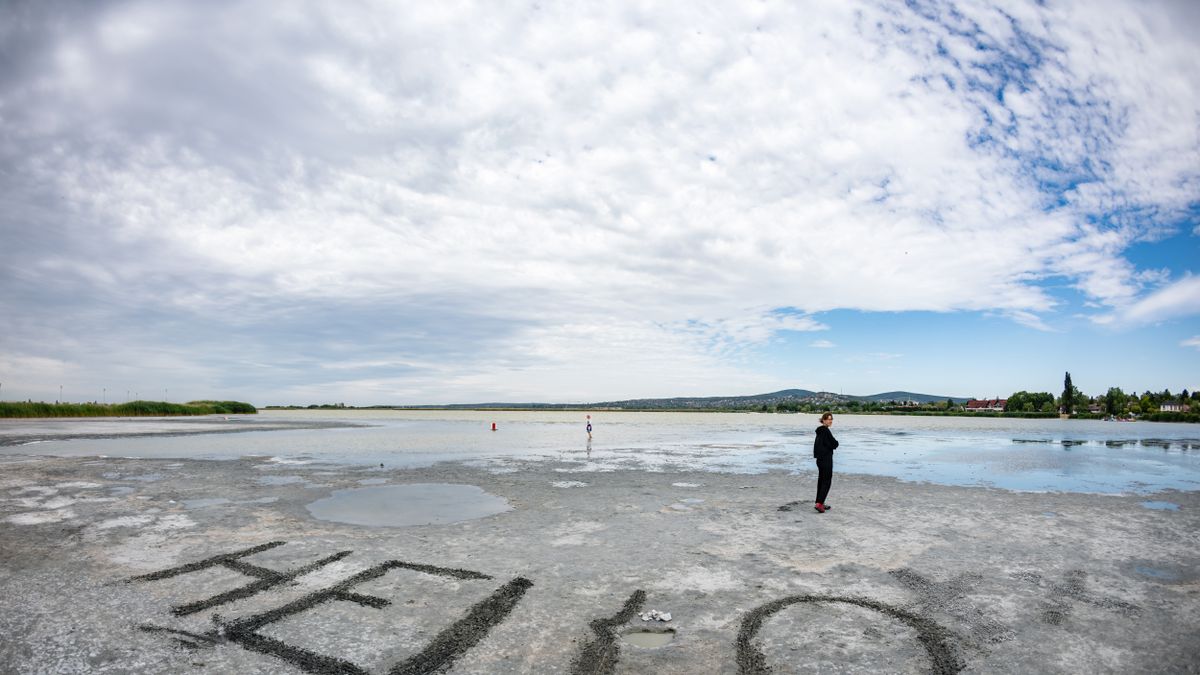
Europe is confronting a severe water crisis, with underground water reserves critically depleted by intensive agricultural irrigation and unchecked water consumption. Farmers are increasingly drawing water from illegal or unregulated deep wells, exacerbating the global decline in groundwater levels. International analyses indicate that over 20% of the continent's underground water resources are in poor quantitative or chemical condition due to excessive use.
As underground basins empty, they become compacted, reducing their capacity to absorb and store rainwater even when it arrives. This structural waste creates an unsustainable situation, particularly during heatwaves that further intensify drought conditions. The situation is so dire that many EU member states are forced to implement drastic and unpopular measures to avert complete desiccation.
In Southern France and parts of Spain, local authorities have permanently integrated gradual water restriction levels into their legal systems. During critical periods, activities like washing cars, filling private swimming pools, and watering lawns during daylight hours are strictly prohibited and heavily fined. Drones and smart meters are increasingly used for monitoring compliance, with violators facing thousands of euros in fines.
Barcelona and surrounding Catalan areas have developed emergency plans that include reducing water pressure in residential taps and potentially suspending services for several hours. The problem is no longer confined to arid regions, having reached traditionally wetter northern areas. The UK's Environment Agency has issued a stark warning: England may be unable to meet its own drinking water needs within 25 years if radical changes are not made, citing growing population and climate change.
In response, the British government has launched a major infrastructure program to build nine new large reservoirs, an unprecedented undertaking in decades. Germany and Belgium are also enacting laws to regulate water use during droughts, establishing priority rights. These legal frameworks consistently place human consumption at the top of the list, signaling potential temporary restrictions on industrial production. The European Commission recognizes that localized measures are insufficient, acknowledging the impending catastrophe.
DistantNews Editorial
Originally published by Magyar Nemzet in Hungarian. Translated, summarized, and contextualized by our editorial team with added local perspective. Read our editorial standards.
More Stories
From Our Blog

Countries Without a Free Press: What You Need to Know

What Press Freedom Means for the News You Read

What Gets Lost (and Found) When News Is Translated

The Critical Role of Diaspora Media in Global News

What Travellers Should Know About Countries with Restricted Press
