


Europe’s NATO members need a shared nuclear deterrent
Translated from Finnish and summarized by DistantNews. Read the original for the full story.
At a glance
Opinion
Sources not specified
Context piece
- The editorial argues that European NATO members need to assume greater responsibility for nuclear deterrence while continuing to rely on the United States’ nuclear umbrella.
- It says Britain and France could potentially double their combined nuclear warhead stockpile to more than 1,000 if allies directed part of increased defense spending into a common NATO fund.
- The proposal could include jointly developed missiles offered to allies while remaining under British and French control, which the editorial says would comply with the Nuclear Non-Proliferation Treaty.
Europe’s NATO members are preparing to spend far more on conventional defense, but that shift would not remove their reliance on the United States’ nuclear deterrent, the editorial argues. Instead, it says Europe must reconsider how much of its own nuclear protection it can provide.
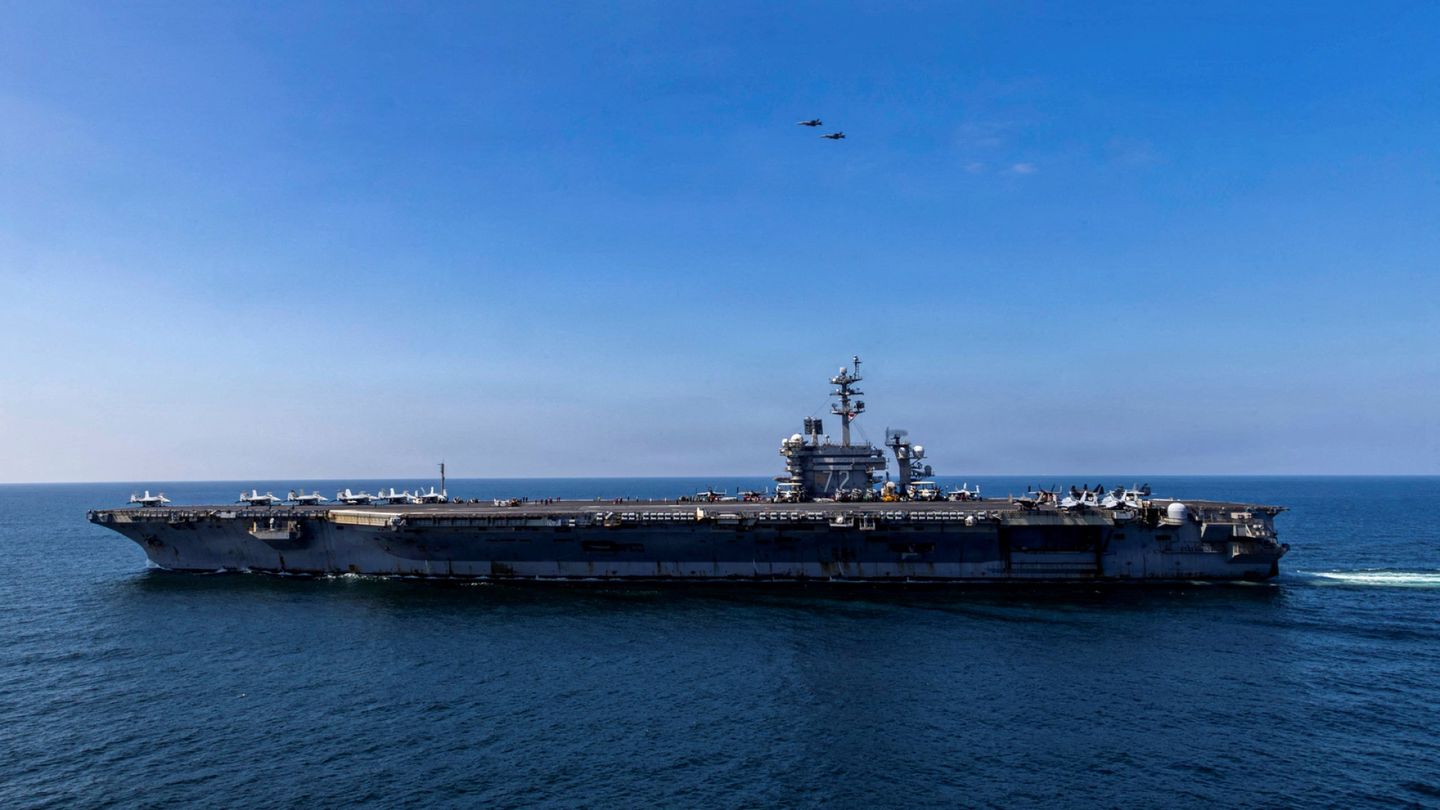
The United States has placed about 150 nuclear bombs in Europe in response to the Russian threat. Britain and France add a European nuclear pillar with more than 500 warheads. Yet Washington’s commitment to NATO is described as uncertain as U.S. policy moves away from solidarity under Article 5 and toward bilateral, reciprocal arrangements.
That uncertainty raises a direct question for European governments: if conventional defense guarantees are questioned, how credible is the nuclear umbrella that accompanies them? The editorial points to Russia’s large arsenal under President Vladimir Putin, including roughly 1,500 tactical nuclear weapons. It says Russia regularly threatens opponents with nuclear strikes and has brought nuclear war back into its military exercises, despite problems modernizing its arsenal.
Cost has long been seen as the main obstacle to strengthening Europe’s nuclear deterrent. The editorial argues that rising defense budgets could change that calculation. European NATO members pledged at last year’s summit in The Hague to increase defense spending by hundreds of billions of euros in the coming years. Britain and France already plan to spend about €135 billion modernizing their nuclear systems.
The proposed model would direct part of the allies’ additional defense spending into a common NATO fund. That could allow Britain and France to double their nuclear forces to more than 1,000 warheads and create new options for NATO’s nuclear strategy.
The editorial also outlines possible weapons cooperation. France is developing an air-launched cruise missile with greater range and stealth, while Britain and France could jointly develop a new missile using a British variable-yield warhead and compatibility with allied fighter aircraft. The weapons could remain under British control, allowing the arrangement to comply with the Nuclear Non-Proliferation Treaty. Existing frameworks include the 2010 Lancaster House treaties and the 2025 Northwood declaration.
About this summary
Originally published by Helsingin Sanomat in Finnish. Translated, summarized, and contextualized automatically by DistantNews, with a note on how the source frames the story. Not individually reviewed before publishing. How this works.
More Stories

From Our Blog

What Gets Lost (and Found) When News Is Translated

The Critical Role of Diaspora Media in Global News

What Travellers Should Know About Countries with Restricted Press

A Digital Nomad's Guide to Following Local News

How the Same Story Looks Different in Different Countries
