


Europe's Rivers Drying Up Amid Severe Drought, Sparking Transport and Water Rationing Fears
Translated from Polish, summarized and contextualized by DistantNews.
At a glance
News
Sources not specified
Context piece
- Europe is experiencing severe drought, causing critically low water levels in major rivers like the Rhine.
- Germany has launched a new water resource monitoring system (NIWIS) to manage the crisis.
- Low water levels disrupt industrial transport, impact production, and raise concerns about water rationing, with experts warning of a repeat of the 1976 drought.
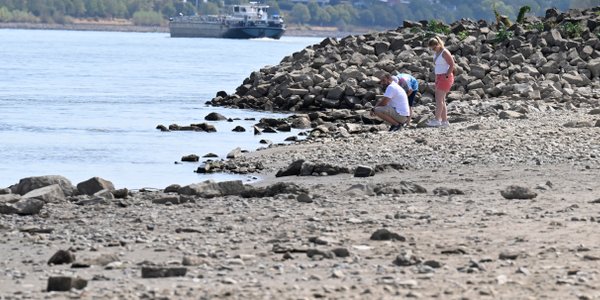
Europe is grappling with a severe drought that is causing water levels in major rivers, including Germany's Rhine, to plummet. This critical situation is significantly hindering industrial transport, affecting manufacturing operations, and heightening the risk of water shortages.
Germany has responded by implementing a new nationwide water level information system, NIWIS. Launched in July, this platform consolidates daily data on river levels, groundwater, and soil moisture from various sources. The system aims to improve water resource management in the face of escalating climate change impacts.
"Water is our most precious resource," stated German Environment Minister Carsten Schneider, emphasizing the need for protection. He warned that inaction could lead to severe economic consequences, estimating potential losses of up to 625 billion euros by 2050, approximately 25 billion euros annually. Over the past 25 years, Germany has lost an estimated 60 billion cubic meters of water due to climate change, making water availability a key factor for investment decisions.
The low water levels on the Rhine are already impacting German industry. Companies like Thyssenkrupp Steel have reported reduced production due to difficulties in receiving raw materials and have suspended their own barge operations. The situation is particularly dire in the Kaub region, where water levels dropped to just 29 centimeters in late July, nearing the record low of 25 centimeters set in October 2018. While a slight increase was observed in Cologne, forecasts remain pessimistic, with no significant rainfall expected in western Germany in early August. Experts caution that the current conditions are alarmingly similar to the dry summer of 1976.
DistantNews Editorial
Originally published by Rzeczpospolita in Polish. Translated, summarized, and contextualized by our editorial team with added local perspective. Read our editorial standards.
More Stories

From Our Blog

What Gets Lost (and Found) When News Is Translated

The Critical Role of Diaspora Media in Global News

What Travellers Should Know About Countries with Restricted Press

A Digital Nomad's Guide to Following Local News

How the Same Story Looks Different in Different Countries
