

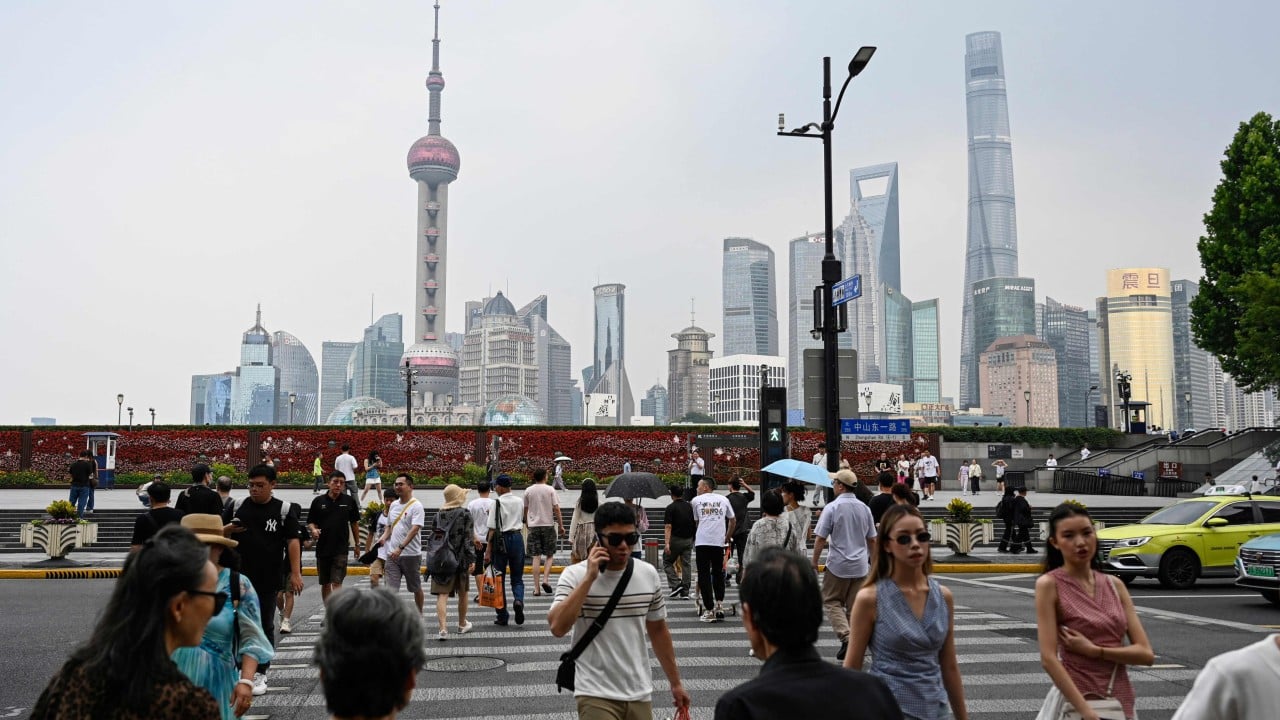
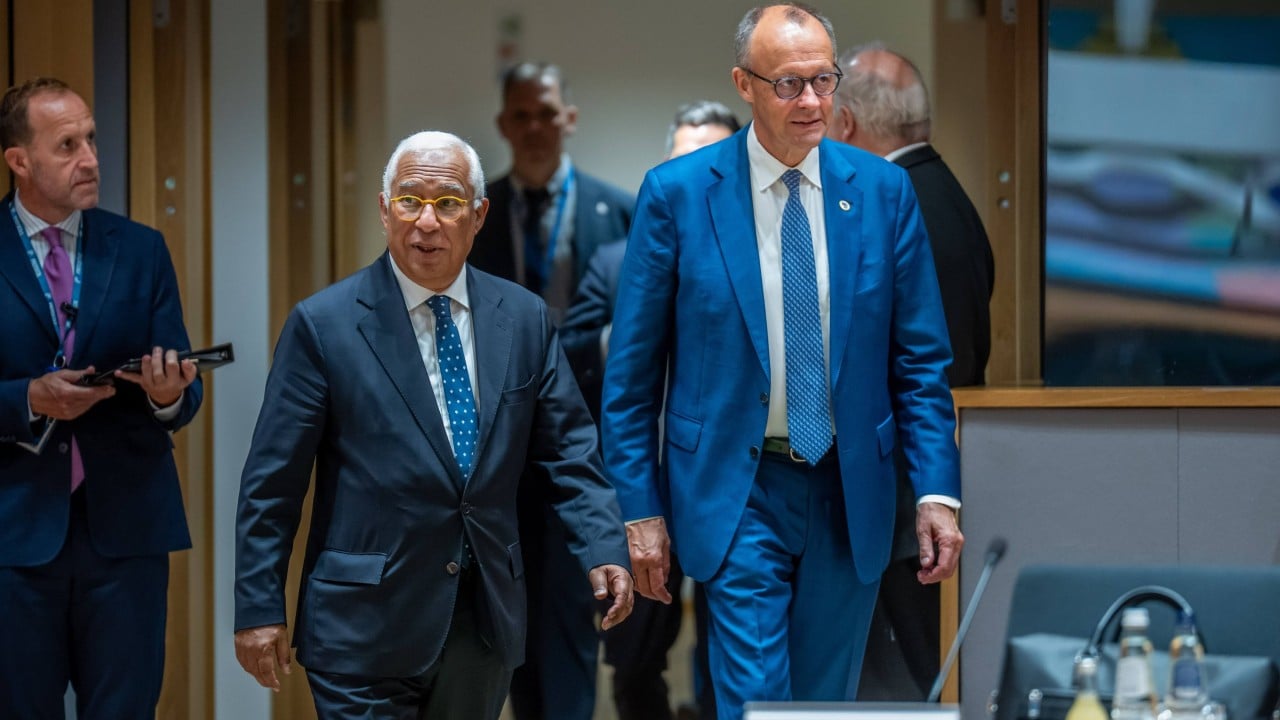
Europe wants a new Plaza Accord for China – seriously?
Summarized and contextualized by DistantNews.
At a glance
News
Sources not specified
Context piece
- G7 leaders failed to agree on a united front against China's economic practices at their recent summit in France.
- Instead of a joint plan, the summit produced milder statements calling for cooperation on critical minerals and balanced growth, without naming China.
- The EU blames China's trade surplus and undervalued yuan for its economic problems, but doubts remain about the G7's ability to counter these issues.
Leaders of the G7 rich nations convened in France hoping to present a united front against China's economic influence. However, the summit was overshadowed by global conflicts and a strained relationship with the US President, leading to a "lacklustre gathering" that failed to produce a public agreement on addressing the "China shock 2.0." This phenomenon refers to alleged overcapacity and currency manipulation by China, resulting in a flood of Chinese exports into Europe.
global imbalances
Instead of a decisive joint plan, the summit's statements were notably milder. They called for Group of Seven cooperation to reduce reliance on foreign supply chains for critical minerals and to support "balanced, durable and resilient growth" against "global imbalances." While China was not explicitly named, it was clearly the intended target of these discussions.
The European Union, an unofficial member of the G7, appears to have reached a consensus: China's economic practices are the root cause of their problems. Evidence cited includes China's trade surplus reaching $1.19 trillion last year and a significant year-on-year increase in shipments to Germany, while imports from Germany to China saw only a marginal rise.
China shock 2.0
Despite the EU's strong stance and threats, the article questions their effectiveness. It notes that if the US failed to reverse "China shock 1.0" during Donald Trump's first term, a weakened EU or even the G7 would likely struggle to achieve better results. German Chancellor Friedrich Merz has voiced strong support for a tough EU approach, accusing China not only of dumping goods due to overcapacity but also of undervaluing the yuan by a substantial 30 percent, a figure significantly higher than the International Monetary Fund's estimate of 15 to 16 percent.
the yuan is undervalued by a whopping 30 per cent
DistantNews Editorial
Originally published by South China Morning Post. Summarized and contextualized by our editorial team with added local perspective. Read our editorial standards.
More Stories

From Our Blog

Countries Without a Free Press: What You Need to Know

What Press Freedom Means for the News You Read

What Gets Lost (and Found) When News Is Translated

The Critical Role of Diaspora Media in Global News

What Travellers Should Know About Countries with Restricted Press
