


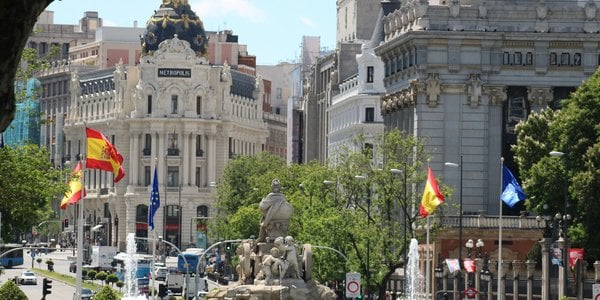
European Cities Lack Trees to Combat Heatwaves, Study Finds
Translated from Polish, summarized and contextualized by DistantNews.
At a glance
News
Documents & data
Context piece
- Over four out of five buildings in 25 European cities lack sufficient surrounding trees to mitigate heatwaves, according to an Australian university study.
- The research highlights that this issue affects not only southern Europe but also major cities in the UK, France, Italy, and Germany.
- The lack of urban greenery exacerbates the problem of heat islands, posing a significant challenge for city dwellers during extreme temperatures.
A significant portion of buildings in major European cities are inadequately prepared for rising temperatures due to a lack of surrounding trees. An analysis by researchers at RMIT University in Australia found that more than 80% of homes and workplaces in 25 European cities have insufficient greenery nearby to cool them during heatwaves.
The study reveals that this problem is widespread, impacting cities across the continent, including those in the United Kingdom, France, Italy, and Germany, not just the traditionally hotter southern regions. This deficiency in urban vegetation contributes to the urban heat island effect, where city environments become significantly warmer than surrounding rural areas.
As heatwaves become more frequent and intense due to climate change, the lack of natural cooling elements like trees in urban settings poses a growing risk to public health and well-being. The findings underscore the urgent need for increased urban greening initiatives to create more resilient and livable cities.
DistantNews Editorial
Originally published by Rzeczpospolita in Polish. Translated, summarized, and contextualized by our editorial team with added local perspective. Read our editorial standards.
More Stories
From Our Blog

What Gets Lost (and Found) When News Is Translated

The Critical Role of Diaspora Media in Global News

What Travellers Should Know About Countries with Restricted Press

A Digital Nomad's Guide to Following Local News

How the Same Story Looks Different in Different Countries
