

EVN returns to profit, but experts warn of power supply and investment pressures
Translated from Vietnamese, summarized and contextualized by DistantNews.
At a glance
News
Named sources
Context piece
- Vietnam Electricity (EVN) has returned to profitability after years of financial difficulties, but experts warn of significant pressures on ensuring power supply and future investment.
- Experts highlight the need for a balanced risk-sharing mechanism in the electricity market, moving beyond just EVN's profitability to ensure fair benefits for all stakeholders.
- The energy transition requires substantial investment and a stable, transparent policy environment, with upcoming revisions to the Electricity Law aimed at addressing investment hurdles, particularly for renewable energy in Northern Vietnam.
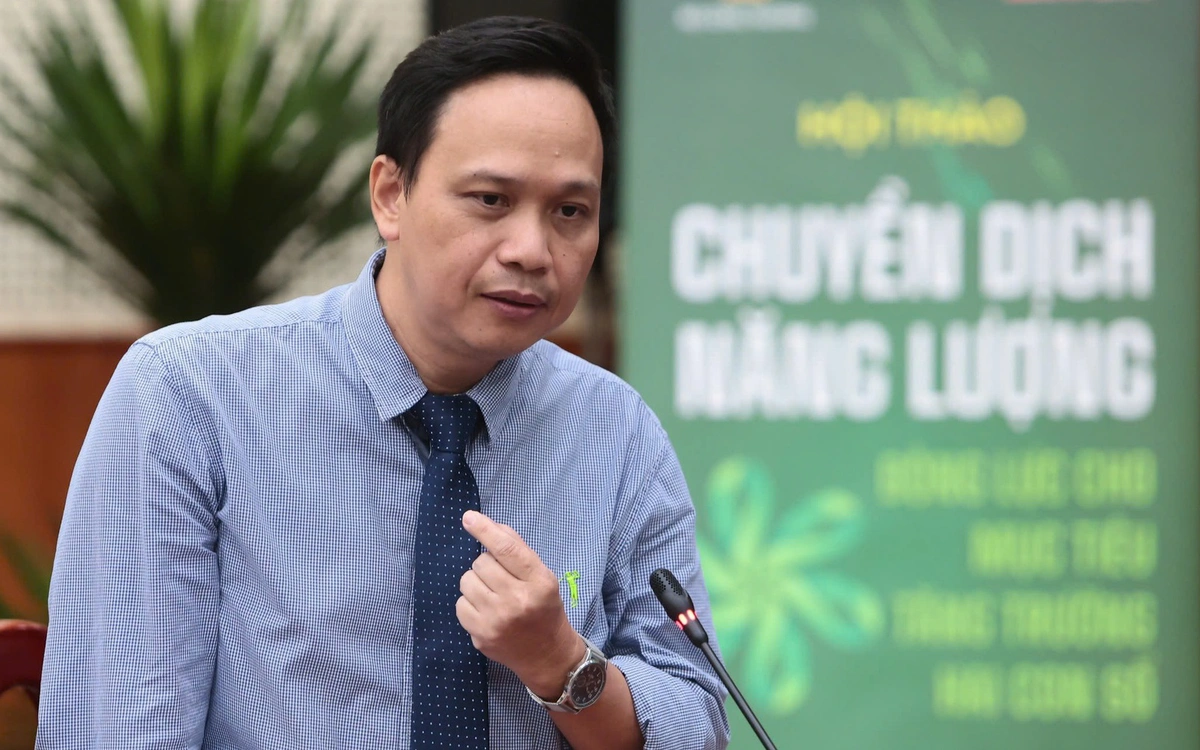
Vietnam Electricity (EVN) has reported a return to profitability, a welcome sign after years of financial struggles. However, experts caution that this financial recovery masks ongoing challenges in maintaining a stable power supply and securing the necessary investments for the future. Dr. Nguyen Quoc Viet, a lecturer at the National Economics University in Hanoi, emphasized that while EVN's profitability is positive news, significant pressures remain regarding financial balance, power supply security, and future infrastructure development.
We are all happy that EVN is profitable again. However, behind that story, there are still very big pressures related to financial balance, ensuring power supply, and the need for investment in the future power system.
Dr. Viet pointed out that the core issue lies in establishing a fair and balanced risk-sharing mechanism within the electricity market. The focus should not solely be on EVN's financial performance but on creating a market structure that harmonizes the interests of all participants. This includes addressing risks related to policy fluctuations, power generation cuts, and changes in electricity trading mechanisms, ensuring these are distributed equitably among market players.
The problem is not just whether EVN is profitable or not, but how to build an electricity market mechanism that harmonizes the interests of all parties.
Discussions at a recent energy transition seminar highlighted the sensitivity surrounding electricity pricing. For years, electricity prices have been managed to support production and control inflation. EVN had accumulated significant losses by the end of 2024, partly due to fluctuating fuel costs while maintaining stable prices. Dr. Nguyen Xuan Quang from the Institute of Energy Science and Technology stressed that electricity pricing must consider energy security and the financial viability of the power system, especially given the massive capital required for the energy transition.
Electricity price is not the only tool to adjust market behavior. The energy transition requires not only significant investment resources but also a stable, transparent, and predictable policy environment.
To facilitate this transition, particularly the integration of renewable energy sources like solar and wind power in Northern Vietnam, revisions to the Electricity Law are underway. Trinh Quoc Vu, Deputy Director of the Electricity Regulatory Authority of Vietnam, noted that new power sources are needed between 2027 and 2030. However, the potential for lower solar radiation in the North compared to the Central and Southern regions necessitates higher pricing for solar power. The Ministry of Industry and Trade is working on amendments to the Electricity Law, expected to be submitted to the National Assembly this year, to remove investment barriers and encourage development in both power generation and grid infrastructure.
One of the most sensitive issues in the power sector is electricity prices. For many years, electricity prices have been considered from the perspective of supporting production and controlling inflation.
DistantNews Editorial
Originally published by Tuổi Trẻ in Vietnamese. Translated, summarized, and contextualized by our editorial team with added local perspective. Read our editorial standards.
More Stories

From Our Blog

What Gets Lost (and Found) When News Is Translated

The Critical Role of Diaspora Media in Global News

What Travellers Should Know About Countries with Restricted Press

A Digital Nomad's Guide to Following Local News

How the Same Story Looks Different in Different Countries
