


Ewa Szadkowska: Let's Be Frank – A City Allotment Is a Luxury
Translated from Polish, summarized and contextualized by DistantNews.
At a glance
Opinion
Sources not specified
Context piece
- The author argues that city allotment gardens in Warsaw have become a luxury for a select few.
- These gardens, once accessible, are now often gated and exclusive, with some owners building structures exceeding regulations.
- While acknowledging their value for relaxation and green space, the author questions their allocation of prime urban land to a limited group.
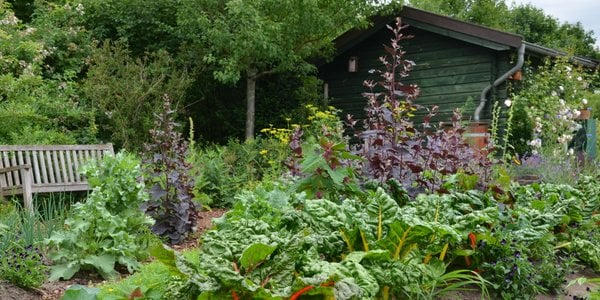
City allotment gardens in Warsaw, once easily accessible, are increasingly becoming exclusive enclaves, according to Ewa Szadkowska in Rzeczpospolita. The author describes needing a key or code to enter many of these family allotment gardens (ROD), a stark contrast to her past experiences where mothers with strollers were readily admitted. Now, she often feels scrutinized as an intruder.
Szadkowska observes a shift in both the gardens and their users. She notes that RODs, particularly those near the city center, are becoming havens for young urban dwellers who use them for barbecues and inflatable pools. Alongside these, she sees homes that increasingly resemble year-round residences rather than simple garden sheds, often surrounded by tall thuja trees and built to specifications that appear to exceed permitted limits for such locations.
While not generalizing or advocating for the elimination or privatization of these gardens for housing development, Szadkowska questions the current system. She acknowledges that allotments remain places of respite for many elderly and less affluent individuals. However, she finds it difficult to accept that some of the city's most desirable land is used by a small group for minimal cost. She appreciates the gardens' role in urban greenery and recreation but believes they should be accessible to a wider population.
The author suggests that if these prime urban spaces, which could serve as public parks, are instead semi-closed enclaves for the privileged, then municipalities' demands for high fees for perpetual usufruct are understandable. Ultimately, Szadkowska concludes that the peace, quiet, and pleasure of having one's own patch of lawn without leaving the city is a luxury, and luxuries typically come with a price.
DistantNews Editorial
Originally published by Rzeczpospolita in Polish. Translated, summarized, and contextualized by our editorial team with added local perspective. Read our editorial standards.
More Stories



From Our Blog

What Gets Lost (and Found) When News Is Translated

The Critical Role of Diaspora Media in Global News

What Travellers Should Know About Countries with Restricted Press

A Digital Nomad's Guide to Following Local News

How the Same Story Looks Different in Different Countries
