


Ex-FDA Chief Links U.S. Cyclosporiasis Outbreak to Mexican Cilantro, Parsley
Translated from Spanish, summarized and contextualized by DistantNews.
At a glance
News
Named sources
Under investigation
- An ex-FDA director suggested Mexican cilantro and parsley may be linked to a cyclosporiasis outbreak in the U.S.
- Producers and retailers have stopped sourcing produce from a central Mexican region due to the outbreak.
- The outbreak has caused thousands of confirmed and suspected cases in the U.S., with symptoms including severe diarrhea.
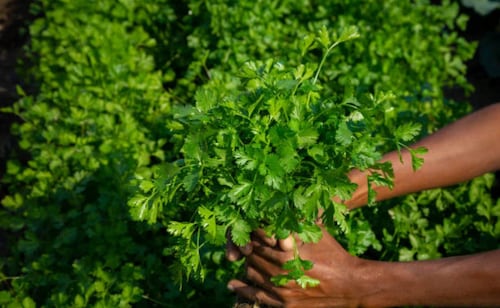
Scott Gottlieb, former director of the U.S. Food and Drug Administration (FDA), has pointed to Mexican cilantro and parsley as potential sources of the ongoing cyclosporiasis outbreak affecting the United States. He warned that producers and retailers have ceased sourcing agricultural products from a central Mexican region linked to the bacteria responsible for severe diarrhea.
Gottlieb told CNBC that several outbreak clusters, including those in the Great Lakes region, New York, and North Carolina, appear connected to parsley and cilantro possibly originating from central Mexico. However, investigators have not yet pinpointed the exact source. Initial suspicions had focused on iceberg lettuce from Taylor Farms in Guanajuato, which supplies Taco Bell, but tests on that lettuce did not detect the cyclospora bacteria.
The outbreak has led to over 4,000 confirmed cases and more than 7,000 suspected cases in the U.S. Gottlieb suggested a contamination incident may have affected multiple fields in central Mexico. Potential causes include untreated wastewater reaching growing areas via irrigation, flooding, overflow from portable toilets used by farmworkers, or a ruptured drainage channel. Investigations into the precise origin are ongoing.
Something happened in central Mexico. We don't know what yet.
In response to the potential link, some larger producers and retailers have stopped purchasing agricultural products from the affected Mexican region, fearing association with the outbreak. Much of this product is being removed from supply chains, which should mitigate some of the current risk, Gottlieb stated.
Cyclospora causes an intestinal infection primarily characterized by intense and frequent diarrhea, along with loss of appetite and weight, abdominal bloating, nausea, fatigue, low-grade fever, and vomiting. It is typically associated with consuming contaminated fruits or vegetables and is not usually transmitted person-to-person.
Much of that product is being withdrawn from supply chains, so that should mitigate some of the current risk.
DistantNews Editorial
Originally published by El Universal in Spanish. Translated, summarized, and contextualized by our editorial team with added local perspective. Read our editorial standards.
More Stories



From Our Blog

What Press Freedom Means for the News You Read

What Gets Lost (and Found) When News Is Translated

The Critical Role of Diaspora Media in Global News

What Travellers Should Know About Countries with Restricted Press

A Digital Nomad's Guide to Following Local News
