


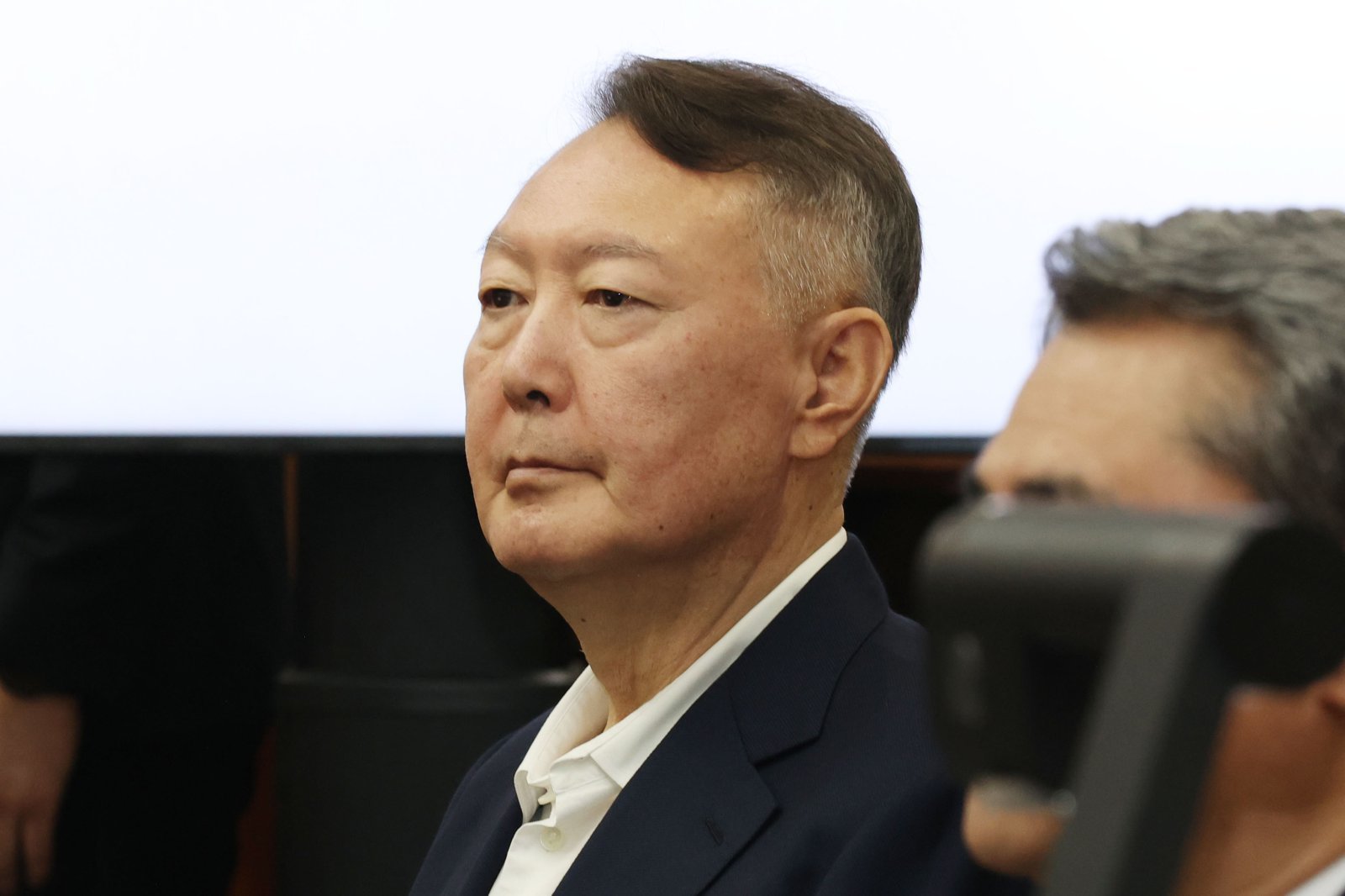
Ex-President Yoon Won't Appeal 7-Year Sentence for Obstructing Justice
Translated from Korean, summarized and contextualized by DistantNews.
At a glance
News
Sources not specified
Outcome reported
- Former South Korean President Yoon Suk-yeol will not file an appeal against his seven-year prison sentence for obstructing justice.
- His legal team stated that the appeal process is incompatible with the current South Korean judicial system and Yoon's constitutional views.
- The Supreme Court had previously upheld the seven-year sentence for charges including obstruction of official duties and abuse of power.
Former South Korean President Yoon Suk-yeol has decided not to appeal his seven-year prison sentence, which was finalized by the Supreme Court for charges including obstruction of official duties and abuse of power. His legal representatives announced on July 20th that Yoon believes the appeal process, known as a 'jaepan-won' or retrial petition, is not in harmony with South Korea's current constitutional judicial system and contradicts his consistent constitutional principles.
The retrial petition is difficult to harmonize with the judicial system prescribed by the current Constitution of the Republic of Korea, and it does not align with his consistent constitutional views.
The defense team expressed strong reservations about the Supreme Court's ruling, arguing that it largely deferred to factual findings and discretionary judgments rather than providing clear legal interpretations. They contended that the court failed in its duty to establish standards for interpreting the constitution and laws, thereby undermining legal stability. This dissatisfaction led to internal discussions about pursuing further constitutional review, including the possibility of a retrial petition, given the potential impact on the right to a fair trial and the principle of the rule of law.
The court abandoned a legal judgment and deferred most of it to the realm of factual findings and discretionary judgment, thereby dismissing the appeal.
Despite these concerns, Yoon's clear opposition to the retrial petition ultimately guided the decision. The Supreme Court's verdict, delivered on July 9th, confirmed the seven-year sentence for Yoon, marking the first judicial decision concerning him since the 1979 emergency martial law. The case has significant implications for South Korea's legal and political landscape, highlighting ongoing debates about justice and accountability.
As the highest court, it failed to fulfill its duty to present standards for the interpretation of the constitution and laws and to secure the uniformity of precedents and legal stability.
DistantNews Editorial
Originally published by Dong-A Ilbo in Korean. Translated, summarized, and contextualized by our editorial team with added local perspective. Read our editorial standards.
More Stories

From Our Blog

What Gets Lost (and Found) When News Is Translated

The Critical Role of Diaspora Media in Global News

What Travellers Should Know About Countries with Restricted Press

A Digital Nomad's Guide to Following Local News

How the Same Story Looks Different in Different Countries
