


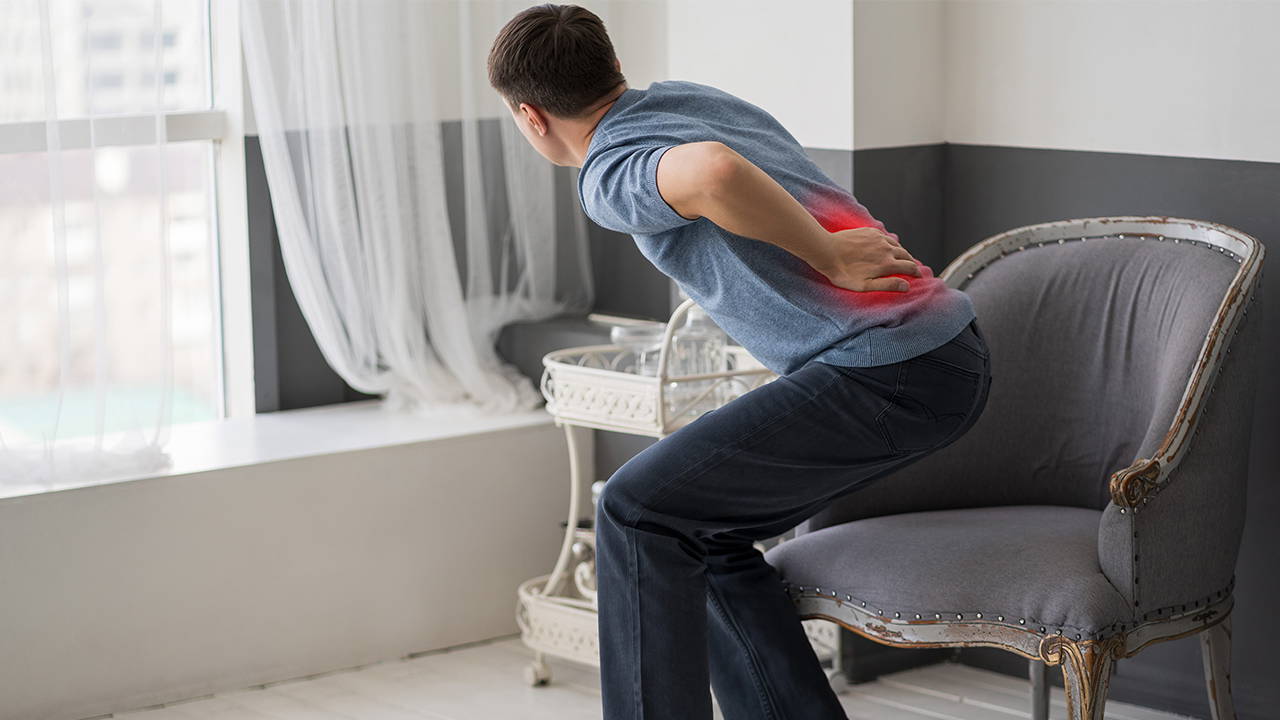
Expert warns: Desk work and inactivity can affect your breathing
Translated from Turkish, summarized and contextualized by DistantNews.
At a glance
News
Named sources
Context piece
- Poor posture habits and prolonged inactivity are significantly impacting spinal health, according to Professor Dr. Özlem Baysal.
- Common posture problems include kyphosis (hunchback), scoliosis, flattened lower back, and forward head posture due to technology use.
- These issues can lead to chronic pain, fatigue, headaches, and even reduced breathing capacity, emphasizing that posture is a quality of life matter, not just aesthetics.
Prolonged sitting and sedentary lifestyles are posing a significant threat to spinal health, with experts warning that even basic functions like breathing can be affected. Professor Dr. Özlem Baysal highlighted that incorrect daily habits and lack of movement continue to endanger the spine's well-being.
In healthy posture, the spine maintains its natural curvature, muscles work in balance, and joints are under minimum load. However, faulty habits disrupt this balance over time.
Baysal explained that posture, defined as the body's position while standing, sitting, or moving, is healthy when the spine maintains its natural curves, allowing muscles to work balanced and joints to bear minimal load. However, she noted that faulty habits disrupt this equilibrium, leading to common problems such as kyphosis (commonly known as hunchback), scoliosis (spinal curvature often seen in adolescence), a flattened lumbar curve, and forward head posture resulting from excessive technology use.
The most common problems we encounter in society include kyphosis, known as hunchback among the public; scoliosis, which is frequent in adolescence; flattened back that develops with the decrease of the lumbar curve; and forward head posture seen with technology use.
The consequences of poor posture extend beyond mere appearance. Dr. Baysal warned that individuals with postural defects often develop chronic neck, back, and lower back pain over time. They may also experience shoulder drooping, fatigue, and headaches. Alarmingly, she stated that these issues can also lead to a reduction in breathing capacity, underscoring that posture is fundamentally a matter of life quality, not just an aesthetic concern.
Posture disorder can lead to a decrease in breathing capacity. So the problem is not just an aesthetic concern, but directly a quality of life issue.
Fortunately, most postural disorders can be treated non-surgically. Dr. Baysal outlined treatment protocols focusing on physical therapy and rehabilitation, including manual therapy, electrotherapy, and muscle relaxants to restore muscle balance and alleviate pain. Crucially, posture-correcting exercises are highlighted as the most effective method. Strengthening back and core muscles, along with chest muscle stretching, can significantly improve posture when performed regularly. Practices like Pilates and functional exercises further enhance spinal stabilization. Additionally, ergonomic adjustments in the workplace, such as ensuring the computer screen is at eye level and using chairs with lumbar support, are essential.
The most effective method in treatment is posture-correcting exercises. When back muscle strengthening, core (abdominal-back area) exercises, and chest muscle stretching movements are done regularly, posture improves significantly.
DistantNews Editorial
Originally published by Cumhuriyet in Turkish. Translated, summarized, and contextualized by our editorial team with added local perspective. Read our editorial standards.
More Stories



From Our Blog

What Gets Lost (and Found) When News Is Translated

The Critical Role of Diaspora Media in Global News

What Travellers Should Know About Countries with Restricted Press

A Digital Nomad's Guide to Following Local News

How the Same Story Looks Different in Different Countries
